Early Medieval
Tintagel Castle
A dramatic clifftop ruin wrapped in Arthurian legend and real early medieval history.
Quick facts
Why this place matters
Tintagel matters because it combines myth, legend and archaeology in one extraordinary place. It reveals both the power of Arthurian stories and the reality of an important early medieval settlement.
Was Arthur here? The question helped make the site.
What it is
Historic and legendary cliff-top castle site.
Why it mattered
It mattered because some places carry both fact and story.
What you can see
Ruins, coast and Arthurian landscape.
Tintagel lives inside that tension.
What happened here
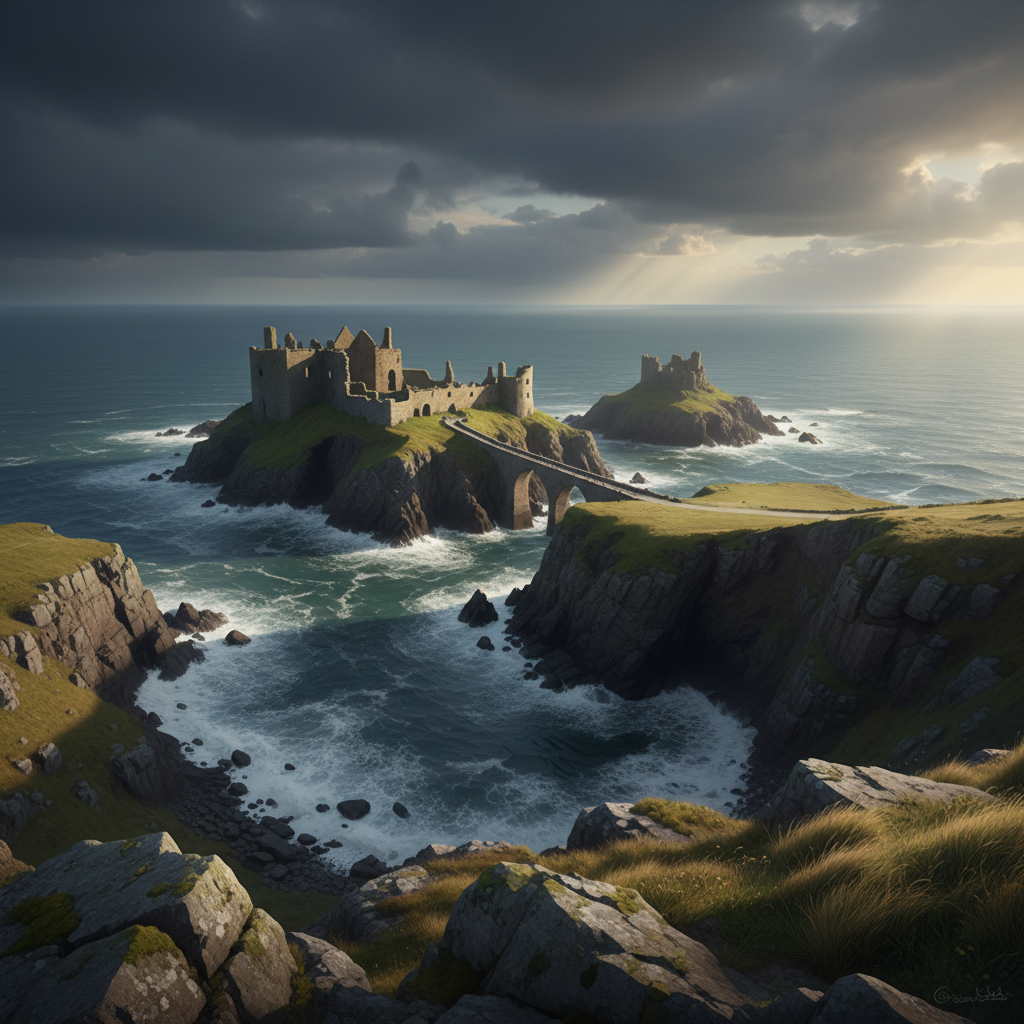
Tintagel Castle stands high on Cornwall’s north coast, divided by sea and cliffs. It is famous for its links to King Arthur, but its true history is just as fascinating.
Tintagel is best known through legend as the birthplace of King Arthur, a story popularised in medieval writings.
Archaeology has shown the site was also an important early medieval settlement, linked to trade and elite status. Finds from the Mediterranean suggest long distance trade connections.
The later medieval castle was built by Richard, Earl of Cornwall, in the 13th century, deliberately drawing on Arthurian legend to enhance prestige.
Today the ruins, archaeology and mythology combine to make Tintagel one of Cornwall’s most famous historic sites.
Key dates
Early medieval
High-status occupation
Later medieval
Castle associations grow
Modern era
Legend and archaeology interpreted
Standing here now
Standing here now, waves crash below the cliffs and the ruins cling to the rock above the sea. The place feels wild, dramatic and full of story.
What to look for
- 1Castle ruins and walls
- 2The dramatic bridge and cliff paths
- 3Sea cave known as Merlin’s Cave
- 4Views over the Atlantic coast
Landscape & wider significance
The site sits on steep cliffs above the Atlantic, connected by a narrow ridge and modern bridge. The dramatic coastal setting shapes both its defence and its legend.
Myths & folklore
Tintagel is deeply tied to Arthurian legend, including tales of Merlin, King Arthur and magical events surrounding his birth.
Visiting today
Steep paths and many steps. Managed heritage site with facilities nearby. Check weather and take care on exposed cliff edges.
Good to know
💡 Did you know?
🎯 Try this when you visit
🤔 Think about this
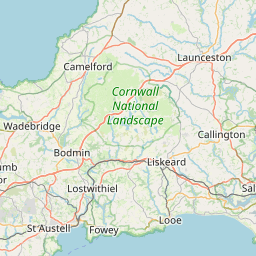
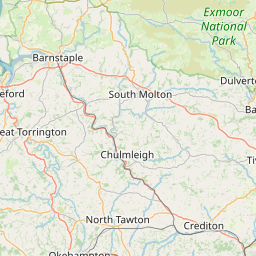
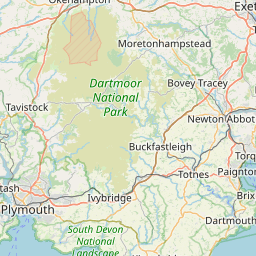
Map & Directions




Related history nearby
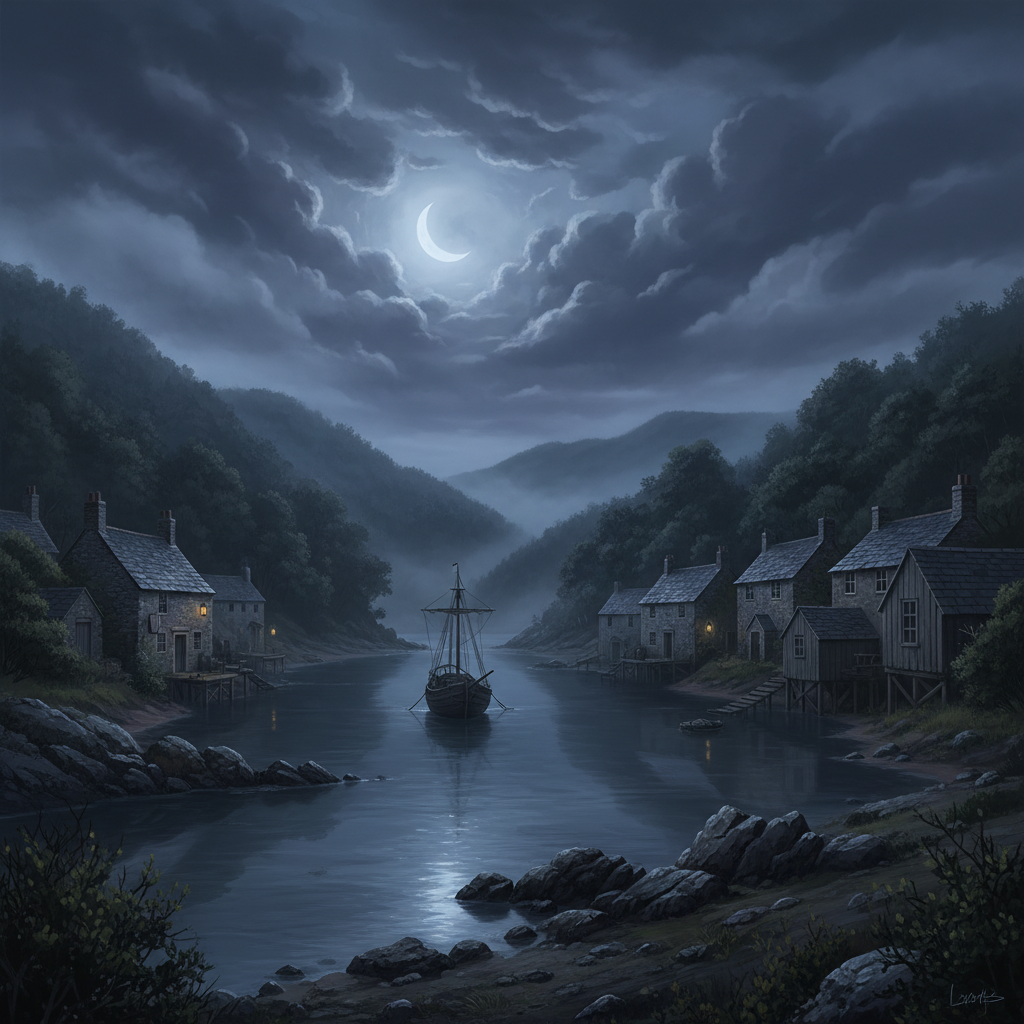
Georgian
Salcombe Smuggling
A beautiful estuary town with a hidden past of contraband cargoes, secret coves and midnight smuggling runs.
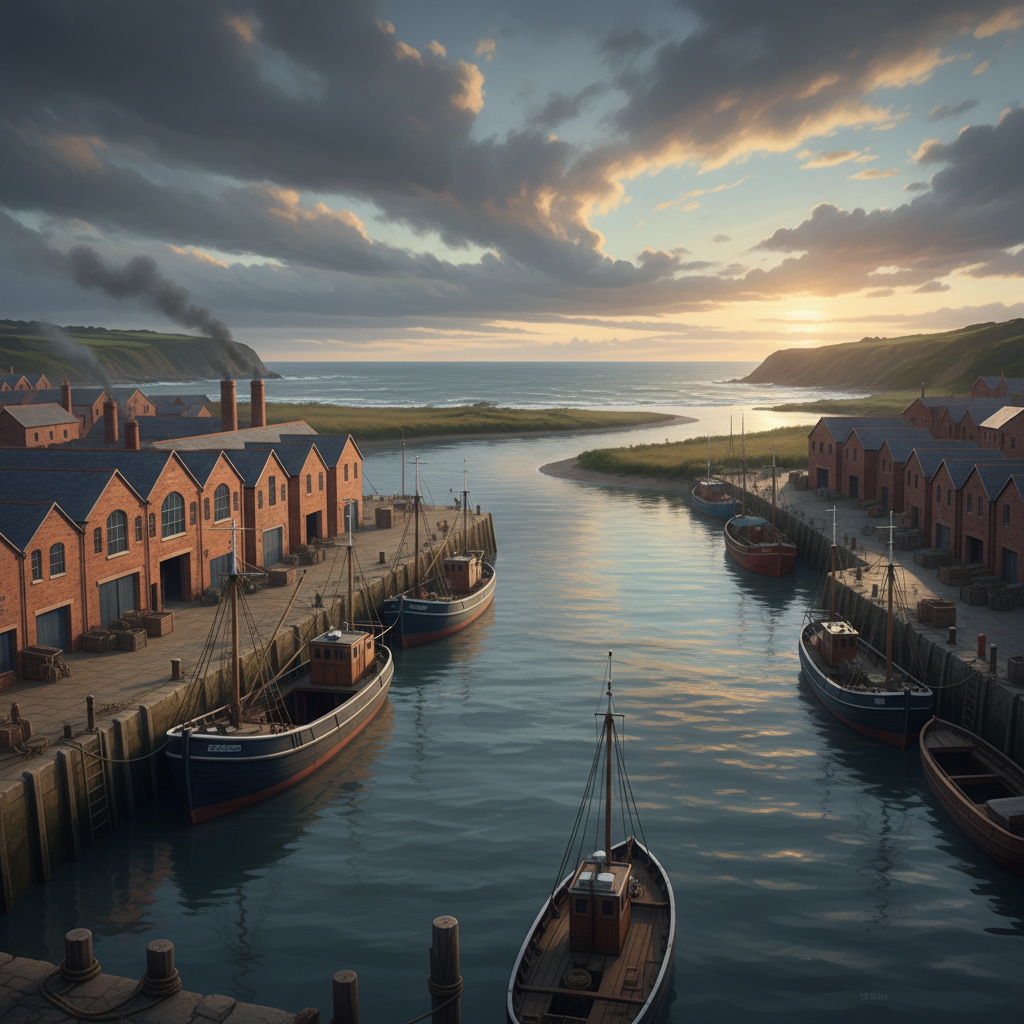
Victorian
Teignmouth Port
A historic Devon port where trade, shipbuilding and seafaring shaped the town and its place on the south coast.
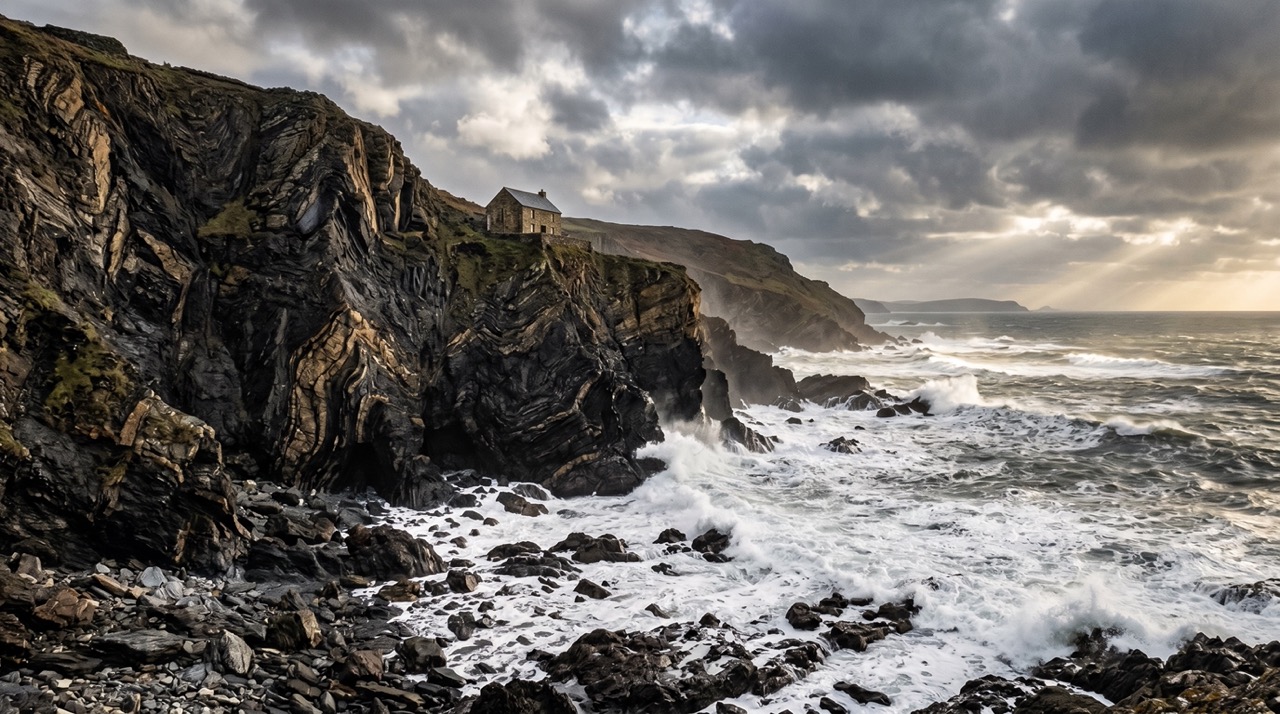
Victorian
Hartland Quay Shipwrecks
A dramatic stretch of coast where storms, rock and Atlantic force turned Hartland Quay into one of the South West’s most dangerous shipwreck shores.
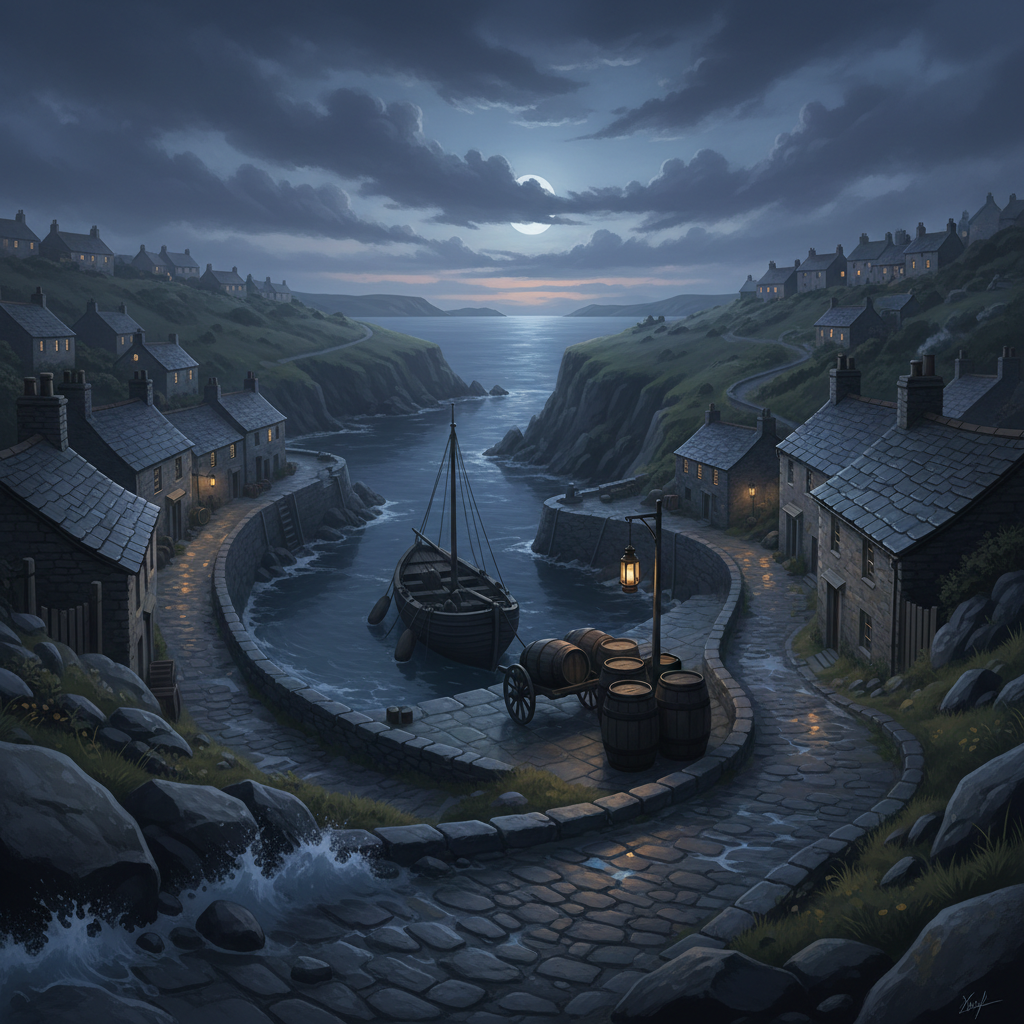
Georgian
Port Isaac Smuggling
A picturesque Cornish fishing village with a darker past of hidden cargoes, secret coves and midnight smuggling runs.
Join the 3moors Community for path conditions & local tips.
JoinNearby places
Quick facts