
Prehistoric · Exmoor
Valley of Rocks
A dramatic dry valley of jagged rock formations, wild goats and stories of giants and ancient mystery.
Quick facts
Why this place matters
The Valley of Rocks matters because it is one of the South West’s most unusual natural landscapes. Its geology, wildlife and folklore make it a place of wonder and story.
Sometimes landscape becomes monument.
What it is
Dramatic natural-cultural landscape.
Why it mattered
It mattered because not all heritage is built.
What you can see
Rock formations and extraordinary coastal setting.
This feels like one.
What happened here
The Valley of Rocks is one of Exmoor’s most striking landscapes, a deep dry valley filled with towering rock formations and famous wild goats.
The Valley of Rocks was formed by ancient geological and glacial processes, leaving a dramatic dry valley unlike most others in the South West.
Its unusual rock formations have inspired stories and attracted visitors for centuries. The valley is also famous for its herd of wild goats, which roam the cliffs and slopes.
Writers and artists have been inspired by the valley’s dramatic atmosphere. It is often linked to folklore, mystery and natural wonder.
Today it remains one of Exmoor’s most iconic landscapes.
Key dates
Prehistoric landscape
Geological form long present
Historic period
Myths and local identity develop
Modern era
Iconic landscape attraction
Standing here now
Standing here now, the jagged rocks rise sharply from the valley sides and the sea glimmers beyond. Wild goats move across impossible ledges and the place feels ancient and dramatic.
What to look for
- 1Jagged rock formations and cliffs
- 2Wild goats on the slopes
- 3Sea views and dramatic valley shape
- 4Unusual dry valley geology
Landscape & wider significance
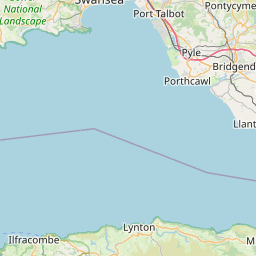
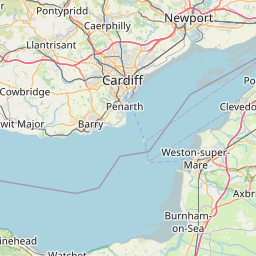
The valley lies close to the coast near Lynton, with sea views, steep slopes and striking rock outcrops creating a dramatic setting.
Myths & folklore
Stories tell of giants, spirits and strange happenings among the rocks. The dramatic shapes have long inspired imagination and legend.
Visiting today
Easy access from nearby roads and car parks. Paths can be steep or uneven. Keep distance from cliff edges and wild goats.
Good to know
💡 Did you know?
🎯 Try this when you visit
🤔 Think about this
Map & Directions


Related history nearby
Medieval
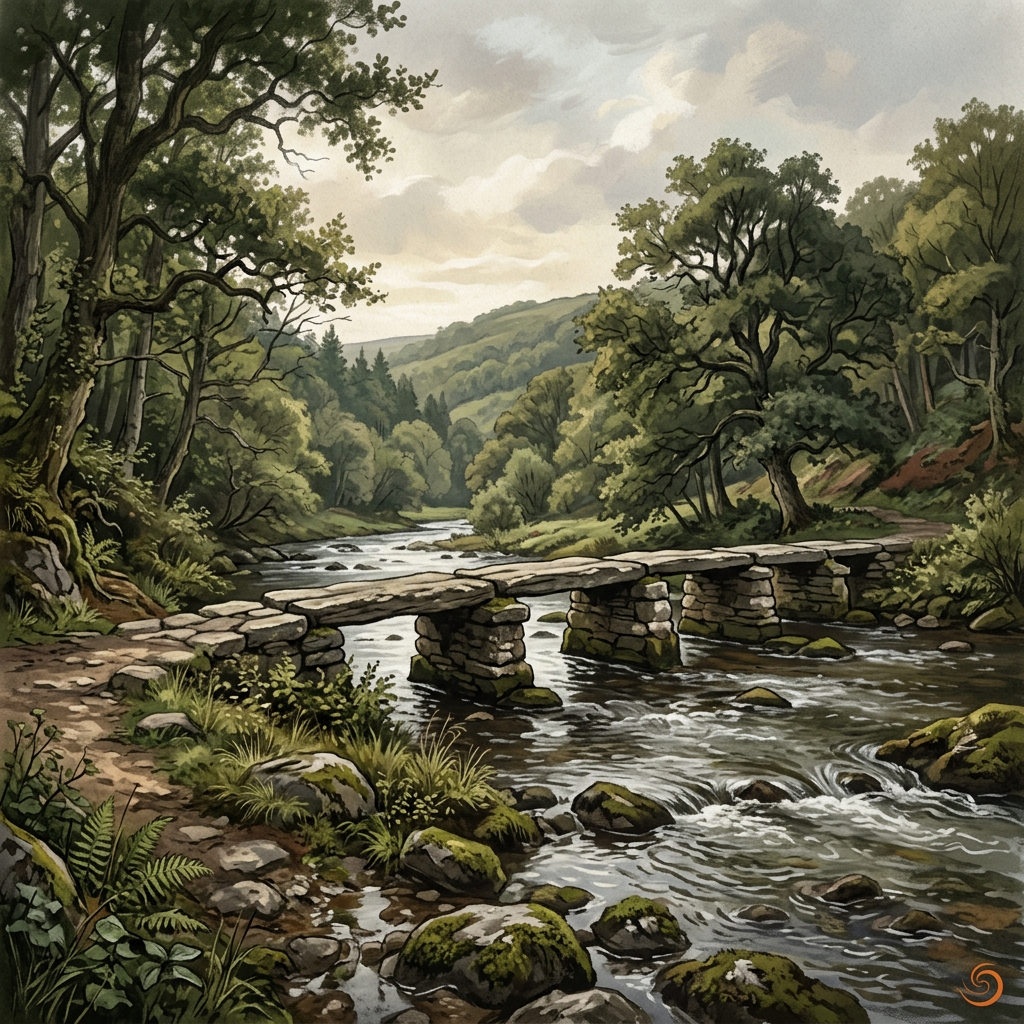
Tarr Steps
An ancient river crossing where stone, water and time meet in one of Exmoor’s most memorable landscapes.
Prehistoric
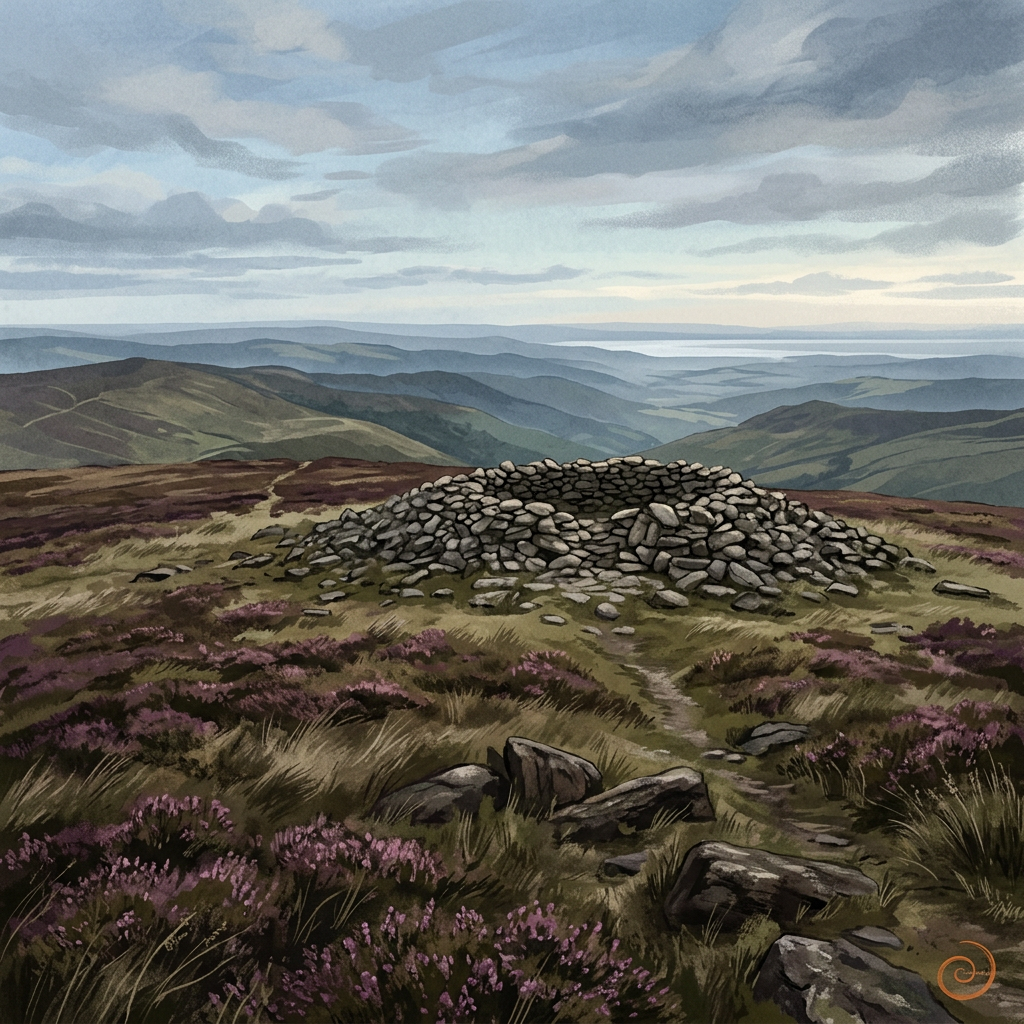
Dunkery Beacon
Exmoor’s highest point is more than a viewpoint — a place of deep time and wide horizons.
Georgian
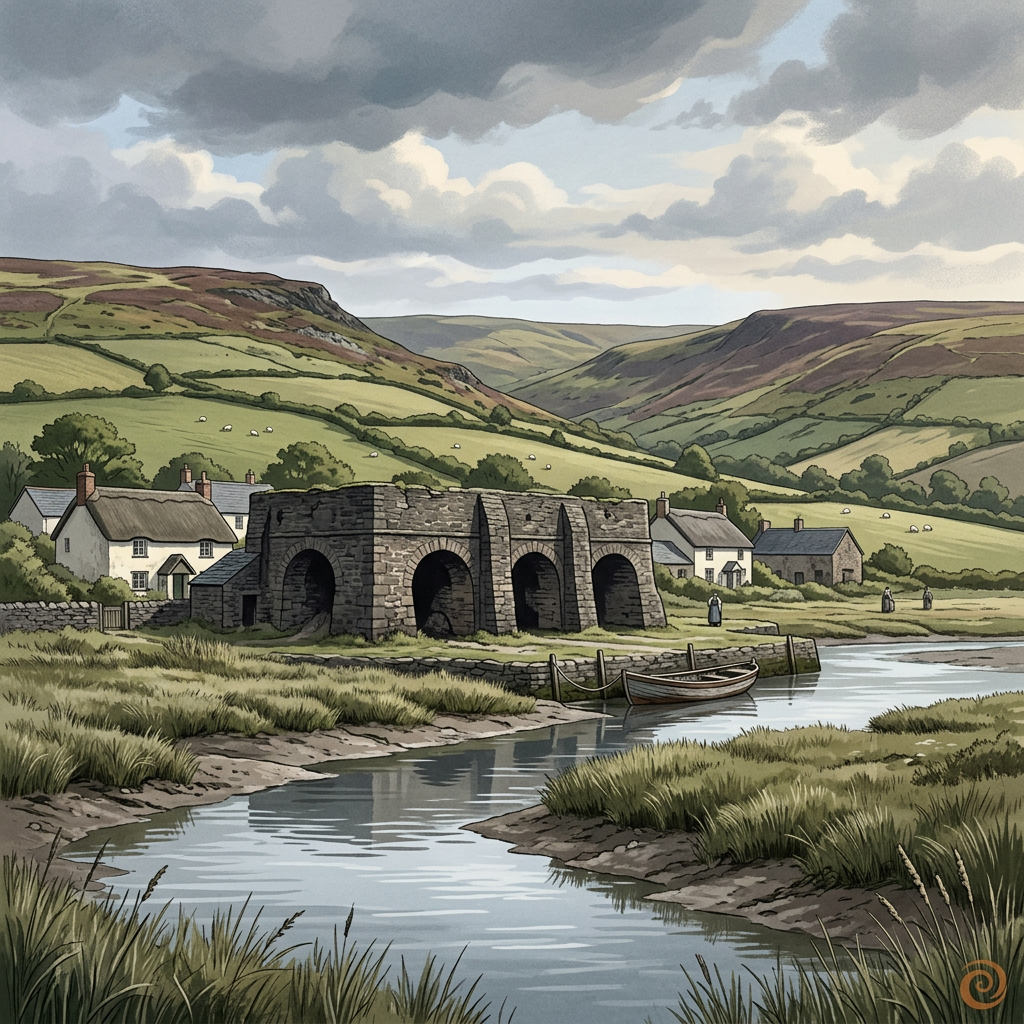
Bossington Lime Kilns
Weathered kiln remains on the edge of Porlock Bay, where coastal industry once helped shape farming and building across the Exmoor fringe.
Prehistoric
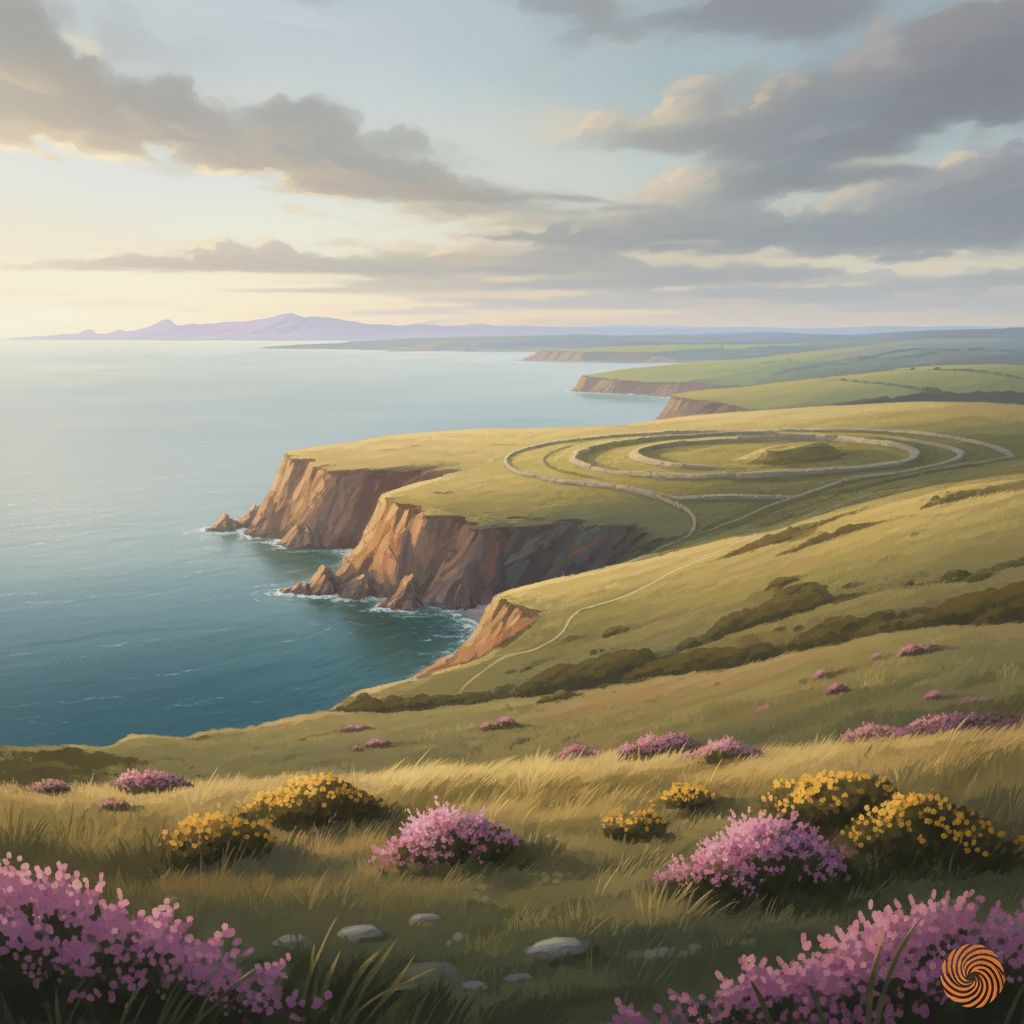
Selworthy Beacon
A prominent hilltop on Exmoor with prehistoric origins, commanding views and long evidence of human use as lookout, marker and ritual landscape.
Join the 3moors Community for path conditions & local tips.
JoinNearby places
Quick facts