Neolithic · Bodmin
Zennor Quoit
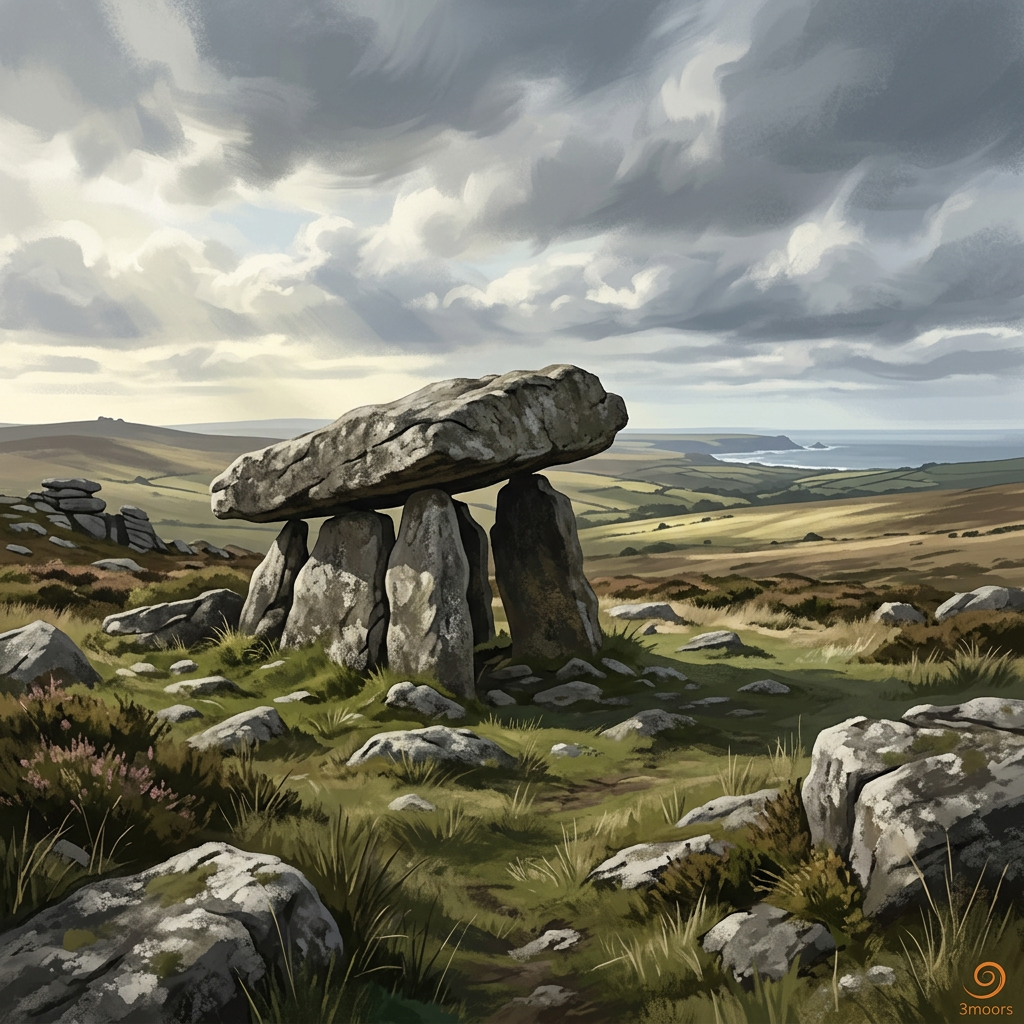
A striking Neolithic portal tomb above the north Cornish coast, where massive stones still hold the shape of a much older ritual landscape.
Quick facts
Why this place matters
Zennor Quoit matters because it preserves one of Cornwall’s great megalithic tomb forms, showing how deep prehistory still shapes the western landscape.
Huge stones were raised here thousands of years before metal tools became common.
What it is
Zennor Quoit is a Neolithic stone-built portal tomb.
Why it mattered
It mattered because this was a tomb built to hold memory in stone.
What you can see
Its capstone, supporting stones and exposed setting above the coast.
The older a monument gets, the more stubbornly physical it can feel.
What happened here
Zennor Quoit is a Neolithic portal tomb, part of a burial tradition that used massive stones to create monuments of memory, ceremony and presence.
Even in partial survival, the monument still carries enormous force. The weight of the capstone and the exposed position make clear that this was not casual construction.
Sites like this belong to a much older Cornwall than villages, churches or mines. They come from a world in which burial, ancestry and landscape were tied together through stone.
That age is exactly why the quoit feels so concentrated: simple in form, but impossibly distant in origin.
Key dates
Neolithic
Portal tomb established
Later prehistoric periods
Monument remains part of an ancient landscape
Modern era
Site protected as an important prehistoric monument
Standing here now
The quoit seems both delicate and immovable. That tension is part of its power.
What to look for
Large capstone and uprights
Portal tomb structure
Open upland setting above the coast
Views toward surrounding ancient landscape
Landscape & wider significance
The quoit stands in open country above the north coast, where sea, sky and stone combine in a way that feels intensely West Penwith.
Its setting helps explain why these monuments were made to last and to be seen.
Visiting today
Access involves walking over uneven ground. Good footwear helps. Treat the monument gently and avoid climbing on the stones.
Good to know
💡 Did you know?
🎯 Try this when you visit
🤔 Think about this
Map & Directions

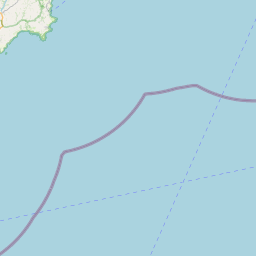


Related history nearby
Bronze Age
Rocky Valley Carvings: Enigmatic Labyrinths by the Waterfall
Deep within a secluded Cornish gorge, two enigmatic labyrinth carvings are etched into the dark, wet slate of Rocky Valley. Their mysterious age – whether truly ancient or later creations – offers a tangible, silent puzzle that unfolds beside the constant rush of the River Trevillet.
Bronze Age
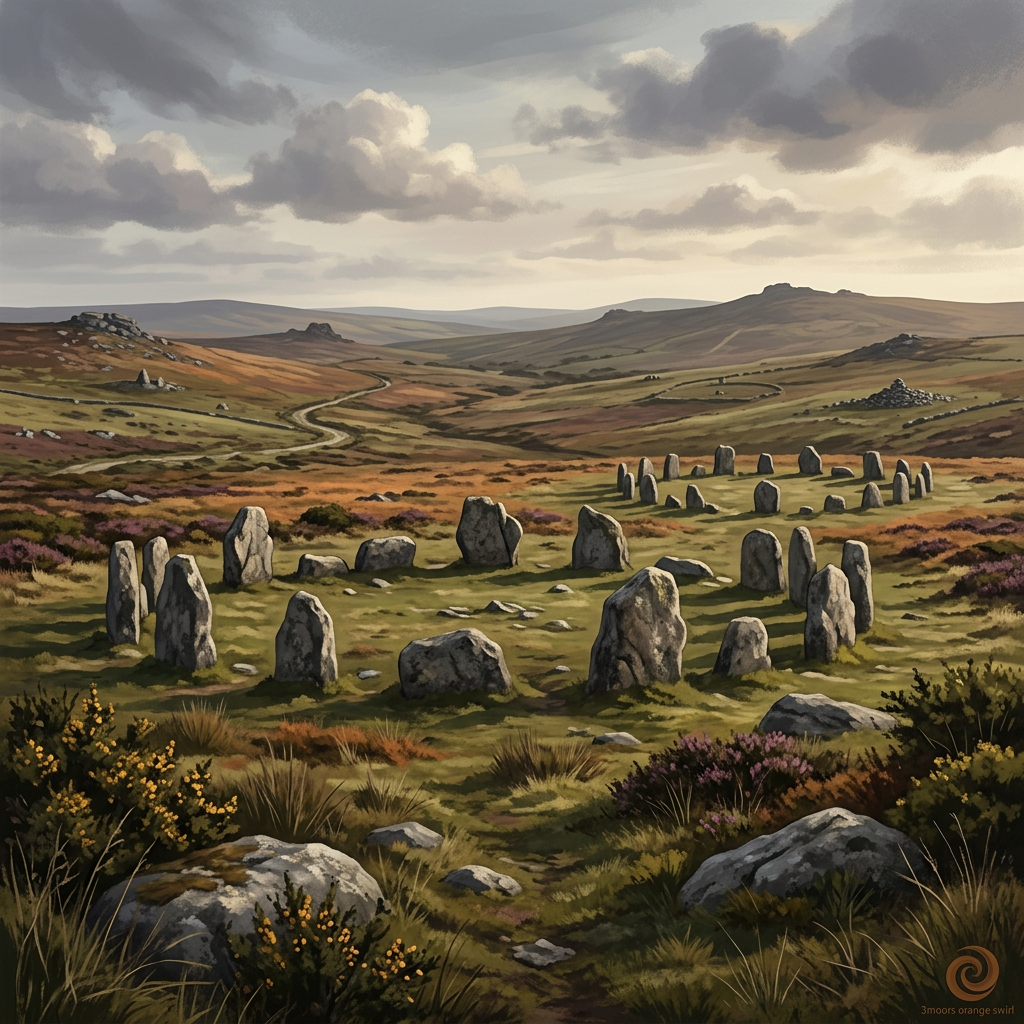
The Hurlers
Three remarkable stone circles on Bodmin Moor, where archaeology and folklore stand side by side.
Industrial
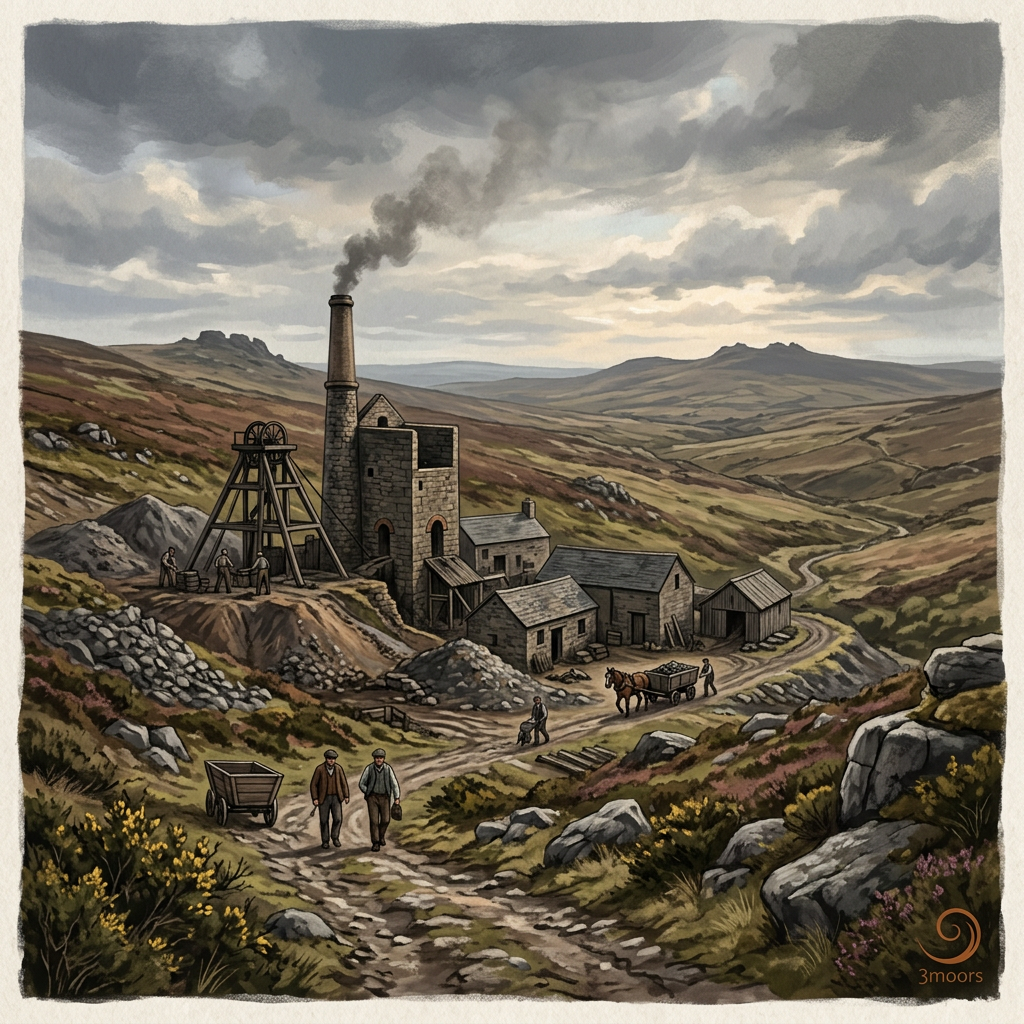
Prince of Wales Mine
A compact but important surviving Cornish mining site where industrial history remains visible on the ground.
Industrial
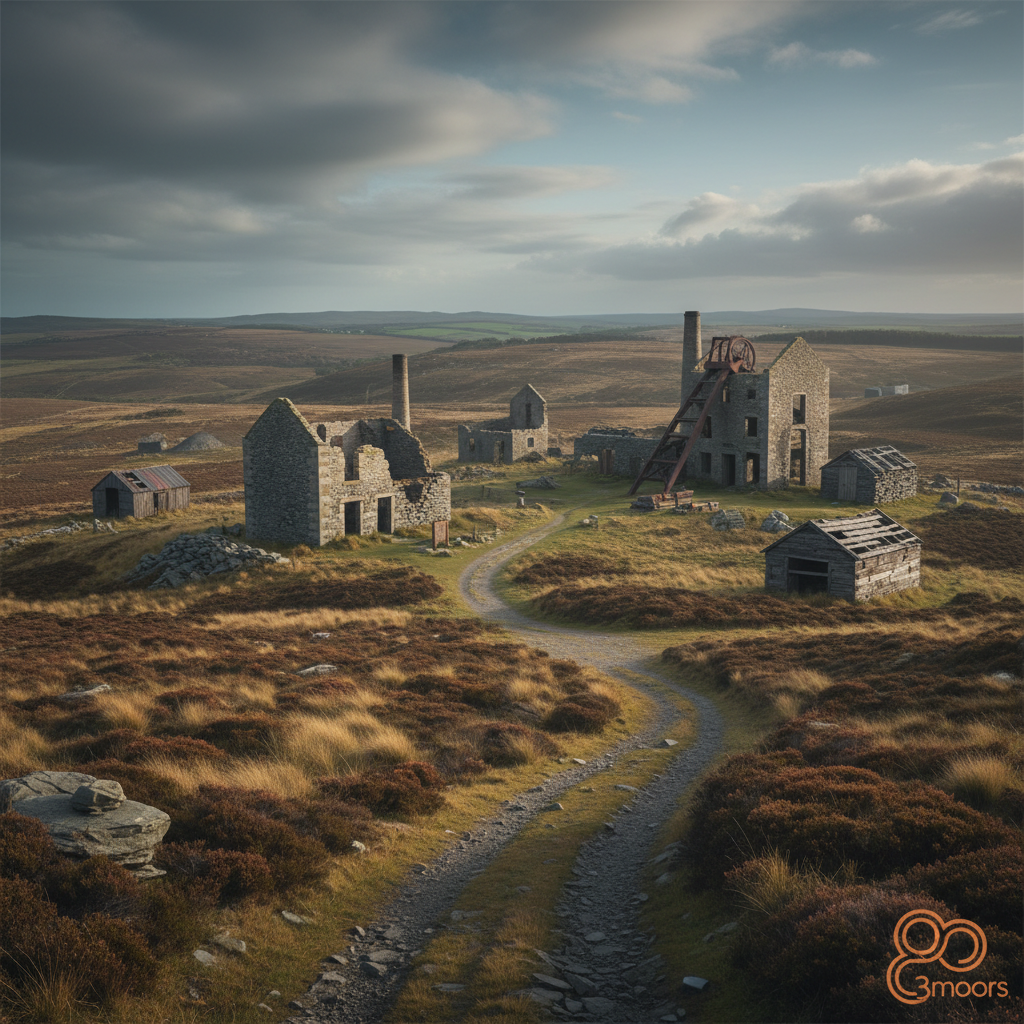
Wheal Coates
One of Cornwall’s most dramatic mining landscapes, where engine houses still stand above the Atlantic cliffs.
Join the 3moors Community for path conditions & local tips.
JoinNearby places
Quick facts