
Exmoor · North Devon coast
Ilfracombe
A dramatic harbour town surrounded by cliffs, coves and access to the South West Coast Path.
About
Ilfracombe
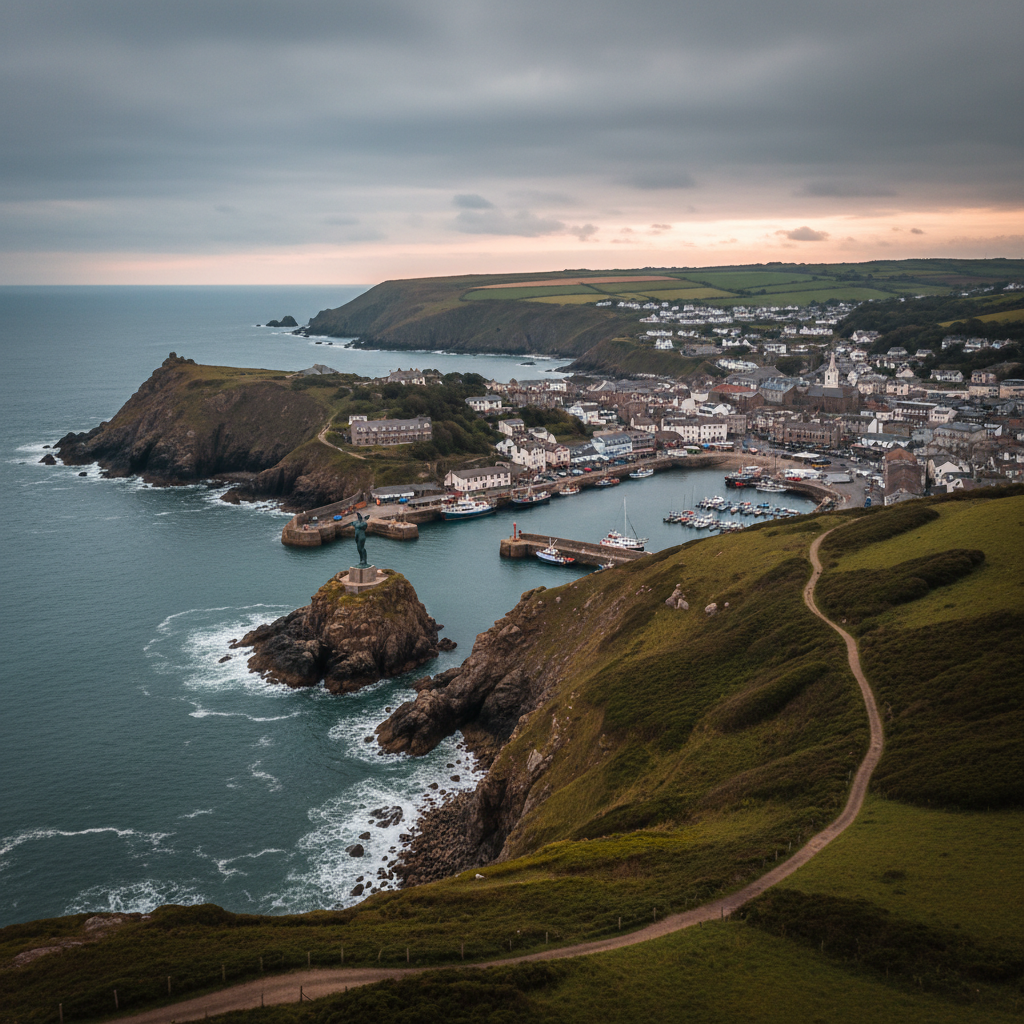
Ilfracombe sits at the point where the hills of Exmoor's western edge meet the Bristol Channel, its harbour scooped into a narrow cleft between steep headlands on Devon's north coast. It is not a place you drift through: the topography alone makes it a destination, a full stop at the end of a road that has climbed and twisted down through combes and farmland to arrive here, at the water. The town rises steeply from the quayside, its terraces and Victorian boarding houses stacked against the hillside as if trying to hold their ground against the sea.
For much of its history, Ilfracombe has been a place of arrivals and departures. Before the railway reached north Devon in the 1870s, the paddle steamers were the main connection to the wider world, carrying visitors from Bristol and South Wales across the channel. That sense of the harbour as a threshold, a place where journeys begin and end rather than simply pause, is still present in the way the town organises itself: everything faces the water, everything leads back to the quay.
People come here for the coast path, for the harbour, for the particular quality of light off the channel in the early morning, and for the coves and headlands that make this stretch of coast consistently more dramatic than visitors sometimes expect. It is a working harbour town with a complicated Victorian legacy: grand hotels alongside amusement arcades, a fishing fleet alongside pleasure craft. That layering is part of its character, not a problem to be solved.
Character
The feel of Ilfracombe
The harbour at Ilfracombe is tidal in a way that actually matters. The Bristol Channel has one of the highest tidal ranges in the world, and its effects here are visible and constant: at low tide the harbour floor is exposed, boats list on their keels in the mud, and the smell of salt, weed, and the channel's particular grey silt drifts up through the town. At high tide the water fills the inner basin to the quay walls and the whole place feels buoyant, expectant, as though something is about to happen.
The tides set the rhythm of the day in a way that is still practical rather than merely picturesque. Fishing boats work to the water's schedule. The activity on the quayside shifts accordingly: quiet and purposeful at low water, busier and more social when the boats are afloat and the water is close. Sitting above the harbour on the Capstone Hill path at the turn of the tide, you can watch the channel fill from the west, the water taking on a different colour as the depth increases from grey-green to a heavier, darker tone.
The town itself is uneven and interesting in the way that places built before cars tend to be. The streets above the harbour are narrow and sometimes stepped, and the Victorian quarter along the seafront retains a faded grandeur that suits the place well. Ilfracombe has never quite decided whether it is a resort or a working town, and the result is a texture that rewards a patient eye: painted shop fronts next to boat repair yards, a fisherman's chapel overlooking a car park, Damien Hirst's outsized bronze Verity standing at the harbour entrance with her sword raised towards the channel.
First-hand visit
Keith's Take
A herring gull cleared the harbour wall in a single movement and I found myself staying longer than I had planned.
A single crab pot, orange-roped and salt-bleached, sitting on the quay wall with no one attending to it. That is what stayed with me. Not the Verity statue, not the view from Capstone Hill, not the channel in the morning light: a crab pot, left there as though it had always been there, as though the rest of the harbour had been arranged around it.
There is a particular quality to the inner harbour at Ilfracombe that is hard to account for in the usual terms. It is not beautiful in any arranged sense, and it does not invite the kind of photography that flattens a place into a postcard. It invites attention instead: to the way the water moves against the stone of the harbour walls, to the sound of something metallic shifting on a boat deck across the basin, to the texture of the quay itself, which is worn into a particular smoothness at the point where fishermen have stood for a long time.
I sat on the harbour wall for a while after the morning activity had settled. The tide was making, slowly and without fuss, filling the basin by degrees. A small boat that had been listing slightly to port gradually righted itself as the water came up under the keel. Nobody was watching this except me. That is, I suspect, fairly often the case here.
Keith's Take — a first-hand account from the 3moors team
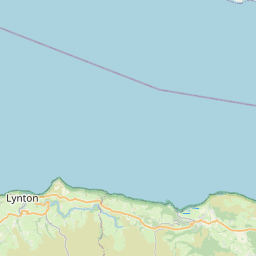
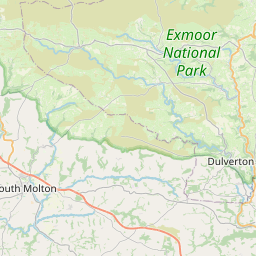
Map & Getting Here
Getting to Ilfracombe





What to expect
A natural way to spend time here
The town unfolds downhill towards the water. Coming in from the main approach road you pass through the Victorian commercial streets before the harbour reveals itself below, framed between the harbour walls, with the hills of Capstone and Hillsborough rising on either side. The scale of the surrounding topography is the first thing that registers: this is a small harbour in a large landscape.
At the quayside the sounds are a mixture of the practical and the ambient: ropes moving against cleats, herring gulls working the air above the fish market, the low diesel note of a boat leaving the harbour mouth. In summer the smell of fresh crab mingles with engine oil and the background salt of the channel. These are not curated details
they are the residue of a harbour that still works.
The best way to spend time here is unhurried and without a fixed itinerary. Walk the pier to the harbour mouth, sit for a while, then take the path up to Capstone Hill before the light changes. Ilfracombe rewards a measured pace and a willingness to double back: the view from the top of the hill down to the harbour is quite different from the view at water level, and the town reads differently from each elevation.
What makes it stand out
What makes Ilfracombe special
What separates Ilfracombe from the more polished harbour towns along Devon and Cornwall's southern coast is its relationship with genuinely open water. The Bristol Channel here is not sheltered estuary or protected bay
it is an exposed, powerful, sometimes hostile stretch of sea with strong tidal races and a horizon that on clear days shows the dark line of the Welsh coast. This gives the harbour a functional seriousness that you do not find in places built primarily for visitors. The boats that work out of here are not there for decoration.
The second quality is the headlands. Hillsborough to the east and Capstone Hill to the west are both accessible on foot from the town centre, and both rise steeply enough to offer views along the coast that are entirely disproportionate to the effort required to reach them. From the top of Hillsborough on a clear day you can see as far as Foreland Point and the western edge of Exmoor's coastal fringe. This proximity of genuinely wild, exposed coastal landscape to the centre of a functioning town is unusual, and it means that the transition from harbour to headland takes less than fifteen minutes on foot.
Don't miss
Things to see and do
Walk the full length of the pier to the harbour mouth and look back at the town against the headlands.
Climb Capstone Hill from the seafront path for a view along the coast that takes in both headlands at once.
Find the Holy Trinity church of St Nicholas on Lantern Hill, a lighthouse chapel that has guided ships into the harbour for centuries.
Watch the tide turn from the upper quayside wall, and notice how the light on the channel shifts as the depth changes.
Take the coast path east towards Watermouth, where the cliffs steepen and the path narrows above the channel.
Stand on the harbour wall near the Verity statue in early morning before the town is fully awake.
Look into the rock pools on the foreshore at low tide between the harbour and the Tunnels Beaches.
Cross through the Victorian sea tunnels to the Tunnels Beaches and watch how the light enters the rock cut as the day moves.
Walks from here
Getting out from Ilfracombe
The South West Coast Path runs through the town in both directions and is accessible from the harbour without a car. Heading east, the path climbs steeply past Hillsborough and continues along a high, exposed stretch of cliff towards Combe Martin, roughly four miles distant. The terrain is demanding in places but the views back over the channel are sustained throughout. This section of the path sees far less foot traffic than the more visited stretches further south, which makes it a more considered and independent experience.
Westward from the harbour, the coast path takes in Capstone Hill before dropping to Lee Bay, a small cove set between wooded slopes that feels considerably more secluded than its proximity to Ilfracombe might suggest. The round trip to Lee Bay and back is manageable in two to three hours and passes through a range of coastal habitats, from the gorse and exposed turf of the headland to the sheltered deciduous woodland above the bay. Further west still, the path continues towards Bull Point and the lighthouse, a longer day's walking that gives a proper sense of this coast's character.
Good to know
Before you go
Summer weekends concentrate visitors heavily around the harbour and the Tunnels Beaches, and parking in the town centre becomes difficult by late morning. Arriving before nine or after five gives a materially different experience of the quayside. The coast path sections east and west of the town are busy in July and August but rarely crowded by the standards of the south Devon coast.
The tidal range here means that timings genuinely matter for certain activities. Rock pooling on the foreshore, access to the lower harbour, and the character of the inner basin all depend on the state of the tide. Checking a tide table before visiting is not over-preparation
it is the difference between arriving to full water or exposed mud. The Harbour Master's office posts tide times, and any local chandlery will confirm them.
Across the seasons: Ilfracombe in late spring, from mid-April through May, occupies a particular register: the town is not yet in summer mode, the light over the channel is clear and often sharp, and the coast path is accessible without the compression of peak season. The wildflowers on the headland path above Hillsborough are at their best in late April and the sea campion on the cliff edges is often flowering before the first bank holiday crowds arrive. Mid-summer brings reliable activity around the harbour but also the town's more crowded, noisier version of itself. This is not a reason to avoid it, but it is a different experience: the quayside is busier, the boat trips are running, and the Tunnels Beaches are at their most animated. For those who want the harbour in its working rather than festive mode, early July mornings before eight o'clock still deliver something close to the off-season character. Autumn, from late September into October, is arguably the most atmospheric time on this stretch of coast. The channel shifts colour as the light angle drops, the summer visitors recede, and the fishing fleet becomes more prominent again. On still days in October the views from Capstone Hill across to Wales carry a particular clarity, and the town at this time of year operates at a pace that suits it. Winter visits are for the committed, but the harbour in a north-westerly swell is an education in what this coastline is actually like.
Local weather
Weather near Ilfracombe
Overcast
Today
Met Office forecast · updated every 30 min
Practical info
Practical info
Ilfracombe has several pay-and-display car parks, with the Hillsborough and Cairn Hill car parks offering the most convenient access to the harbour area. On summer weekends these fill early, often before mid-morning, so arriving before 9am makes a significant difference. Street parking in the town centre is limited and subject to restrictions that are not always clearly signed. If the main car parks are full, there are further options on the higher ground above town, though the walk down involves a noticeable gradient.
The harbour area and town centre have public toilets, cafes, and a reasonable range of independent shops. Several pubs and restaurants are open year-round, though opening hours narrow considerably outside the summer season. There are no formal visitor centre facilities at the harbour itself. Those heading out onto the coast path should carry food and water, as once you leave the town behind, facilities are absent for long stretches in either direction.
The harbour and quayside are flat and accessible on foot, but Ilfracombe sits among steep terrain and the surrounding coast path involves significant climbs. The ascent to Hillsborough or the path west towards Hele and Combe Martin both gain height quickly and include uneven, sometimes rocky surfaces. In wet weather the coast path becomes slippery in places, particularly on the exposed headlands where the ground is grassy and the gradient steep. Sturdy footwear is worth bringing even if the harbour itself is the main destination.
varies
Explore nearby
Places nearby
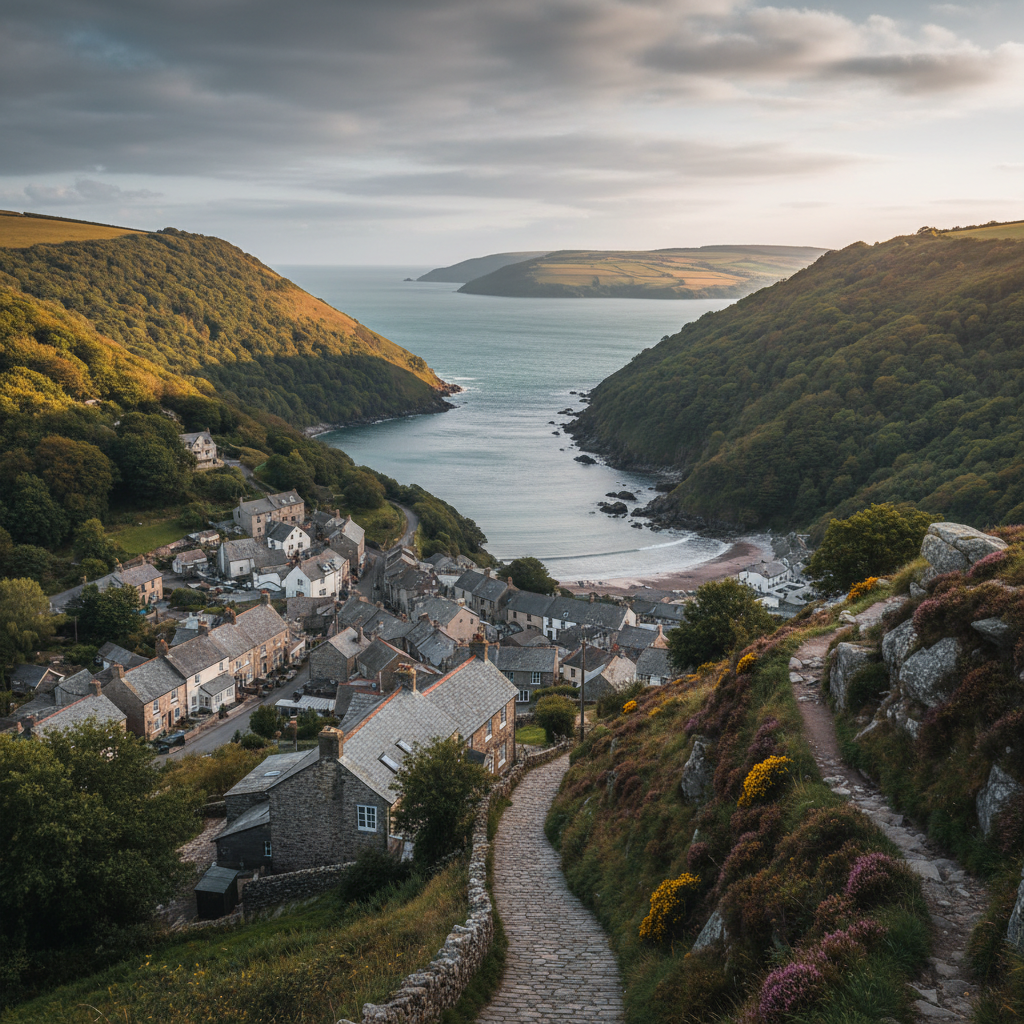
Combe Martin
A useful base for combining beach time, cliff walks and Exmoor exploration.
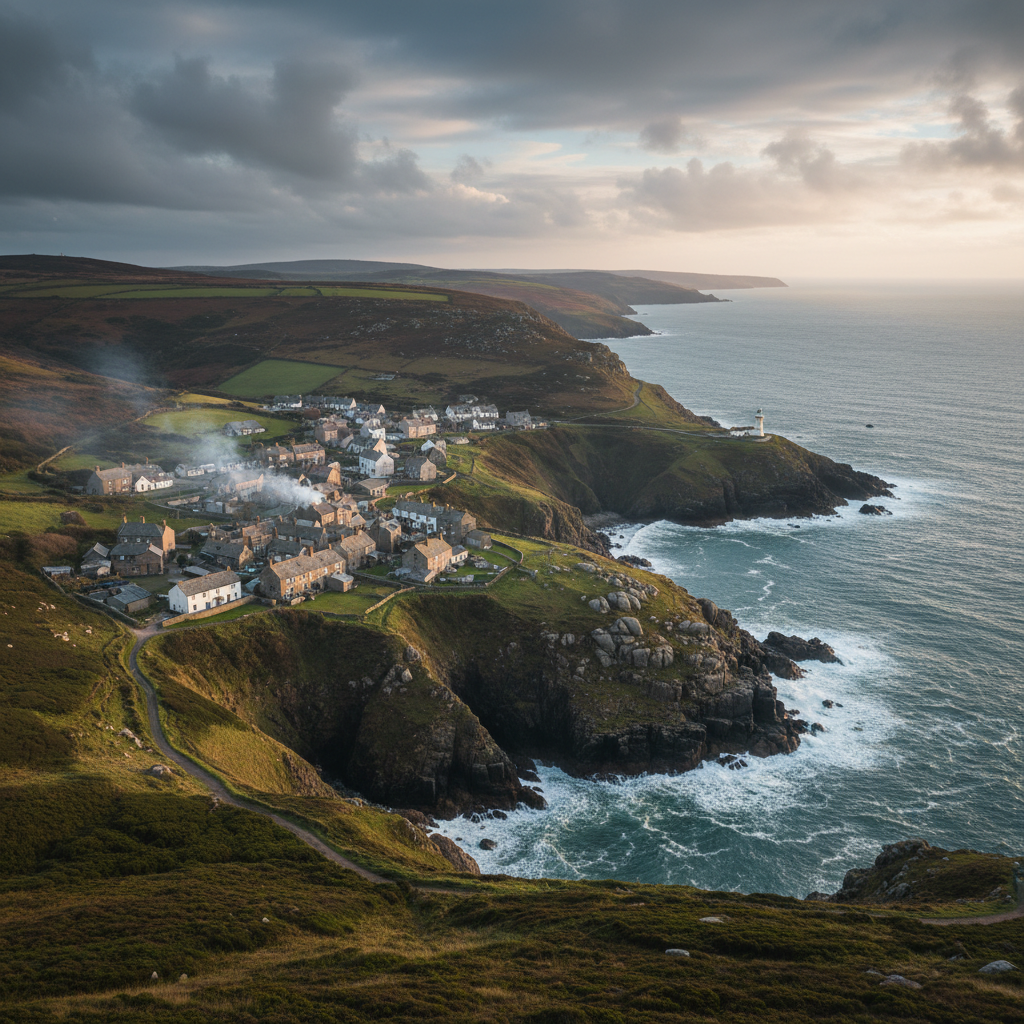
Hartland
Hartland offers dramatic cliff scenery, isolation and strong Atlantic atmosphere.
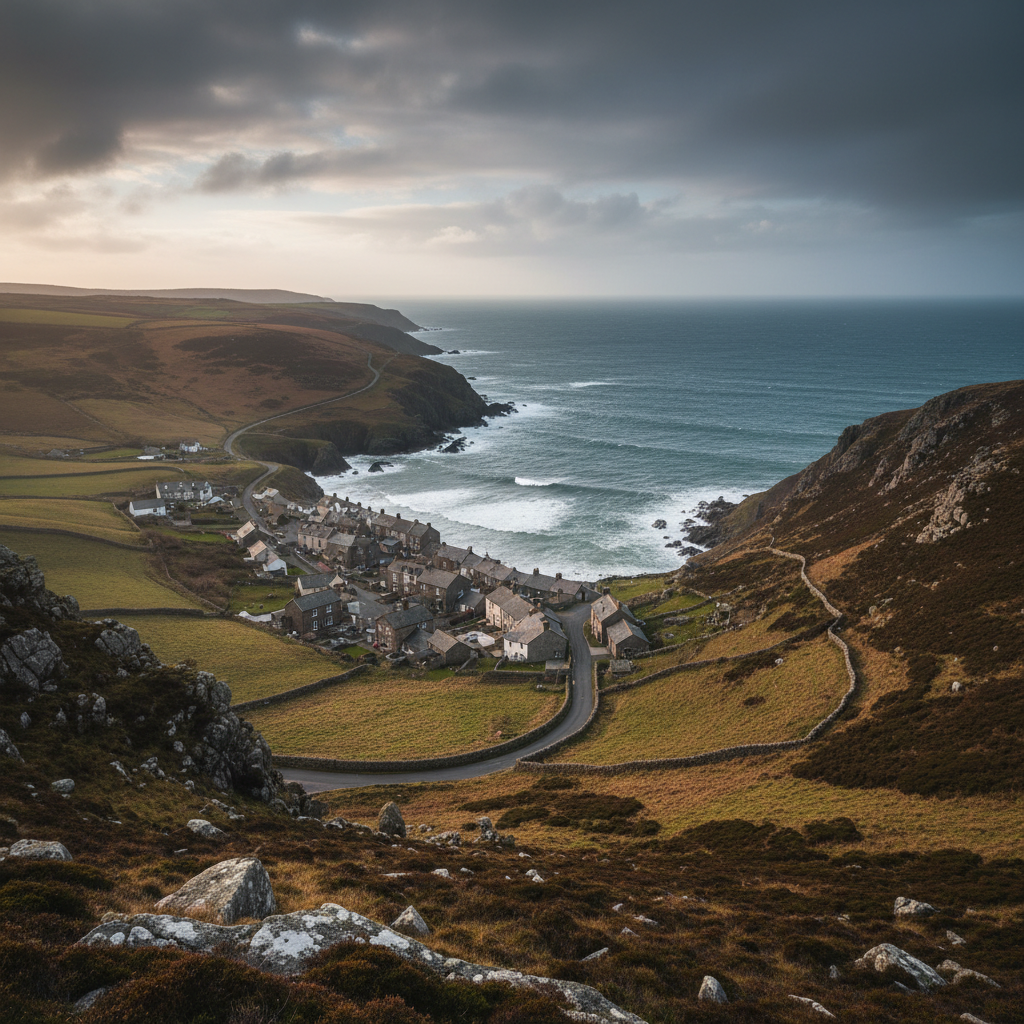
Hartland
Hartland offers dramatic cliff scenery, isolation and strong Atlantic atmosphere.
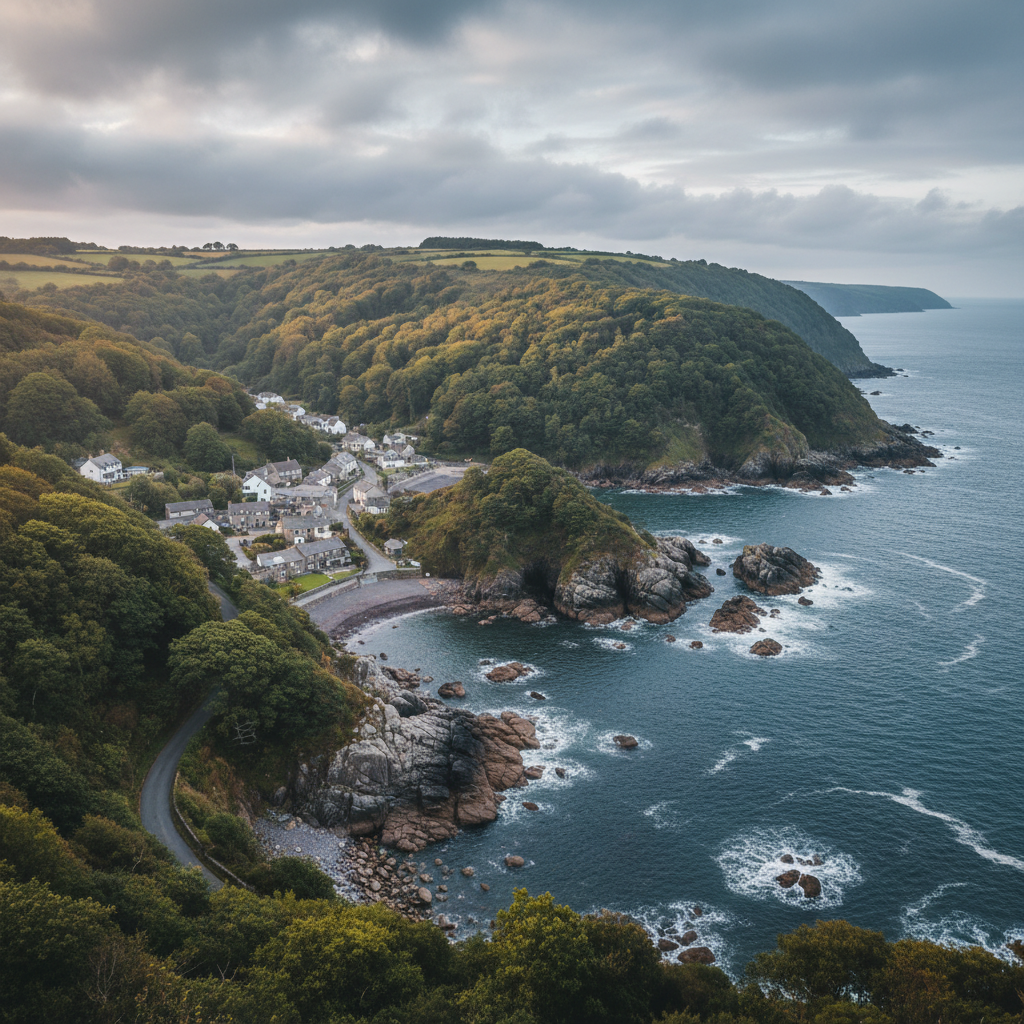
Lee Bay
Lee Bay feels sheltered, hidden and quieter than many North Devon coastal spots.
Join the 3moors Community for path conditions & local tips.
JoinWhy this place matters
Ilfracombe — in its own right
There is a particular kind of traveller who is drawn to places that do not try too hard to present themselves. Ilfracombe is honest about its contradictions: it is a Victorian resort that never quite became what it aimed for, a working harbour that has gradually acquired a layer of tourism without fully surrendering to it. That incompleteness is part of what makes it worth returning to. The broader invitation here is to explore rather than to consume. The coast path in both directions, the headlands above the town, the coves that require a walk to reach: none of these will be handed to you by a visitor information board. They are there to be found, at your own pace, on a route that you work out from the harbour as your starting point. That is the kind of place Ilfracombe is: a base for exploration, a harbour in the older sense of the word.