Medieval · Dartmoor
Brentor Church
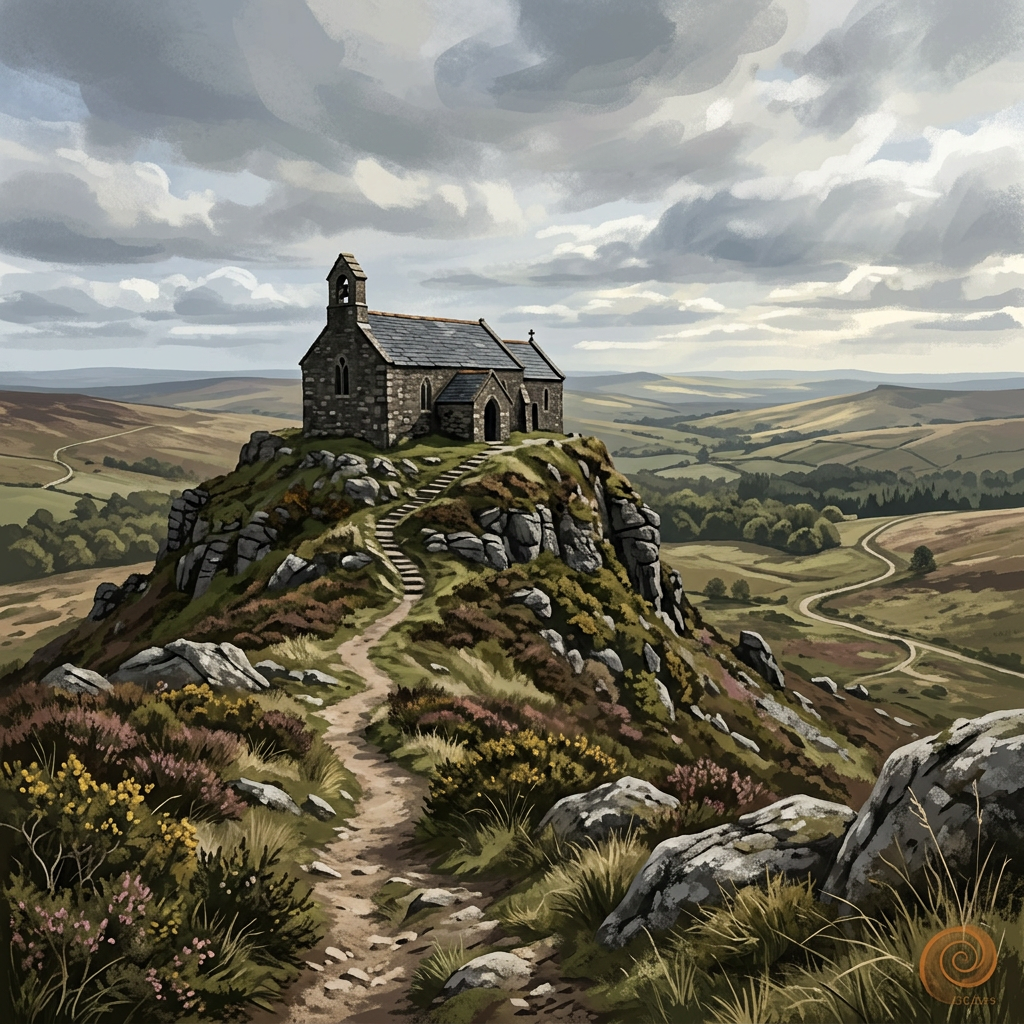
A tiny hilltop church crowning Brent Tor, where Christian worship, older earthworks and raw Dartmoor-edge drama meet in one unforgettable site.
Quick facts
Why this place matters
Brentor Church matters because it is one of the South West’s most distinctive sacred sites: a medieval church set on a volcanic tor above the western edge of Dartmoor.
A tiny church on top of a tor should not look this dramatic. But that is exactly why nobody forgets it.
What it is
Brentor Church is a medieval hilltop church built on the summit of Brent Tor.
Why it mattered
It mattered because this hilltop became both a sacred place and a landmark visible for miles.
What you can see
The church itself, the tor, distant views and traces of older earthworks around the hill.
Some churches belong to a village. This one belongs to the skyline.
What happened here
The church of St Michael de Rupe stands on Brent Tor, a remarkable isolated hill on Dartmoor’s western edge. Its position makes it one of the most memorable churches in Devon.
The building has medieval origins and later rebuilding, but the site feels older than the surviving walls. Earthworks around the tor point to earlier defensive use, showing that this hill mattered long before the present church took shape.
As with many dramatic sacred sites, story and place have fused together. Legends tell of divine rescue, storms and vows fulfilled, helping explain why the church feels so much larger than its size.
Its real power lies in the way faith, topography and memory all share the same summit.
Key dates
12th century
Church traditionally linked to early medieval foundations
1319
Major rebuilding associated with Tavistock Abbey
19th century
Restoration work carried out
Today
Still used and preserved as a landmark church
Standing here now
The church seems almost impossible from below. Then you reach the top and realise that its whole purpose is to stand against sky and weather.
What to look for
St Michael de Rupe church
The steep tor itself
Wide views over West Devon and Dartmoor
Earthwork traces around the hill
Landscape & wider significance
Brent Tor rises abruptly from the surrounding land, making the church visible for miles.
That prominence is central to its meaning. This is not a church hidden in a village fabric but one placed in bold dialogue with the skyline.
Myths & folklore
A well-known legend tells of a merchant saved from shipwreck who funded the church in thanks. Whether legend or local embellishment, the story fits the site’s sense of exposed holiness.
Visiting today
Steep but short climb. Take care in wet or windy weather. Respect the churchyard and the fact that this remains a place of worship as well as a landmark.
Good to know
💡 Did you know?
🎯 Try this when you visit
🤔 Think about this
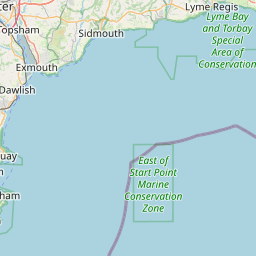
Map & Directions



Related history nearby
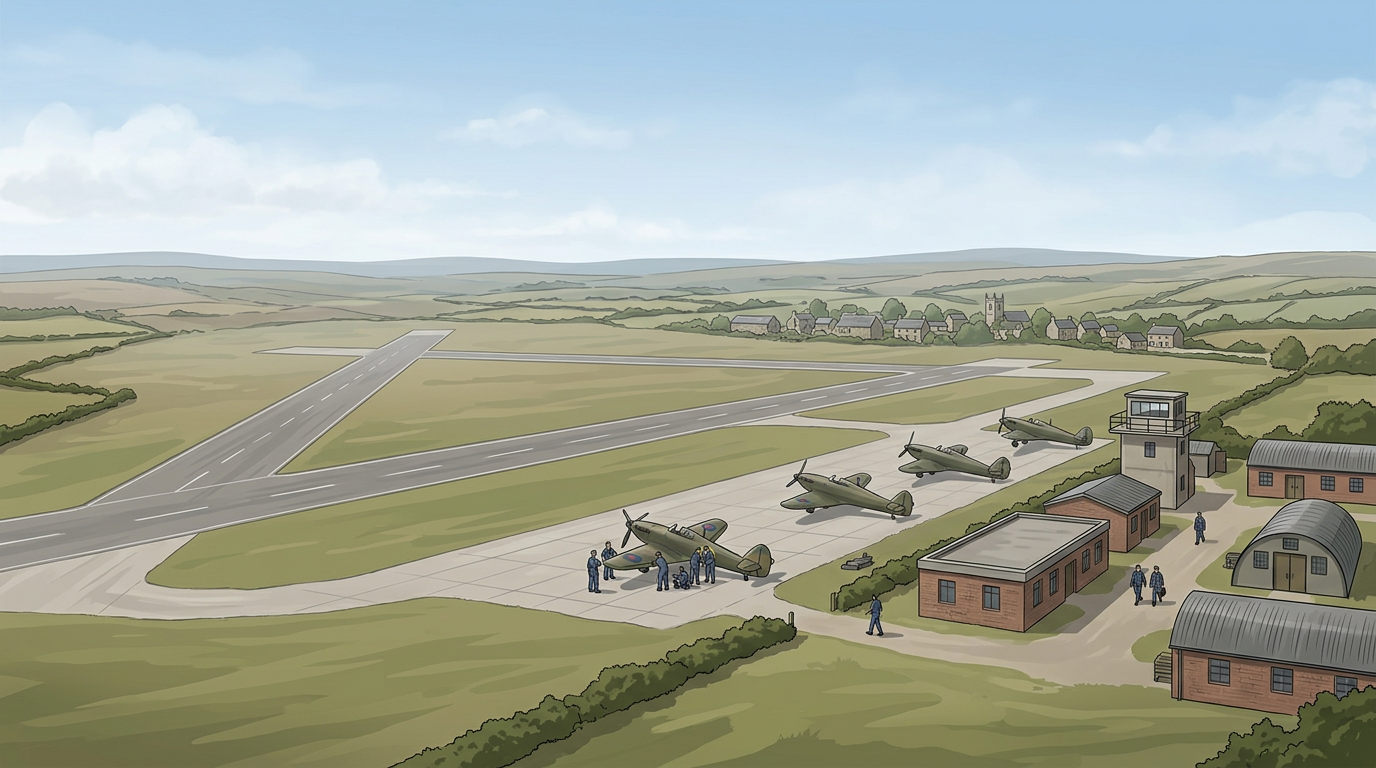
20th Century
RAF Harrowbeer: Dartmoor’s WWII Airfield
A former wartime fighter airfield on the edge of Dartmoor, where cracked runways and scattered concrete still mark the landscape of the Second World War.
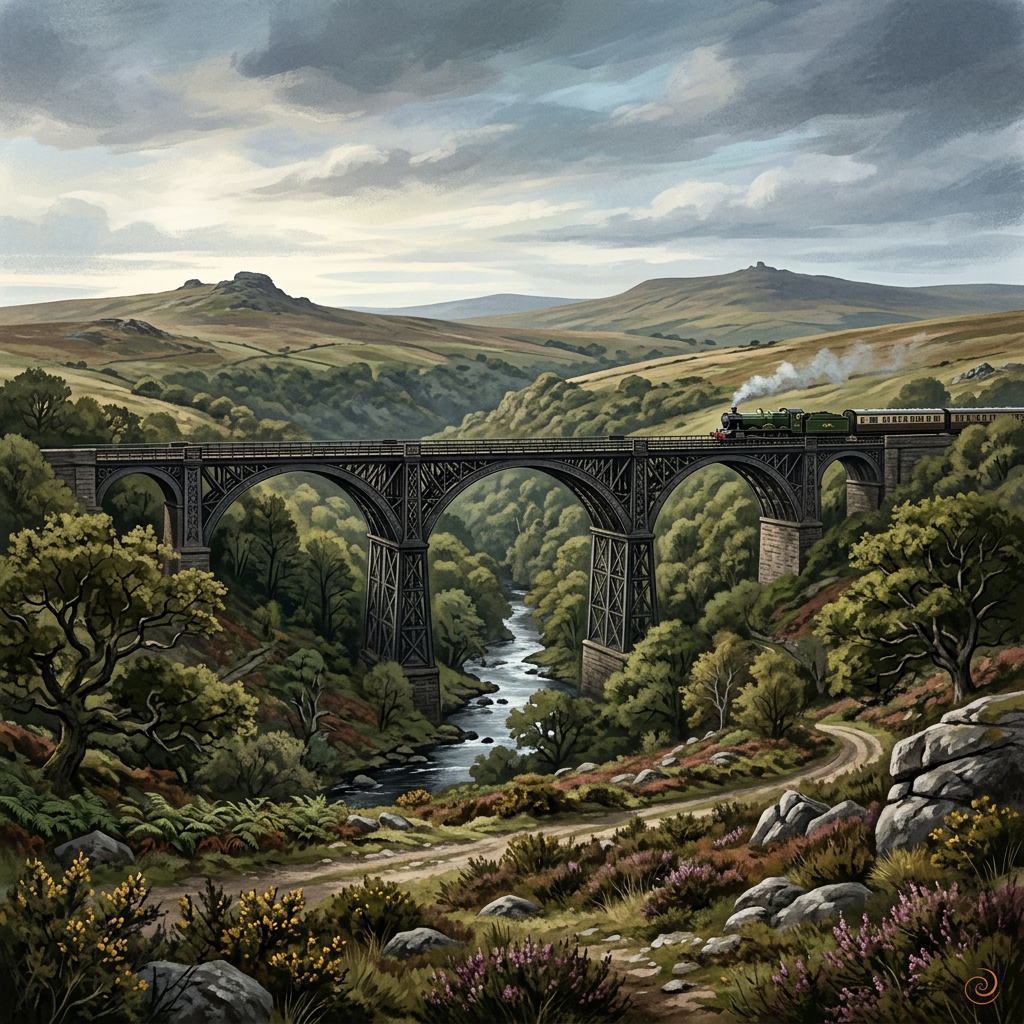
Victorian
Meldon Viaduct
A spectacular Victorian viaduct spanning a deep Dartmoor-edge gorge.
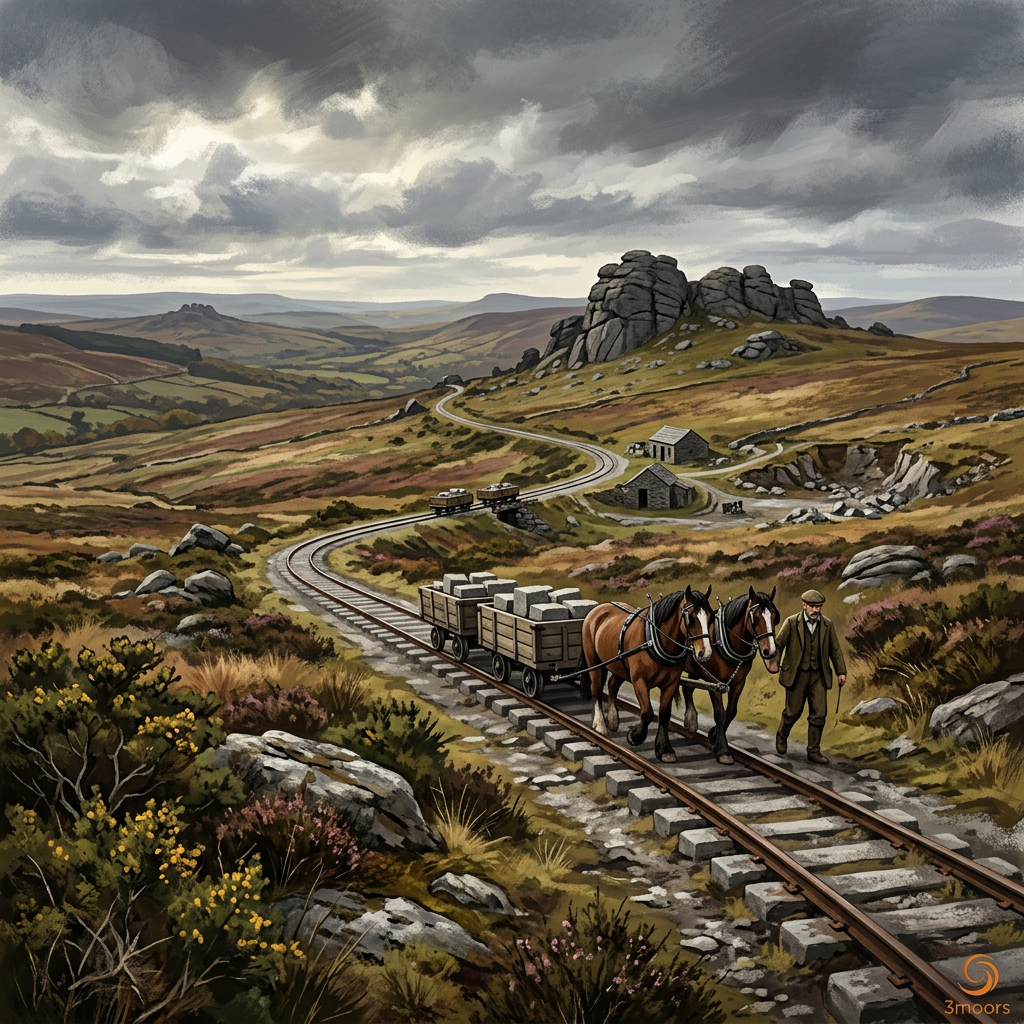
Industrial
Haytor Granite Tramway
An extraordinary early industrial railway where granite rails still survive across Dartmoor.
Victorian
Morwellham Quay
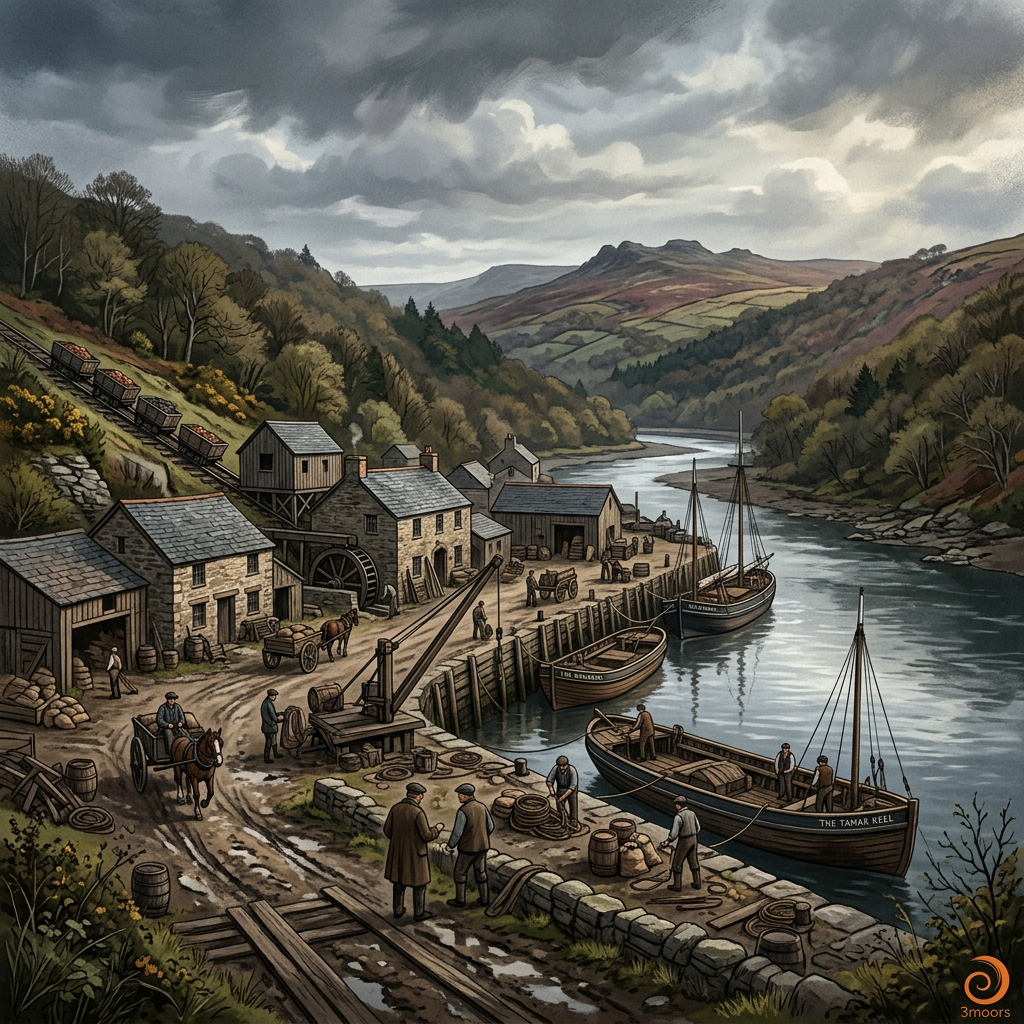
A remarkable surviving river port that carried copper, arsenic and industrial wealth from the Tamar Valley to the wider world.
Join the 3moors Community for path conditions & local tips.
JoinNearby places
Quick facts
OS Grid Ref
SX 471 804