Victorian · Exmoor
Heddon Valley Iron Works
Hidden in a steep Exmoor valley, these remains tell the story of a short lived but ambitious iron mining industry.
Quick facts
Why this place matters
Heddon Valley Iron Works matters because it reveals a lesser known chapter of Exmoor’s industrial past. It shows how ambition and natural resources briefly transformed even remote valleys into working industrial landscapes.
Deep in a quiet valley, Victorian industry once tried to force a future out of iron.
What it is
Heddon Valley Iron Works is a remote industrial ruin in a dramatic Exmoor valley.
Why it mattered
It mattered because it brought industry into one of Exmoor’s most unlikely landscapes.
What you can see
Ruined structures, water features and traces of forgotten industrial effort.
The woodland survived. The industry did not.
What happened here
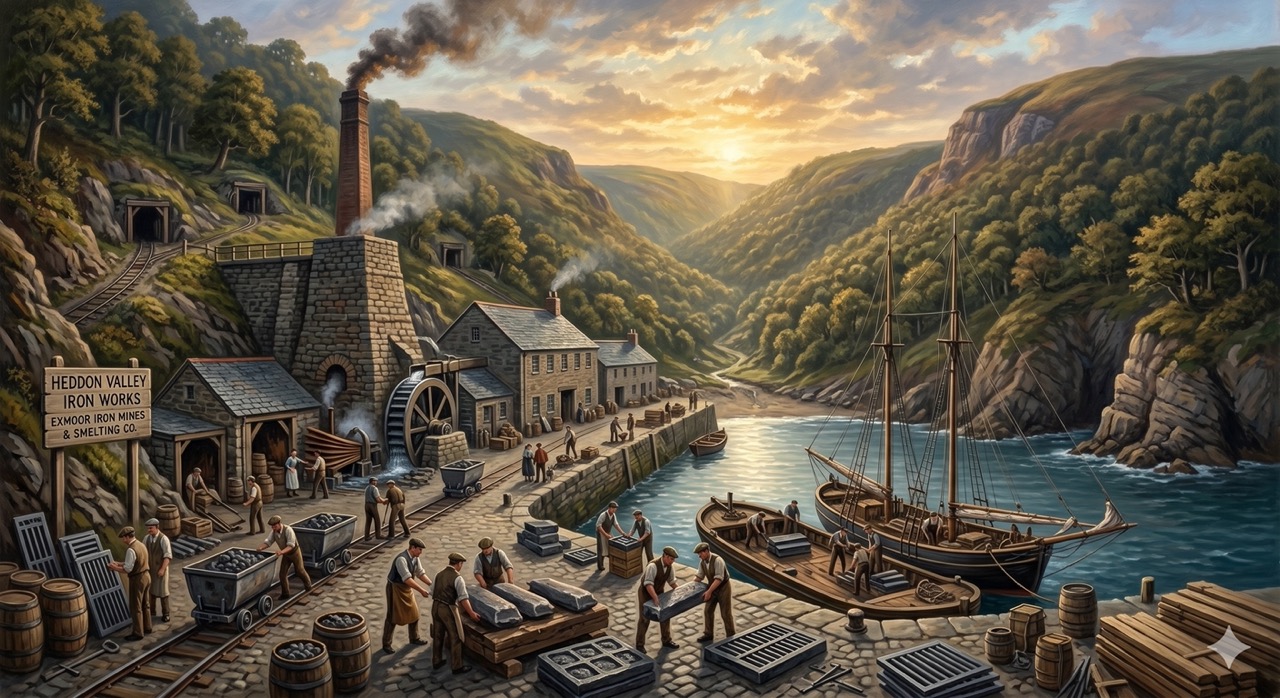
Heddon Valley Iron Works sits deep within one of Exmoor’s most dramatic wooded valleys. Today it feels peaceful and remote, but in the 19th century this quiet place rang with the noise of extraction and industry.
Heddon Valley Iron Works developed during the 19th century when industrial demand for iron encouraged exploration and extraction in unexpected places. The valley’s mineral resources attracted investment and labour, despite the challenges of access and transport.
Ore was extracted and processed here in a landscape that was steep, wooded and difficult to work in. Buildings, tramways and industrial features were created to support the operation, carving industry into the natural valley.
The venture was ambitious but relatively short lived. Difficult conditions, transport costs and economic realities made long term success difficult.
Today the remains are subtle but important. They show how even remote Exmoor valleys were briefly drawn into the wider industrial story of Victorian Britain.
Key dates
19th century
Iron works established
Victorian period
Industrial operations active
Later period
Works decline and are abandoned
Standing here now
Standing here now, birdsong and running water dominate the valley. Moss covered ruins and old workings sit among trees and steep slopes, making the industrial past feel both close and strangely distant.
What to look for
- 1Moss covered stone ruins
- 2Old workings and cuttings in the valley sides
- 3Water channels or altered stream courses
- 4Platforms or traces of industrial structures
- 5The relationship between the works and the steep valley landscape
Landscape & wider significance
Heddon Valley is steep sided, wooded and cut by fast flowing water. The valley’s natural resources made it attractive for industry, but the same geography made transport and large scale development difficult.
The contrast between industrial remains and natural beauty is part of what makes the site so striking today.
Myths & folklore
The valley carries more atmosphere than folklore, though abandoned industrial sites often attracted tales of ghosts and lost fortunes.
Visiting today
Usually reached by walking through Heddon Valley. Paths can be steep, muddy and slippery, especially after rain. Respect ruins and unstable ground.
Good to know
💡 Did you know?
🎯 Try this when you visit
🤔 Think about this
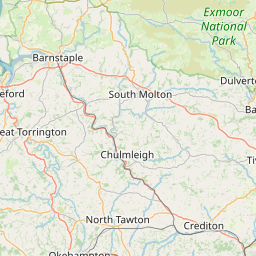
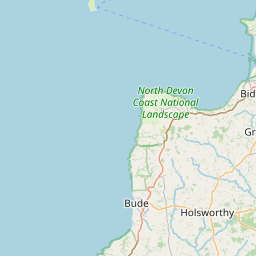
Map & Directions


Related history nearby
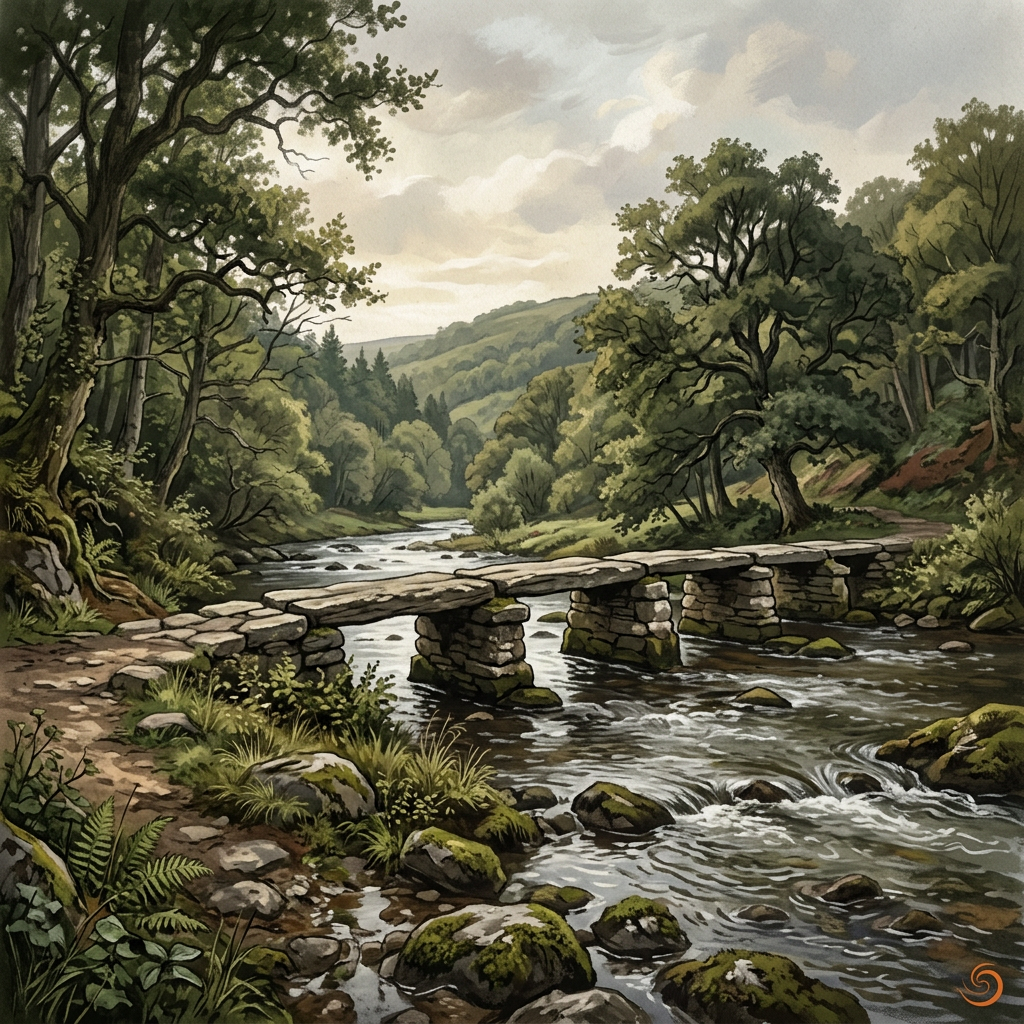
Medieval
Tarr Steps
An ancient river crossing where stone, water and time meet in one of Exmoor’s most memorable landscapes.
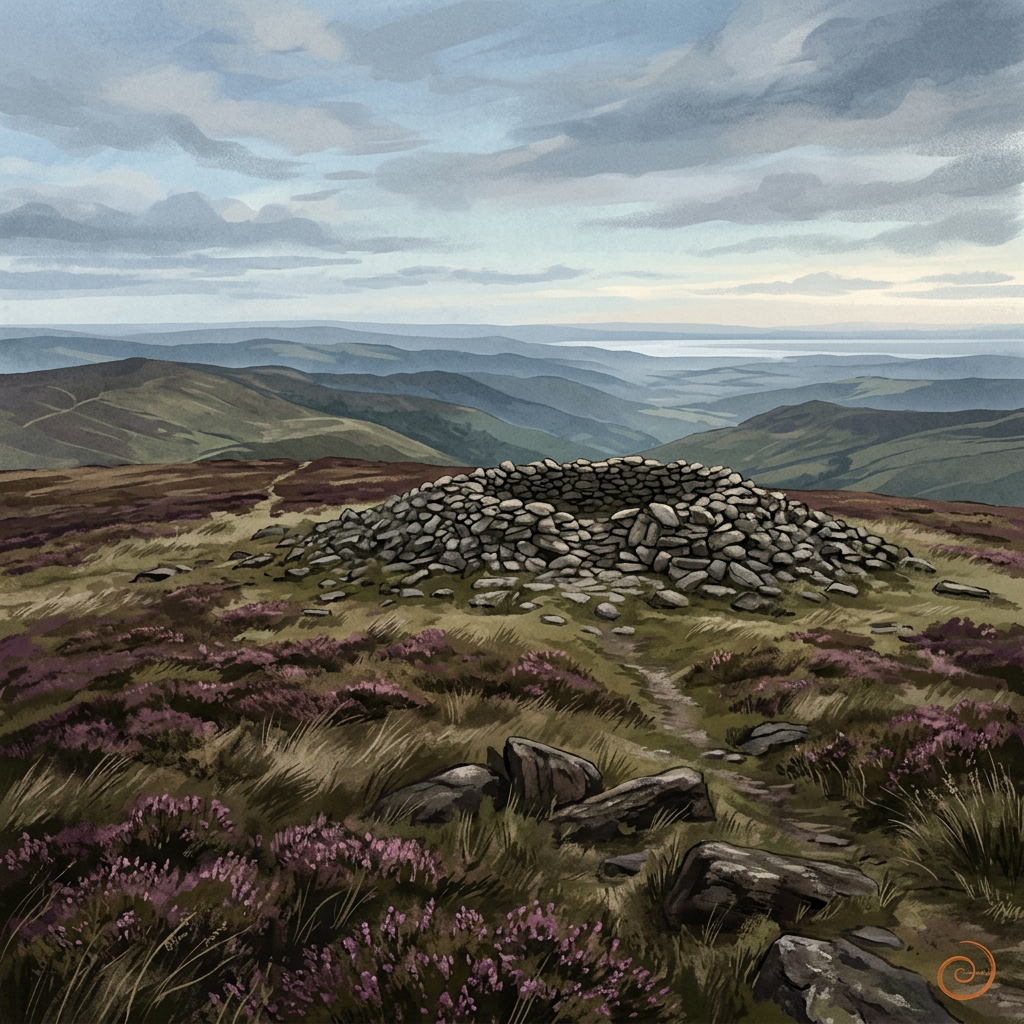
Prehistoric
Dunkery Beacon
Exmoor’s highest point is more than a viewpoint — a place of deep time and wide horizons.
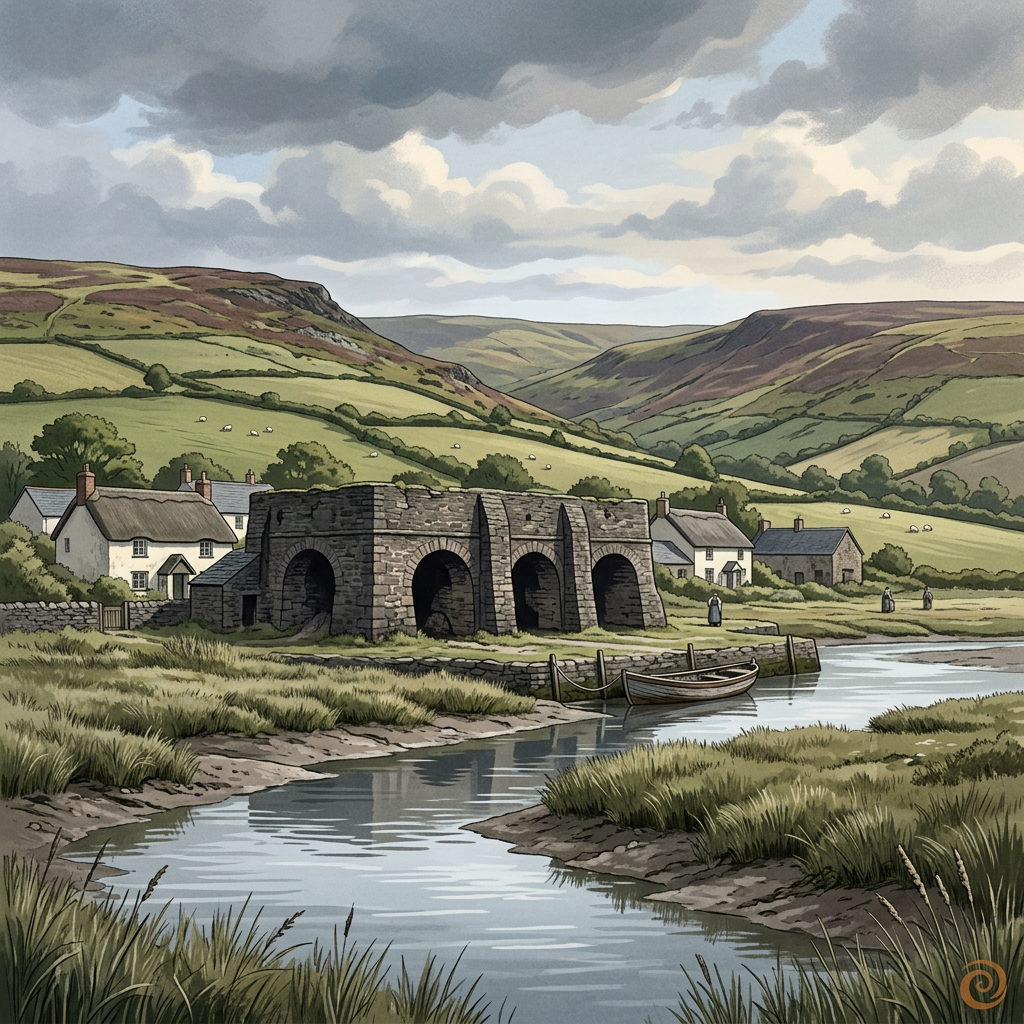
Georgian
Bossington Lime Kilns
Weathered kiln remains on the edge of Porlock Bay, where coastal industry once helped shape farming and building across the Exmoor fringe.

Prehistoric
Selworthy Beacon
A prominent hilltop on Exmoor with prehistoric origins, commanding views and long evidence of human use as lookout, marker and ritual landscape.
Join the 3moors Community for path conditions & local tips.
JoinNearby places
Quick facts