Medieval · Dartmoor
Hound Tor Medieval Village
A lost medieval settlement beneath one of Dartmoor’s most dramatic tors, where house platforms and field traces still survive in the open landscape.
Quick facts
Why this place matters
Hound Tor matters because it preserves one of Dartmoor’s clearest surviving medieval settlements, showing that the moor was once home to real farming communities rather than empty high ground.
A village stood here beneath the tor. Then the people left, and only the shape of their lives remained.
What it is
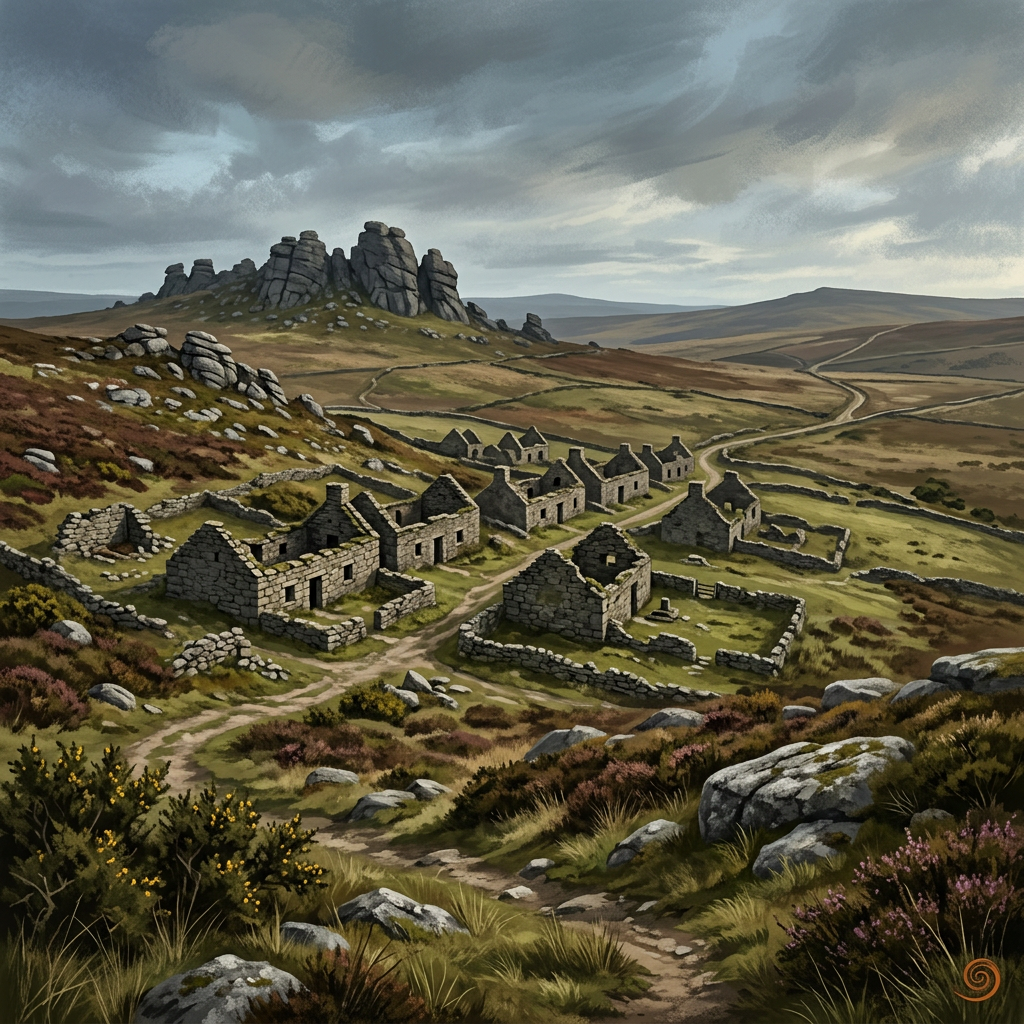
Hound Tor Medieval Village is a deserted farming settlement of longhouses, yards and fields dating from the medieval period.
Why it mattered
It mattered because real families lived and farmed here on Dartmoor in the Middle Ages.
What you can see
Stone house foundations, enclosures, field traces and the dramatic setting beneath Hound Tor.
You are not looking at a legend here. You are looking at a vanished community.
What happened here
Hound Tor’s deserted village was occupied in the 13th and 14th centuries by farming families living in stone longhouses beneath the tor. Excavation showed a small settlement made up of several building groups, each with a house, yard and working space.
This was not an isolated outpost in the romantic sense. It was part of a hard but functioning medieval landscape where people farmed, kept animals and tried to make a living in difficult upland conditions.
At some point the village was abandoned. Climate pressure, declining agricultural conditions and wider economic change are all part of the story. What survives now is not a grand ruin but the physical shape of ordinary medieval life.
That is what makes the site so powerful. It brings the Middle Ages down to ground level.
Key dates
13th century
Stone-built farming settlement established
14th century
Village occupied by farming households
Later medieval period
Settlement abandoned
20th century
Archaeological excavation clarified the site
Standing here now
The village does not shout for attention. It lies low in the grass, almost absorbed back into the hillside. But once your eye adjusts, streets of work, shelter and routine begin to appear.
What to look for
Longhouse foundations
Small barn remains
Yards and enclosures
Medieval field patterns
The tor and surrounding moorland setting
Landscape & wider significance
The settlement sits below the granite mass of Hound Tor on the eastern side of Dartmoor.
Its position offered workable ground and access to surrounding grazing, but it also exposed the villagers to the full challenge of life on the moor.
The relationship between settlement, fields and tor is still easy to read.
Myths & folklore
The tor above the village carries its own folklore, including tales of hounds turned to stone. The village itself is more archaeology than legend, which is part of what makes it so striking.
Visiting today
Reached by a short walk across open ground. Surfaces can be uneven and wet after rain. Respect the archaeology and avoid climbing on fragile wall lines.
Good to know
💡 Did you know?
🎯 Try this when you visit
🤔 Think about this
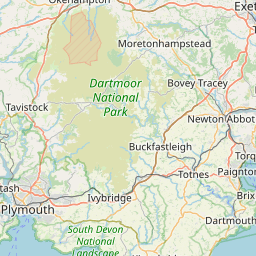
Map & Directions



Related history nearby
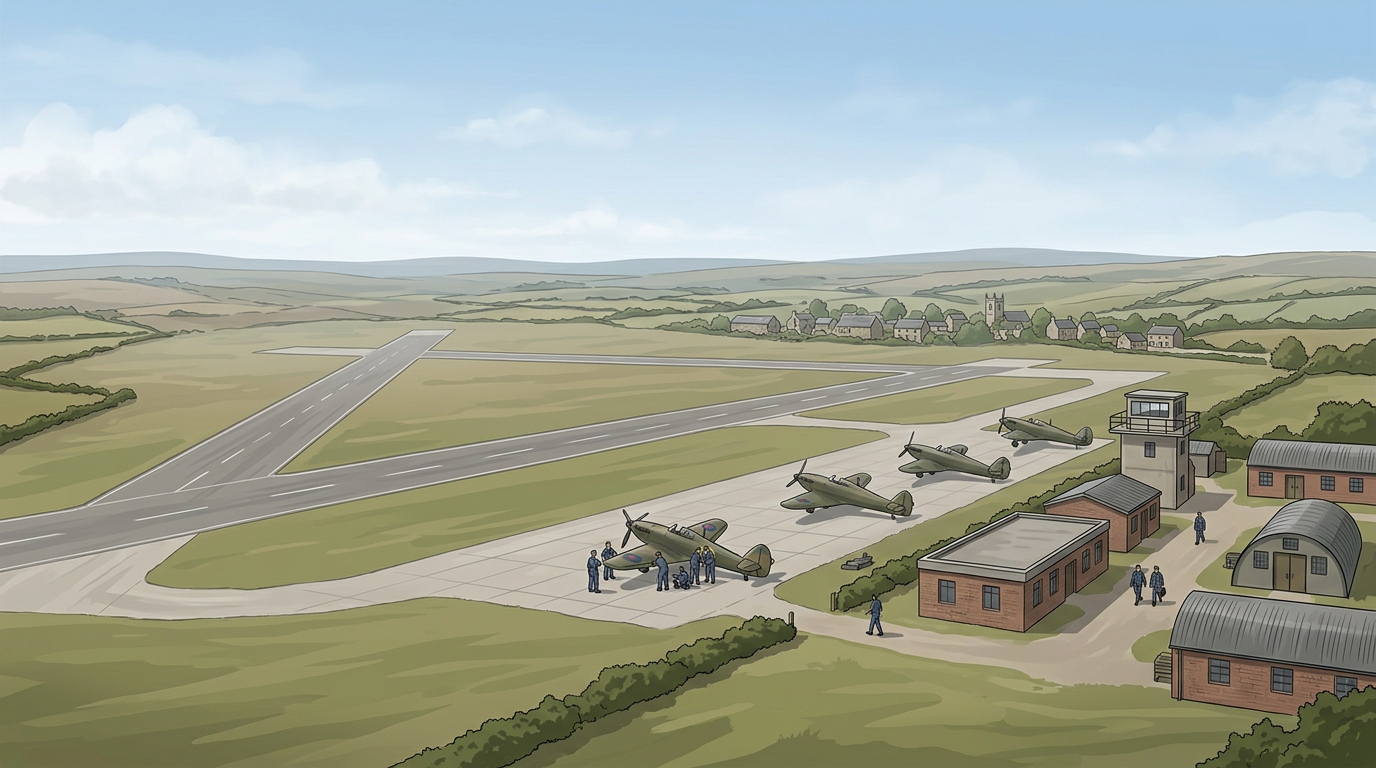
20th Century
RAF Harrowbeer: Dartmoor’s WWII Airfield
A former wartime fighter airfield on the edge of Dartmoor, where cracked runways and scattered concrete still mark the landscape of the Second World War.
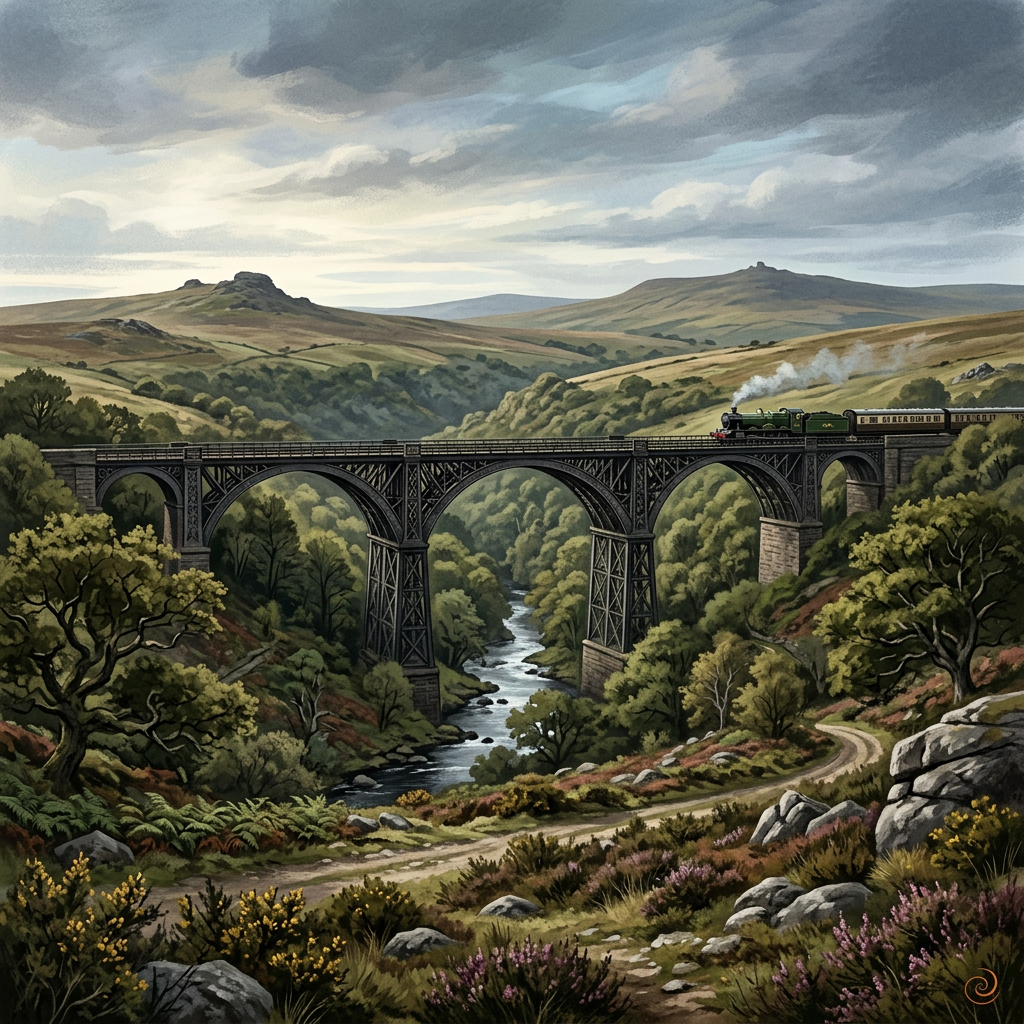
Victorian
Meldon Viaduct
A spectacular Victorian viaduct spanning a deep Dartmoor-edge gorge.
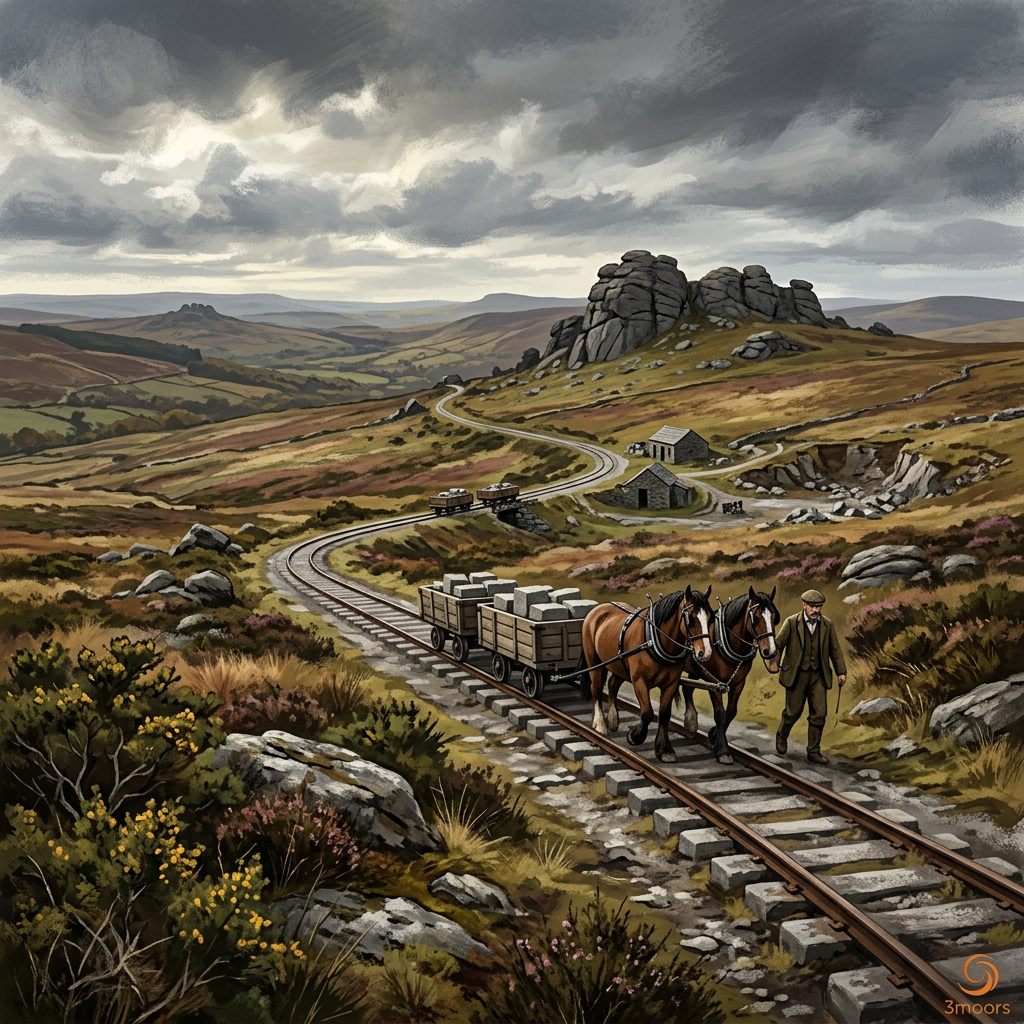
Industrial
Haytor Granite Tramway
An extraordinary early industrial railway where granite rails still survive across Dartmoor.
Victorian
Morwellham Quay
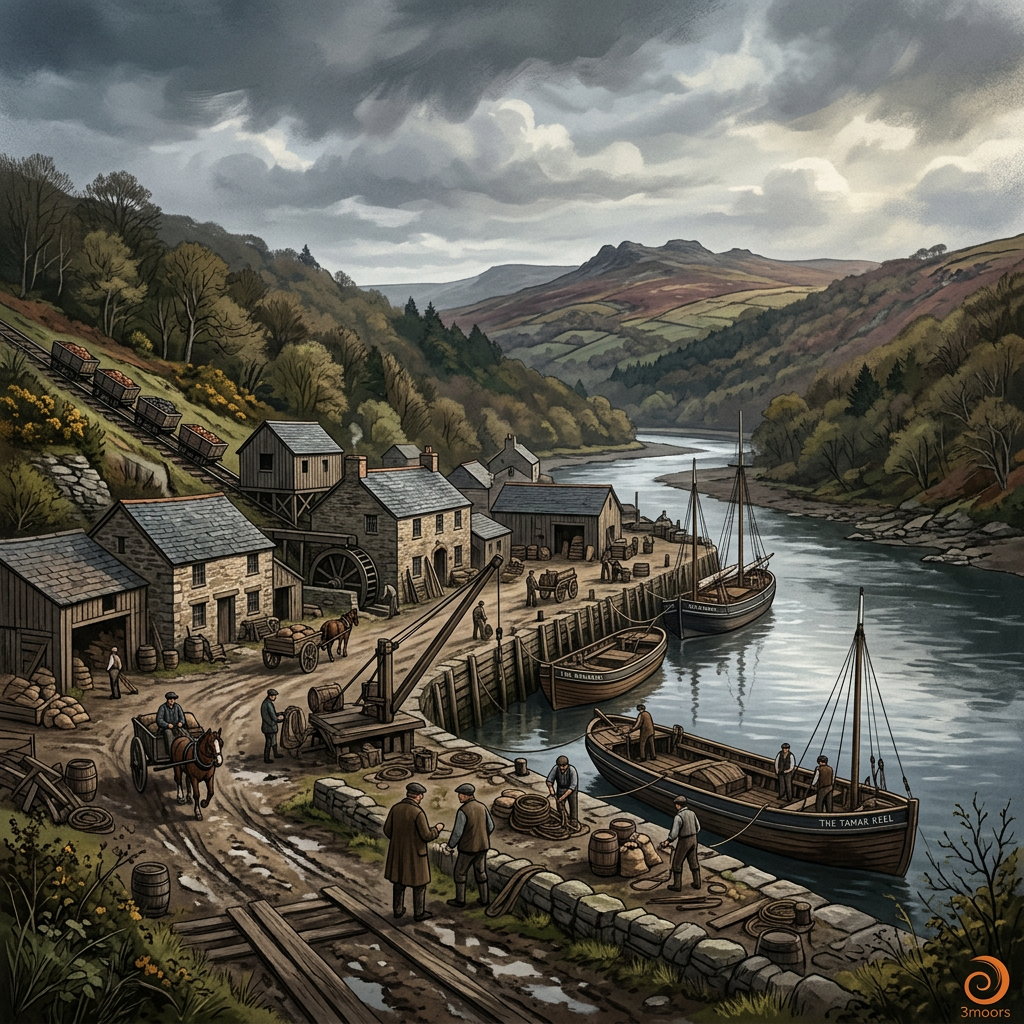
A remarkable surviving river port that carried copper, arsenic and industrial wealth from the Tamar Valley to the wider world.
Join the 3moors Community for path conditions & local tips.
JoinNearby places
Quick facts
OS Grid Ref
SX 742 788