
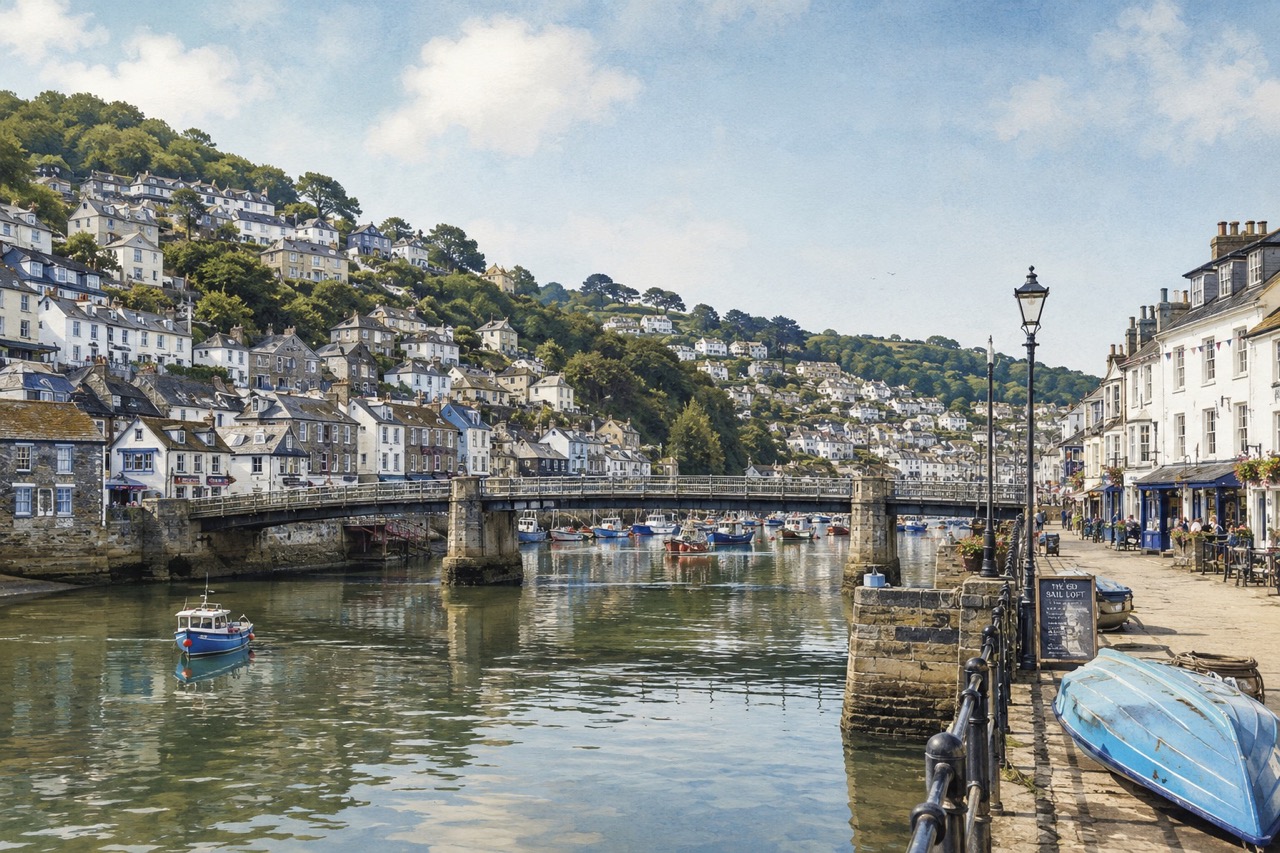
Other · South Cornwall coast
Looe
A bustling harbour town split by river, bridges and steep hillside streets.
About
Looe
Looe sits at the mouth of two rivers, the East Looe and West Looe, where they converge and push out through a narrow gap into the sea. The town has grown on both banks, connected by a Victorian bridge that most visitors cross several times without thinking much about it. On one side, East Looe carries the weight of the town's commerce and tourism. On the other, West Looe remains quieter, more residential, its terraced houses climbing a hillside that offers views down over the whole arrangement of rooftops and masts.
The tides govern Looe in a way that quickly becomes apparent to anyone who stays more than a few hours. The harbour empties on a falling tide to reveal dark mud and the keeled-over hulls of small fishing vessels, their ropes going slack and their fenders settling to rest. A few hours later, the water returns, the boats lift, the ropes tighten again, and the whole harbour reassembles itself. This is not a detail of the visit. It is the visit. The rhythm of the tides sets the pace of the day here more reliably than any opening time or timetable.
People come to Looe for the beach, which runs to the east of the harbour and fills steadily through summer. They come for the boats and the fish, for the smell of the sea and the spectacle of working craft in a working harbour. Some come for the coastal path, which begins at the edge of town and quickly leaves the crowds behind. What most of them find, once they slow down enough to look, is a place that has been doing this for a very long time and has no particular need to explain itself.
Character
The feel of Looe
The built character of Looe is essentially vertical. Streets on both sides of the river rise steeply from the waterfront, narrowing as they climb, and the older parts of East Looe in particular have a compressed, layered quality that rewards wandering. Fishing cottages and former net lofts sit alongside Victorian terraces and the occasional Georgian facade. Nothing is especially grand. The town grew to serve the harbour, not the other way around, and that pragmatic origin still shapes the look of the place.
At the quayside, the atmosphere shifts with the state of the water. On a full tide on a grey morning, with the boats riding high and gulls working the air above the fish market, Looe has a purposeful, slightly indifferent quality. It is busy in the way that working places are busy, with people who are not on holiday moving among people who are. The fish market smell is real and particular, a salt and iodine sharpness that fades inland but never quite disappears near the water. On a falling tide in summer afternoon light, the same quay becomes something looser, more social, families leaning over the rail to watch the water recede.
Looe rewards exploration on foot more than most harbour towns of its size. The two banks offer genuinely different experiences, and the network of lanes and footpaths above the town connects quickly to open countryside. It is a place that keeps revealing new angles, new vantage points, new passages between buildings that open unexpectedly onto water or hillside. That quality, the sense that there is always slightly more to find, gives Looe a depth that the beach-and-chips surface impression does not fully prepare you for.
First-hand visit
Keith's Take
The tide was out when I got there, and the boats were resting on their keels in the mud. That image stayed with me longer than the beach did.
One of my earliest memories of Looe dates back to my teenage years. Walking along the quay at low tide, I looked down onto the sand below and saw several dead blue sharks lying there. It was the first time I had ever seen a shark outside a photograph or television programme. I never discovered exactly how they ended up there, but it left a lasting impression on me. It was a reminder that the waters off Cornwall are home to far more wildlife than most visitors realise.
Low tide on the inner harbour: the ropes going slack, the hulls sitting at angles in the dark mud, a single egret picking its way along the far bank with absolute unhurried precision. This is what Looe looks like before the day begins, and it is worth seeing at least once, because it tells you something about the place that the busy afternoon quayside does not.
Regular visitors tend to learn the tides before they learn anything else about the town. That is not an exaggeration. The whole character of the harbour shifts across a six-hour cycle in ways that affect where you can walk, what you can see, and how the boats behave. First-timers often arrive, take in the beach and the quay, and leave with a perfectly good impression of a pleasant Cornish harbour town. What they miss is the tidal logic underneath it all: the way the morning smells different at full flood, the way the light hits the mud flats at the ebb, the way the fishing boats move out on the tide and return with it in a rhythm that has been repeating here for longer than the Victorian bridge that now spans it.
What I notice now, after several visits across different seasons, is that the most telling detail in Looe is not on the tourist side of the river. It is on the West Looe bank, in the quiet lanes above Hannafore, where the view back across the water takes in the whole harbour mouth at once. From there, the relationship between the town and the sea becomes clear in a way it cannot from street level. The two rivers, the convergence, the narrow exit to open water, the island sitting offshore like a full stop: it is the kind of view that makes sense of a place rather than just illustrating it.
Keith's Take — a first-hand account from the 3moors team
Map & Getting Here
Getting to Looe


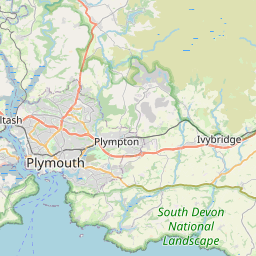



What to expect
A natural way to spend time here
Coming down into Looe from the main road, the town reveals itself gradually as the valley narrows and the river appears below. By the time you reach the quayside on foot, you have already passed through a transition from inland to coastal that feels earned. The inner harbour is immediately in front of you, the bridge just upstream, the beach visible beyond the outer walls. The layout is legible and compact enough to understand at a glance, and most of what Looe offers is within ten minutes' walk of this central point.
At the water's edge, what you notice first is sound. Halyards tapping against aluminium masts, the low throaty idle of a diesel engine on a departing boat, the overlap of seagull calls above the fish market. On a busy summer morning these sounds layer into something close to noise. In the off-season the same harbour can be almost still, with just the water movement under the hulls and the occasional distant shout from the quay.
The most rewarding approach to Looe is an unhurried one. Resist the pull of the beach in the first hour and spend that time on the quayside instead, watching the boats, reading the tide, picking up the rhythm of the place. The beach will still be there. The fish market will not.
What makes it stand out
What makes Looe special
What distinguishes Looe from other South Cornwall harbour towns is the division of the place itself. The river does not merely frame the town. It splits it, and the two halves have developed distinct personalities that a single visit, spent only on the East Looe side, will miss entirely. West Looe has almost no tourism infrastructure to speak of. Its streets are residential and unhurried, its views back across the water towards the fish quay are better than any you can get from East Looe, and the walk up through its lanes to Hannafore Point requires almost no effort for a significant change of perspective.
Looe is also notable for maintaining a genuinely active fishing fleet at a time when many Cornish harbour towns have become primarily leisure marinas. The fish market operates on weekday mornings, the catch is real, and the boats that line the inner harbour are working vessels rather than pleasure craft dressed up for atmosphere. That distinction matters. It keeps a grit and a practicality in the place that would otherwise leach away under the pressure of summer visitor numbers. The smell of the quay, the ice bins, the early-morning activity before the town wakes up: these are not staged. They are simply what happens here.
Don't miss
Things to see and do
Cross the bridge to West Looe in the early morning, before the day trip coaches arrive, and walk the lanes up towards Hannafore Point for the view back over the whole harbour mouth.
Watch the inshore fishing boats return to the inner harbour on a weekday morning and follow the catch from deck to quay.
Walk east along the coastal path from the beach car park to Portnadler Bay, where the path drops to a small cove that most day visitors never reach.
Take the ferry across to Looe Island (also known as St George's Island) when summer sailings operate and look back at the mainland from the water.
Stand on the old bridge at low tide and watch the estuary mud reveal itself, with egrets picking along the margins in the middle distance.
Find the smaller alleys behind the main quay in East Looe and follow them uphill until the roofline drops away and you can see the sea.
Buy fish directly from the market or the quayside sellers on a weekday and eat it somewhere along the harbour wall before the afternoon crowds settle in.
Walks from here
Getting out from Looe
The South West Coast Path passes directly through Looe, and both directions offer rewarding walking within a couple of hours of the town. Heading west, the path climbs steeply out of West Looe towards Hannafore and then on towards Talland Bay, a distance of roughly three miles along cliff and field-edge paths with sustained views back towards Looe Island. Talland Bay has a small beach and a pub, making it a natural turning point for a half-day walk. The return can follow the same path or cut inland through the lanes above Talland village.
East of Looe, the path runs along the cliff top above Millendreath Beach and on towards Seaton, passing through mixed woodland and open coastal grassland. This stretch is slightly less dramatic than the western section but quieter in season and notable for its plant life in spring and early summer. A circular walk of around five miles is possible by returning along the Seaton Valley Countryside Park trail, which follows the River Seaton inland through broadleaf woodland before connecting back to the Looe valley road.
For shorter walks, the river itself offers a pleasant upstream route on both banks. The path along the West Looe River reaches open countryside within twenty minutes of the town centre, passing through a broad estuary landscape that changes character entirely with the tide. Wading birds are common here through autumn and winter.
Good to know
Before you go
Looe is heavily visited in July and August, and the single access road into the town centre creates significant congestion on peak summer days. Arriving early in the morning or after four in the afternoon on busy days makes a material difference to the experience. Parking is limited and the main car parks fill quickly
the park-and-ride option from Sandplace (on the Looe Valley Line railway) is worth knowing about and removes the traffic problem entirely.
The Looe Valley Line, a branch railway that runs from Liskeard, is one of the more useful and underused assets in this part of Cornwall. The journey takes around half an hour and runs through deep-cut valley scenery that is inaccessible by road. For visitors coming from further afield, this is a genuinely good way to arrive, and it avoids the car park question altogether. Midweek visits outside of the school holiday period will find a noticeably different town.
Across the seasons: Summer in Looe is full and unambiguous. The beach fills, the harbour is busy with pleasure trips and dive boats alongside the fishing fleet, and the streets around the quay stay crowded through the afternoon. The town handles the volume reasonably well, but the more particular pleasures of the place, the quiet tide-watching, the early morning market, the sense of a working harbour, are harder to find in August when everything else is competing for your attention. Spring and early autumn are when the tidal character of Looe becomes most visible and most rewarding to observe. April and May bring the light of longer days without the full weight of the season, and the coastal path flowers are at their best on the cliff sections west of town. September and October bring lower tides that expose more of the estuary, and the quality of light in the late afternoons can be exceptional, particularly looking west from the outer harbour wall towards Looe Island. Winter is genuinely quiet and not without its own appeal. The fishing fleet is still active, the fish market still runs on weekday mornings, and the town reverts to something closer to its actual scale. On still winter days the harbour has a clarity and calm that summer makes impossible. Those who visit in November or January are seeing something real that most visitors, passing through in high season, will not encounter.
Local weather
Weather near Looe
Heavy rain
Today
Met Office forecast · updated every 30 min
Practical info
Practical info
Looe's popularity means parking is consistently in demand, particularly in summer. The main car parks (including Millpool on the West Looe side) fill early on warm days, and on-street parking in the town itself is very limited. Arriving before 10am gives a noticeably better chance of a space. It is worth checking current charges and seasonal restrictions before travelling, as arrangements do change.
Both East and West Looe have public toilets, cafés, and shops within easy walking distance of the harbour. The town is well served for food and refreshment by coastal standards. There are no facilities on the coastal paths beyond the town boundary, so carry water and anything else you need before heading out.
The harbour quays and main shopping streets are largely flat and manageable for most visitors, but Looe's residential hillside streets are steep and can be slippery on wet days. The coastal paths leading east and west from the town involve uneven ground and some ascent. Sturdy footwear is advisable for anything beyond the immediate harbour area. The town itself is generally accessible, though some lanes are narrow and cobbled.
varies
Explore nearby
Places nearby
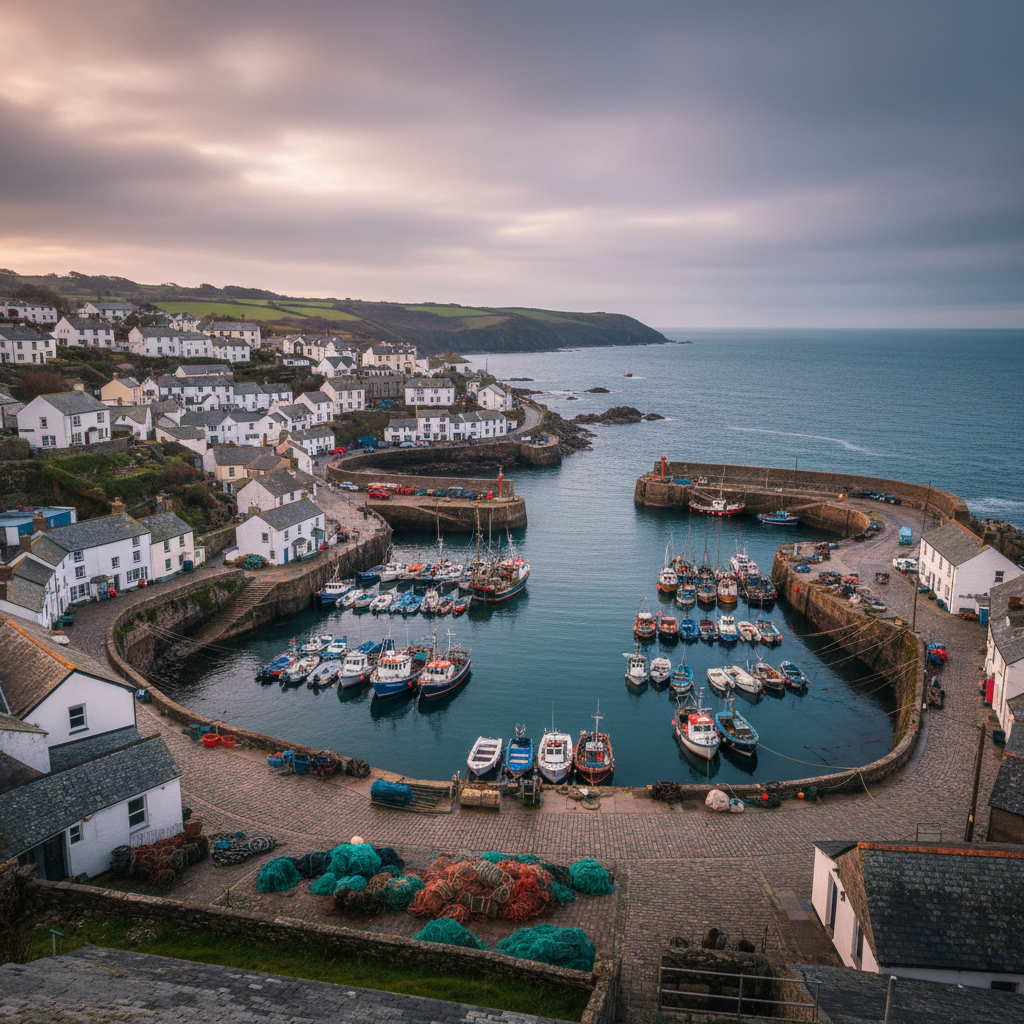
Mevagissey
Mevagissey blends fishing heritage with one of Cornwall’s strongest harbour atmospheres.
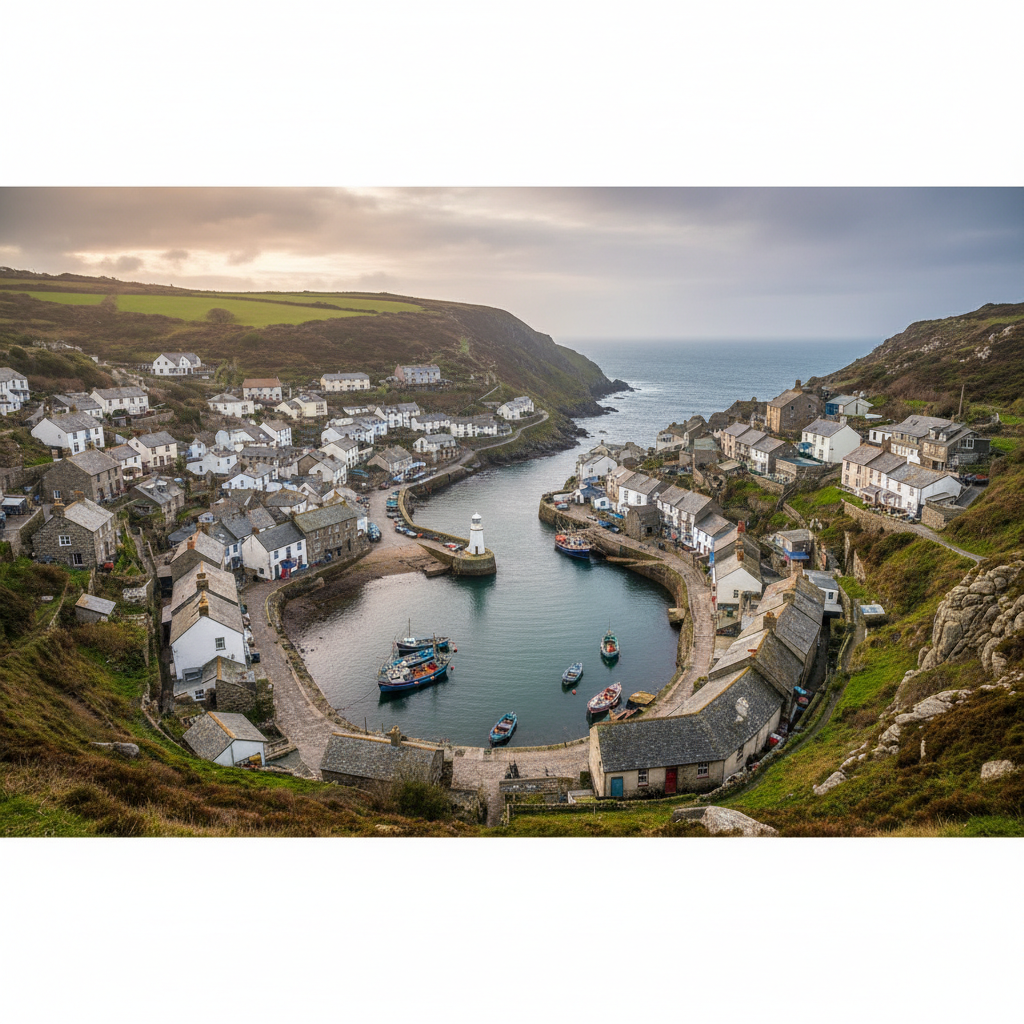
Polperro
Polperro combines harbour atmosphere, steep coastal scenery and Cornish folklore.
Porthleven
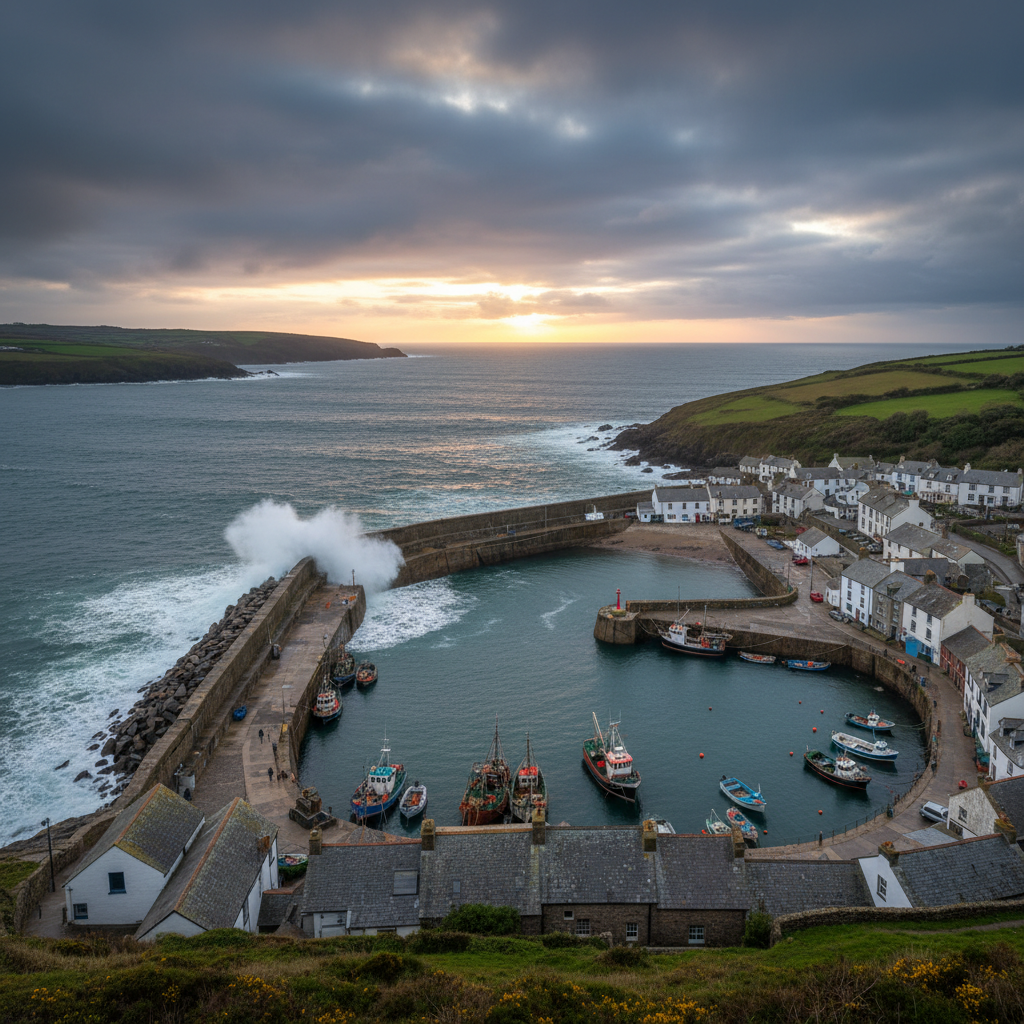
Porthleven offers one of Cornwall’s strongest combinations of harbour atmosphere and Atlantic power.
Portwrinkle
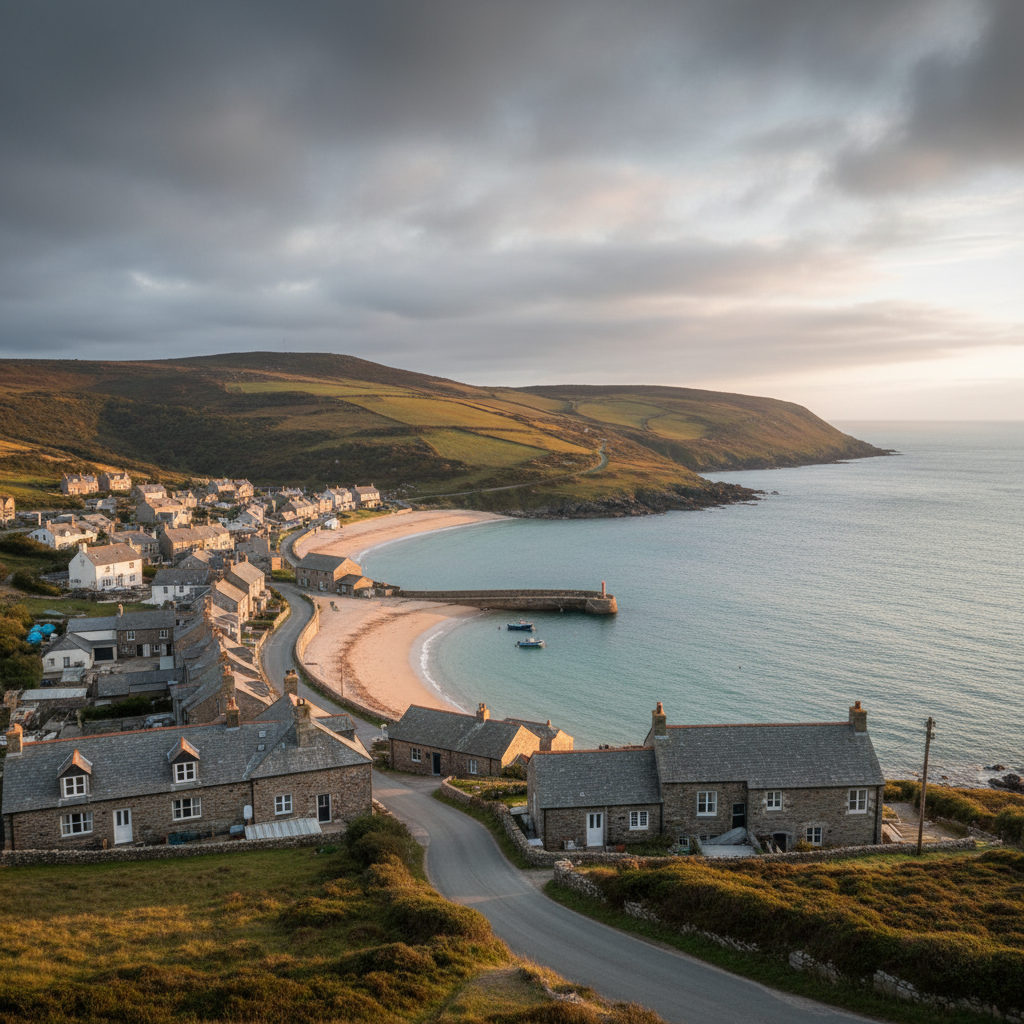
Portwrinkle offers a slower-paced coastal atmosphere away from busier Cornwall resorts.
Join the 3moors Community for path conditions & local tips.
JoinWhy this place matters
Looe — in its own right
What Looe leaves you with, on reflection, is a sense of a place that has absorbed a great deal of tourism without being entirely remade by it. The fishing heritage here is not decorative. The boats are not kept for atmosphere. The fish market is not a heritage attraction. These things function because they have always functioned here, because the geography of the place, the sheltered harbour mouth, the river channels, the proximity to deep water offshore, made Looe a fishing port long before anyone thought to put a gift shop beside it. That continuity is easy to overlook on a summer afternoon when the ice cream queues are long and the beach is full. But it is there in the ice bins on the quay, in the name boards above the fish stalls, in the way the older fishermen walk past the tourist bustle with the practised indifference of people who have somewhere specific to be. Looe has been a working harbour for centuries. The visitors are recent. The sea is not.