We use essential cookies to keep the site working. Non-essential cookies help us improve your experience and understand how you use the site. You can accept or reject non-essential cookies at any time. Learn more
A realistic guide to the wildlife you're most likely to see on Dartmoor — from ponies and birds of prey to the animals you might only glimpse.
Q&Adartmoordevon
TypeWildlife Guide
Q&A
Moordartmoor
Countydevon
Quick Answer
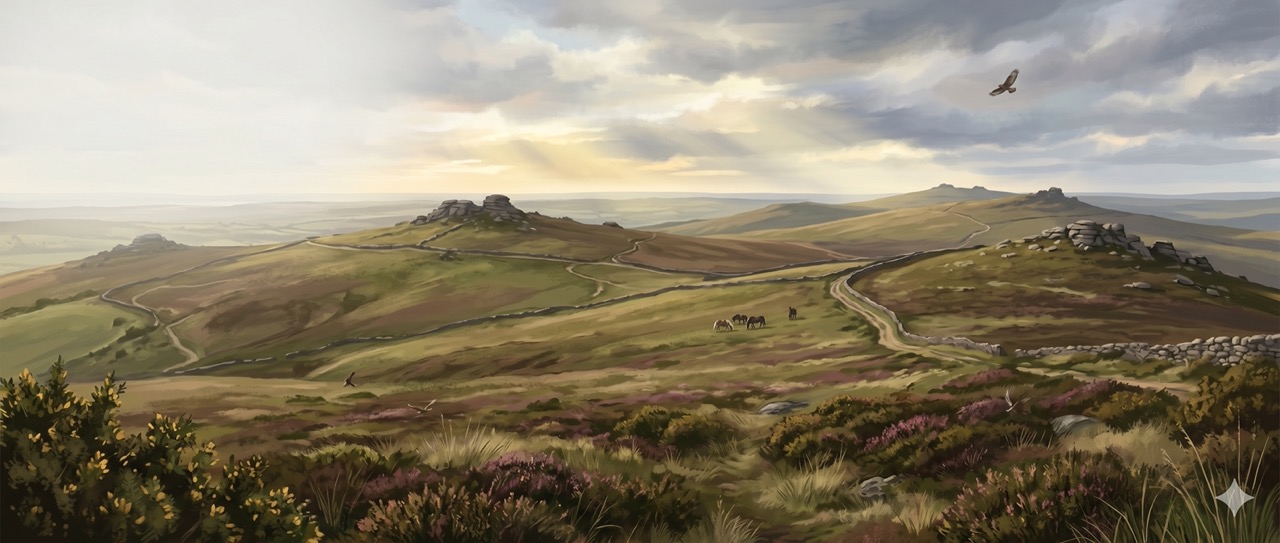
<p>You are very likely to see Dartmoor ponies in many open moorland areas, and there is a good chance of spotting buzzards overhead. Skylarks are common in spring and early summer, though you will often hear them long before you see them.</p><p>Rabbits, stonechats, meadow pipits, crows and ravens are also regular sights. Deer, foxes, adders, owls and some of Dartmoor's quieter wildlife are present, but they usually require patience, good timing and quieter conditions.</p>
Introduction
<p>If you are visiting Dartmoor for the first time, it is natural to wonder what animals you will actually see.</p><p>The honest answer is this: Dartmoor is not a place where wildlife is constantly on display. It is open, exposed, weather-shaped and often quiet. Some animals are easy to spot. Others are there but hidden, distant or active when most people are not looking.</p><p>That is part of what makes the moor special. This is not a zoo. It is a living landscape.</p><p>The more slowly you move through it, the more it begins to reveal.</p>
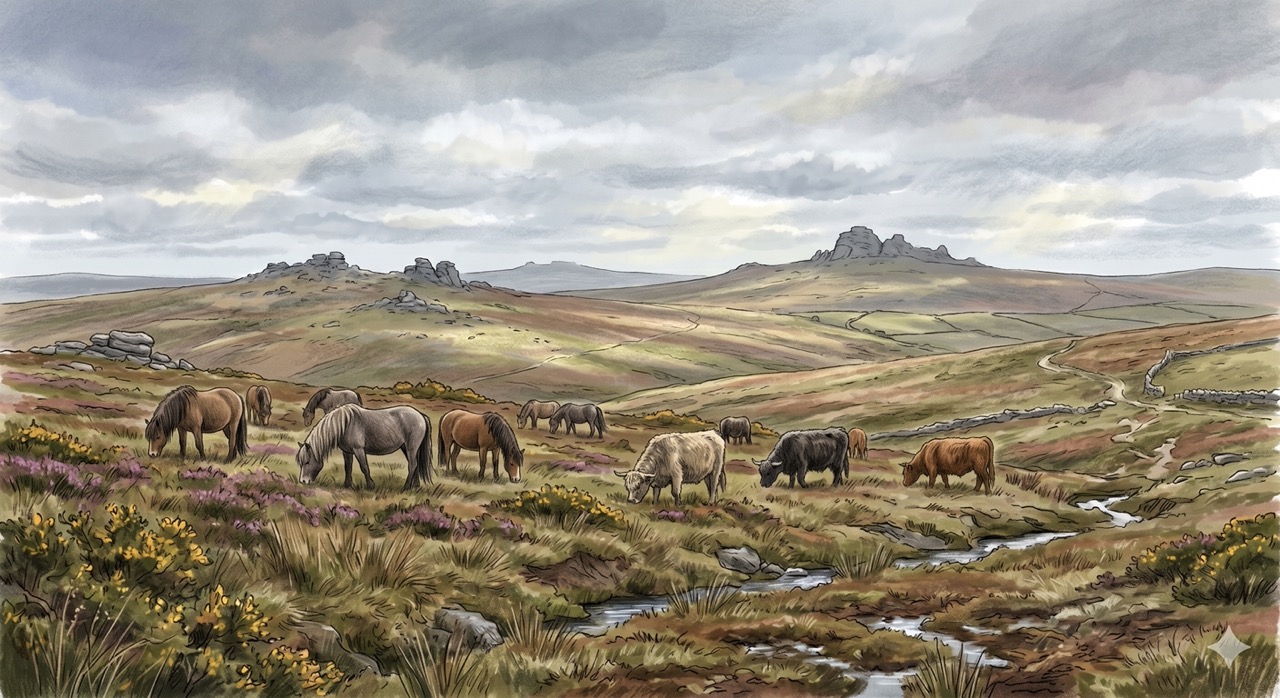
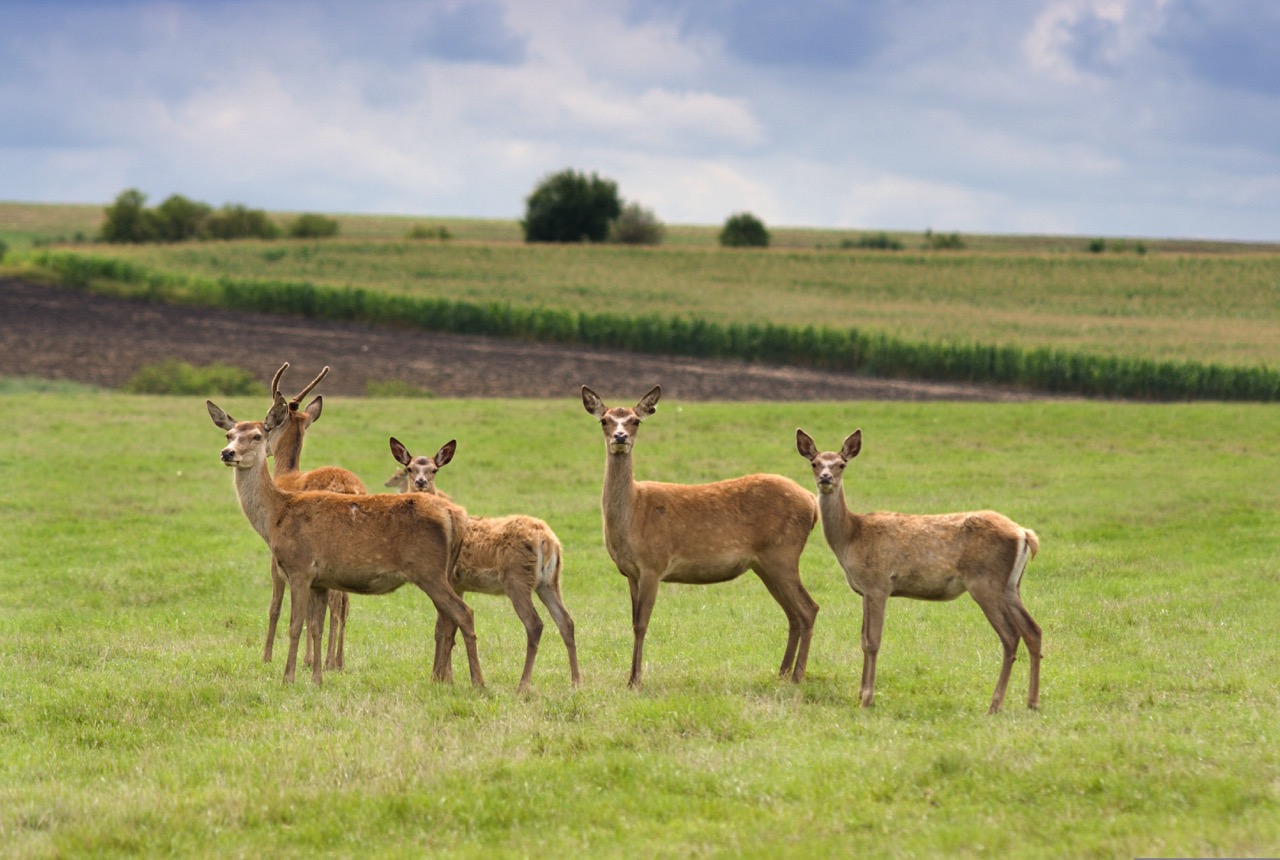
<h2>Before you head out</h2><p>Before you head out, it helps to reset your expectations.</p><p>You may see ponies within minutes. You may hear skylarks above open grass. You may notice a buzzard circling over a valley. But deer may be only a shape at the edge of a wood. A fox may be a quick movement across a lane. An adder may be seen only if you are lucky, careful and looking in the right conditions.</p><p>Wildlife on Dartmoor is often subtle. Movement matters. Sound matters. Stillness matters.</p><p>Walk slowly, stop often, scan the edges, and give the landscape time.</p><h2>Dartmoor ponies</h2><p>Dartmoor ponies are the animal most visitors expect to see — and in many areas, you probably will. They are one of the defining sights of the moor, often grazing in small groups on open commons, near roads, around tors and across rough grassland.</p><p>They may appear calm and approachable, but they are not pets. Do not feed them, touch them or try to pose close to them for photographs. Take extra care around mares with foals.</p><ul><li><strong>Likelihood:</strong> very high in many areas</li><li><strong>Best place:</strong> open moorland, commons, roadside grazing areas</li><li><strong>Best time:</strong> year-round</li><li><strong>Look for:</strong> small groups grazing quietly, often with heads down in the wind</li></ul><h2>Buzzards</h2><p>Buzzards are one of the most familiar birds of prey over Dartmoor. Look up and you may see broad wings circling slowly above valleys, woodland edges and open slopes.</p><p>They are often easier to spot later in the morning, once the air warms and thermals help them rise. Their call can sound like a high, mewing cry.</p><ul><li><strong>Likelihood:</strong> good</li><li><strong>Best place:</strong> valleys, woodland edges, open slopes</li><li><strong>Best time:</strong> late morning onwards, especially in fair weather</li><li><strong>Look for:</strong> broad wings, slow circles, birds hanging almost motionless in the sky</li></ul><h2>Skylarks</h2><p>Skylarks are one of Dartmoor's great spring and early summer experiences. You may hear them long before you see them — a stream of song pouring down from high above open grass and heath.</p><p>They nest on the ground, so it is important to keep dogs under close control and stay on paths where possible during the nesting season.</p><ul><li><strong>Likelihood:</strong> good in spring and early summer</li><li><strong>Best place:</strong> open grassland and heath</li><li><strong>Best time:</strong> spring and early summer</li><li><strong>Look for:</strong> song high overhead, then a tiny bird dropping back into the grass</li></ul><h2>Stonechats and meadow pipits</h2><p>Stonechats and meadow pipits are small, lively birds that bring movement to rough grass, gorse, bracken and moorland edges.</p><p>Stonechats often perch on gorse, bracken stems or fence posts, flicking from one low perch to another. Meadow pipits are common but easy to overlook, often rising suddenly from grass with quick, nervous flight.</p><ul><li><strong>Likelihood:</strong> good in suitable habitat</li><li><strong>Best place:</strong> gorse, rough grass, moorland edges</li><li><strong>Best time:</strong> spring to autumn</li><li><strong>Look for:</strong> small birds perching low, flicking across the grass or calling from cover</li></ul><h2>Ravens and crows</h2><p>Ravens and crows are part of Dartmoor's wilder atmosphere. Ravens are larger and more powerful in flight, often seen around tors, cliffs, valleys and open slopes. Their deep calls can carry across the moor.</p><p>Crows are common and easier to see, but ravens have a different presence: heavier, darker, more deliberate.</p><ul><li><strong>Likelihood:</strong> good</li><li><strong>Best place:</strong> tors, valleys, open ground, rocky places</li><li><strong>Best time:</strong> year-round</li><li><strong>Look for:</strong> large dark birds, deep calls, strong wingbeats</li></ul><h2>Rabbits</h2><p>Rabbits are common in suitable areas, especially around grassy banks, moorland edges, old walls and quieter tracks. They are often easiest to see early or late in the day.</p><p>Sometimes all you notice is a quick movement and a flash of white as one disappears into cover.</p><ul><li><strong>Likelihood:</strong> fair to good</li><li><strong>Best place:</strong> grassy edges, old walls, quiet lanes, moorland fringes</li><li><strong>Best time:</strong> early morning or evening</li><li><strong>Look for:</strong> movement close to cover</li></ul><h2>Deer</h2><p>Deer are present on and around Dartmoor, but they are not always easy to see. You are more likely to spot them around quieter valleys, woodland edges, plantations, field margins and less busy routes.</p><p>Dawn and dusk are best. During the day, deer often keep to cover or distant ground.</p><ul><li><strong>Likelihood:</strong> possible, but not guaranteed</li><li><strong>Best place:</strong> quiet valleys, woodland edges, moorland fringes</li><li><strong>Best time:</strong> dawn and dusk</li><li><strong>Look for:</strong> movement at the edge of cover, shapes on slopes, pale rumps disappearing into woodland</li></ul><h2>Foxes</h2><p>Foxes live around Dartmoor but are usually shy and often active when people are not about. They may be seen near moorland edges, quiet lanes, woodland margins and farmland boundaries.</p><p>Most sightings are brief. You may see one crossing a track or slipping along a hedge line before it vanishes.</p><ul><li><strong>Likelihood:</strong> possible, but usually brief</li><li><strong>Best place:</strong> moorland edges, quiet lanes, farmland boundaries</li><li><strong>Best time:</strong> early morning, dusk or after dark</li><li><strong>Look for:</strong> quick movement, low shape, reddish coat against grass or stone</li></ul><h2>Adders and reptiles</h2><p>Adders are present on Dartmoor and may be seen basking in warm, sheltered places. They are generally shy and will avoid people if left alone.</p><p>Never try to touch, move or disturb a snake. Watch from a safe distance and give it space.</p><ul><li><strong>Likelihood:</strong> occasional in the right conditions</li><li><strong>Best place:</strong> warm banks, heath, rough grass, sheltered sunny spots</li><li><strong>Best time:</strong> mild sunny days in spring and summer</li><li><strong>Look for:</strong> still shapes basking near cover</li></ul><h2>Owls</h2><p>Owls are present in and around Dartmoor, but they are not usually seen on a casual daytime visit. Your chances improve around dusk, woodland edges, barns, farmland fringes and quieter lanes.</p><p>Often, you are more likely to hear an owl than see one.</p><ul><li><strong>Likelihood:</strong> possible, but timing matters</li><li><strong>Best place:</strong> woodland edges, farmland fringes, quiet lanes</li><li><strong>Best time:</strong> dusk and after dark</li><li><strong>Look for:</strong> silent flight, pale shapes, calls from trees or field edges</li></ul><h2>Curlew and special sightings</h2><p>Some species are much less predictable and should be treated as special rather than expected. Curlew, for example, are strongly associated with wild, open landscapes but should not be assumed as an easy sighting.</p><p>If you do encounter rarer or more sensitive birds, keep your distance and avoid drawing attention to exact nesting or breeding locations.</p><ul><li><strong>Likelihood:</strong> not guaranteed</li><li><strong>Best approach:</strong> observe quietly and avoid disturbance</li><li><strong>Look for:</strong> signs, calls and movement across open ground, but do not pursue</li></ul><h2>When your chances are best</h2><p><strong>Spring and early summer</strong> are excellent for birdsong, skylarks, meadow pipits and general movement across open moorland.</p><p><strong>Early morning</strong> is good for quieter wildlife, rabbits, deer, foxes and birds before the busiest part of the day.</p><p><strong>Late morning</strong> can be better for buzzards, especially when warm air helps them circle.</p><p><strong>Dusk</strong> can be rewarding for deer, foxes and rabbits, but plan carefully. Dartmoor can become difficult in poor light, mist or bad weather.</p><h2>What surprises most people</h2><p>The biggest surprise is how quiet Dartmoor can seem — and then how alive it becomes once you slow down.</p><p>Animals blend into the landscape. Ponies may stand like dark shapes on a slope. Deer may be almost invisible against bracken. Small birds vanish into grass. A buzzard may be directly overhead before you think to look up.</p><p>Sound becomes as important as sight. A skylark singing, a raven calling, a sudden alarm note from a small bird — these are all clues.</p><p>The moor teaches you to notice.</p><h2>How to see more wildlife</h2><p>Walk slowly. Stop often. Scan the skyline, valley edges, gorse bushes and woodland margins. Give each viewpoint a few minutes before moving on.</p><p>Use binoculars if you have them. Keep dogs under close control. Avoid loud voices and sudden movement. Do not push towards animals for photographs.</p><p>A quiet ten minutes in the right place can be better than rushing across five miles.</p><h2>Wildlife etiquette</h2><p>Dartmoor's wildlife shares the landscape with livestock, walkers, riders, farmers, commoners and local communities.</p><p>Do not feed ponies. Keep dogs under close control, especially near livestock and during bird nesting season. Stay on paths where possible in sensitive areas. Avoid disturbing ground-nesting birds. Never approach young animals.</p><p>The best wildlife encounters are the ones where the animal carries on as if you were not there.</p><h2>A Dartmoor moment</h2><p>You stop. The wind drops. Somewhere above you, a skylark begins to sing.</p><p>At first, you cannot see it. The sound seems to come from the sky itself. Then a tiny shape flickers high above the grass, almost lost in the light.</p><p>Nothing dramatic has happened.</p><p>And yet, suddenly, the whole moor feels alive.</p>
3moors Community
Recent conditions or questions about this walk?
Join the 3moors Community to ask about path conditions, parking, wildlife sightings and local tips.

 Wildlife
 Wildlife
 Wildlife
 Wildlife