Cookies & Your Privacy

We use essential cookies to keep the site working. Non-essential cookies help us improve your experience and understand how you use the site. You can accept or reject non-essential cookies at any time. Learn more

Wildlife on Dartmoor: What You’ll Actually See

Wildlife Guide

Wildlife on Dartmoor: What You’ll Actually See

pillardartmoordevon
TypeWildlife Guide
pillar
Moordartmoor
Countydevon

Quick Answer

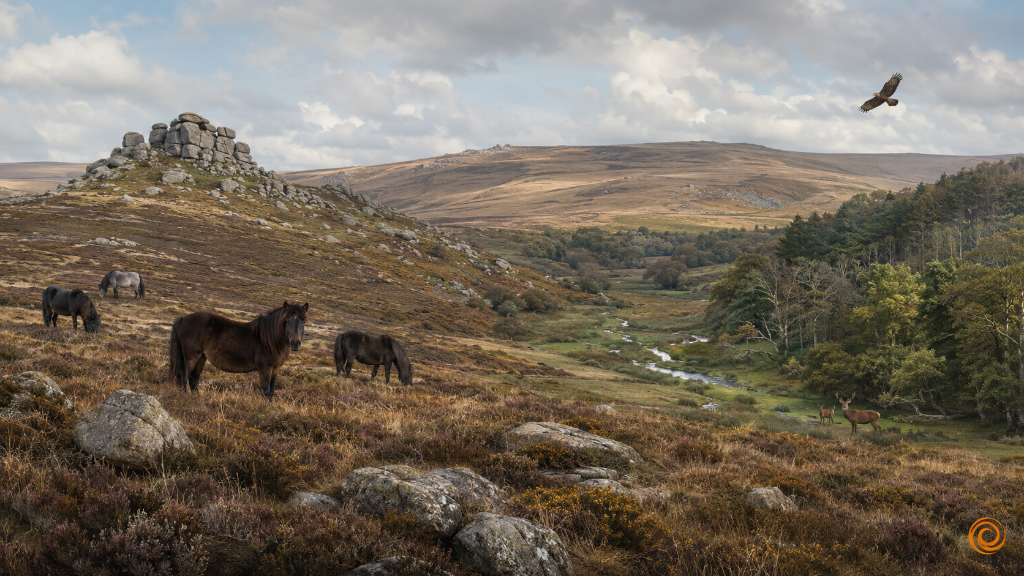
<p>Dartmoor ponies are the most likely sighting on any visit — they're present year-round across much of the open moor. Buzzards are very common overhead, especially mid-morning. Skylarks fill the air with song in spring and summer. Deer, foxes and adders are possible but require more patience, timing and quiet movement. Early mornings and late evenings give the best chances for most species.</p>

Introduction

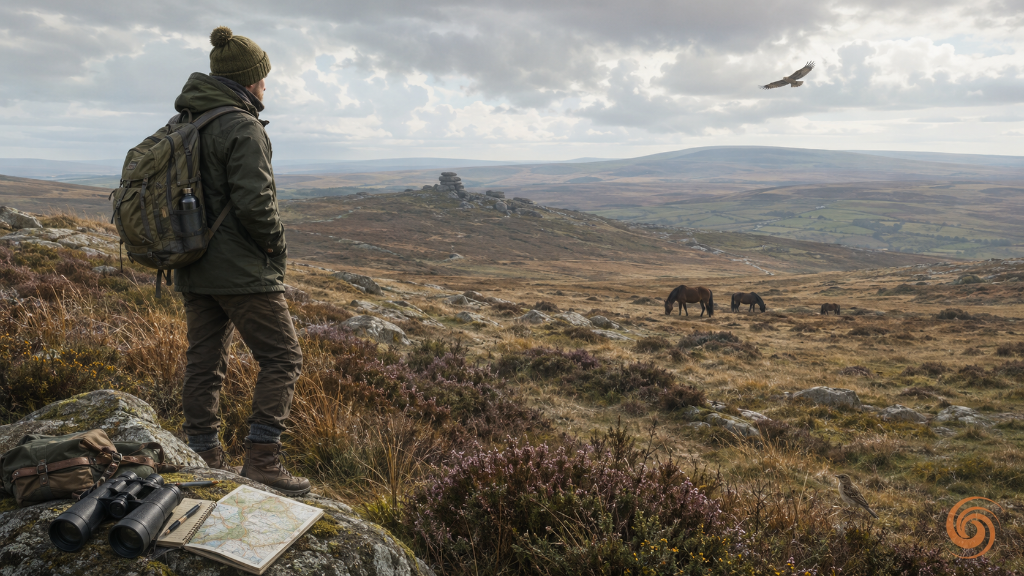
<p>Dartmoor is one of the most wildlife-rich landscapes in the South West — but it rewards patience over expectation. This isn't a zoo or a wildlife park. What you see depends on the time of day, the season, the weather and how quietly you move through the landscape.</p>

<p>The good news: even on a modest visit, most people come away having seen Dartmoor ponies on the open moor, buzzards overhead and skylarks singing from somewhere they can't quite pin down. With a little more time and care, foxes, deer, adders, dragonflies and a whole range of moorland birds become possible.</p>

<p>This guide is built around honest expectations — what's actually likely, not what's theoretically possible. Use it before you head out, and it'll help you look in the right places at the right times.</p>

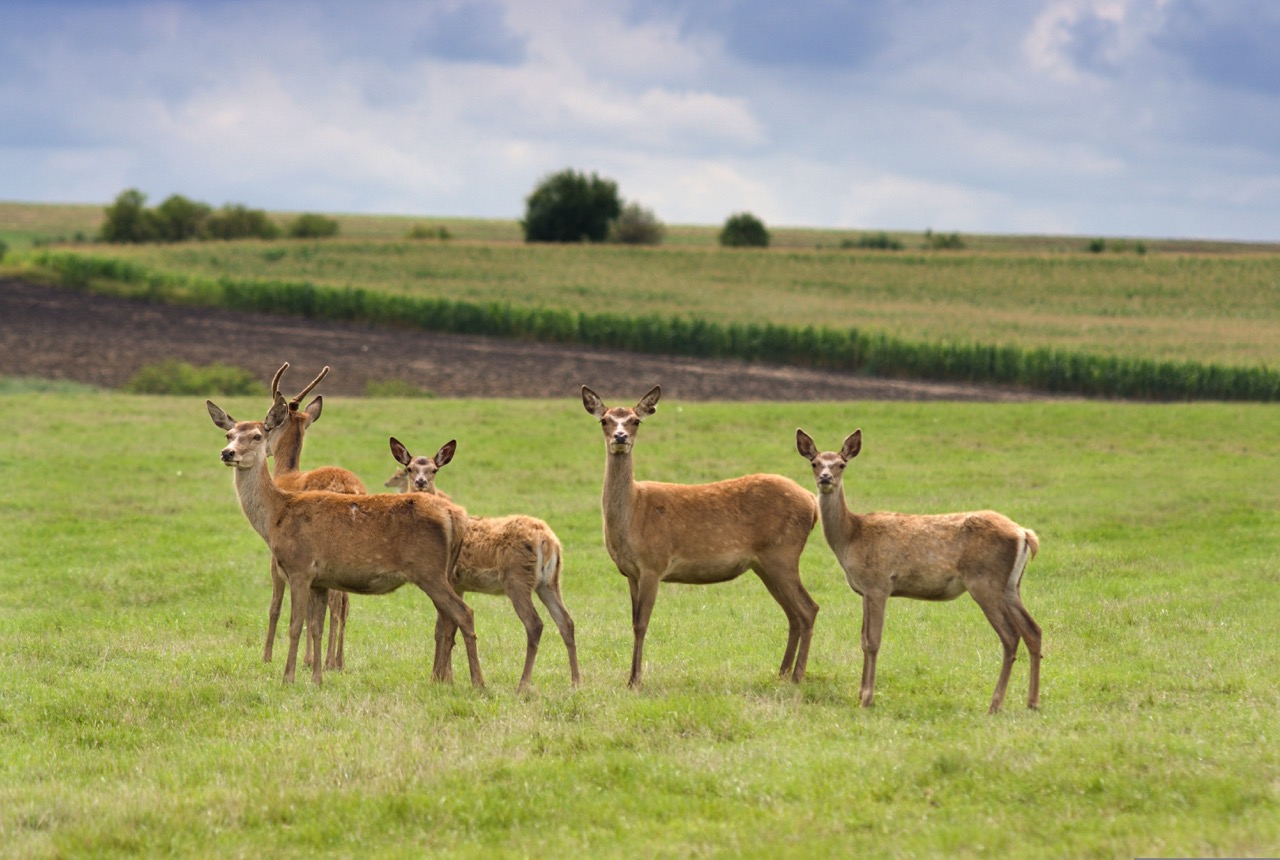
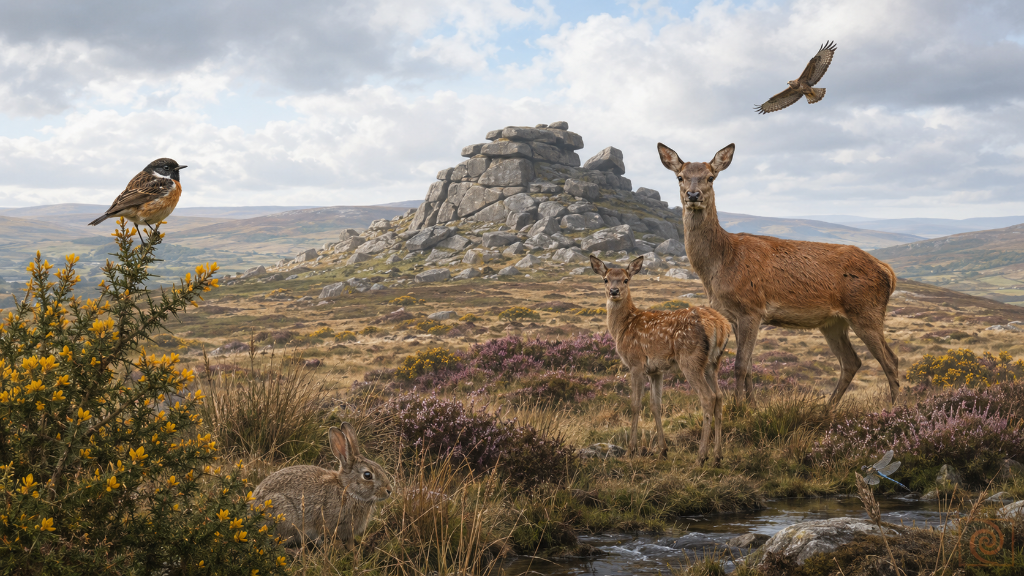
<h2>Dartmoor ponies</h2> <p>Hardy, ancient and utterly at home on the high moor — Dartmoor ponies are the wildlife encounter most visitors remember. You'll find them grazing on open moorland near most of the accessible tors and car parks, and they're generally unbothered by walkers. Don't be tempted to feed them. It disrupts their natural diet and makes them approach roads.</p> <ul><li><strong>Likelihood:</strong> Very high in most areas year-round</li><li><strong>Best time:</strong> Any time of day</li><li><strong>Where to look:</strong> Open moor near Haytor, Hound Tor, Dartmeet, Merrivale, Postbridge</li><li><strong>Quick note:</strong> Never feed them. Keep dogs under close control near ponies.</li></ul> <h2>Buzzards</h2> <p>Buzzards are the most commonly seen bird of prey on Dartmoor. Their broad wings and mewing call make them distinctive once you know what to look for. They soar on thermals for much of the day and perch on fence posts and dead trees near woodland edges.</p> <ul><li><strong>Likelihood:</strong> High on most visits</li><li><strong>Best time:</strong> Mid-morning to early afternoon as thermals build</li><li><strong>Where to look:</strong> Woodland fringes, valley edges, fence lines, soaring above open moor</li><li><strong>Quick note:</strong> Often heard before seen — listen for a high cat-like mewing call</li></ul> <h2>Skylarks</h2> <p>One of the defining sounds of Dartmoor in spring and summer. Skylarks rise almost vertically from the moor and deliver an extraordinary continuous song from high above. They're small and easy to miss visually, but their song is unmistakable once you've heard it.</p> <ul><li><strong>Likelihood:</strong> High in spring and summer</li><li><strong>Best time:</strong> Morning, from April through July</li><li><strong>Where to look:</strong> Open moorland away from tracks and crowds</li><li><strong>Quick note:</strong> Look up after you hear the song and scan for a tiny hovering speck</li></ul> <h2>Stonechats and meadow pipits</h2> <p>Two of the most characteristic small birds of the open moor. Stonechats — the male has a striking orange breast and black head — perch conspicuously on gorse and heather and give a clicking 'tsak tsak' call. Meadow pipits are more subtle but abundant, fluttering up and parachuting down in their song flight across the open ground.</p> <ul><li><strong>Likelihood:</strong> High, especially in gorse and heather areas</li><li><strong>Best time:</strong> Year-round, livelier in spring and summer</li><li><strong>Where to look:</strong> Gorse patches, moorland edges, rocky slopes</li><li><strong>Quick note:</strong> Stonechats will often watch you from a prominent perch — let them come to you</li></ul> <h2>Rabbits</h2> <p>Common and widespread across the moor, rabbits are often seen in good numbers in the early morning and evening around moorland fringes, bracken slopes and near farms. They're quick to bolt, so early quiet walks offer the best views.</p> <ul><li><strong>Likelihood:</strong> High near fringes and bracken areas</li><li><strong>Best time:</strong> Early morning and dusk</li><li><strong>Where to look:</strong> Moorland edges, bracken slopes, near farm boundaries</li><li><strong>Quick note:</strong> Move quietly and pause often — freeze if you spot them</li></ul> <h2>Deer</h2> <p>Red deer are present on Dartmoor, though less commonly seen than on Exmoor. Roe deer are more widespread and more frequently spotted in quieter areas. Deer are most active at dawn and dusk and tend to use woodland edges and valley bottoms. Autumn is the best time for red deer, when stags may be heard roaring during the rut.</p> <ul><li><strong>Likelihood:</strong> Moderate — patience and early starts help</li><li><strong>Best time:</strong> Dawn and dusk; October for red deer rut</li><li><strong>Where to look:</strong> Valley woodland, moorland fringes, quieter tracks</li><li><strong>Quick note:</strong> Binoculars make a significant difference for deer watching</li></ul> <h2>Foxes</h2> <p>Foxes are widespread across the moor but mostly nocturnal. Early morning walkers occasionally encounter them crossing open ground before retreating to cover. They're often heard rather than seen — the eerie bark of a vixen carries far on still nights.</p> <ul><li><strong>Likelihood:</strong> Low to moderate — mostly luck</li><li><strong>Best time:</strong> Dawn; winter mornings</li><li><strong>Where to look:</strong> Moorland edges, bracken and scrub areas</li><li><strong>Quick note:</strong> Worth scanning open ground from elevated positions in the early morning light</li></ul> <h2>Adders and reptiles</h2> <p>Dartmoor has a healthy population of adders, Britain's only venomous snake. They're most reliably seen on warm spring days when they bask on south-facing slopes, rocky outcrops and sunny heather banks. Slow worms and common lizards are also present and easier to spot.</p> <ul><li><strong>Likelihood:</strong> Low to moderate — highly seasonal</li><li><strong>Best time:</strong> April to June, sunny mornings</li><li><strong>Where to look:</strong> South-facing rocky slopes, heather banks, old walls</li><li><strong>Quick note:</strong> Give adders plenty of space and do not attempt to handle them</li></ul> <h2>Dragonflies and stream life</h2> <p>Dartmoor's streams and boggy mires support a range of dragonflies and damselflies in summer, including the golden-ringed dragonfly — one of Britain's largest and most spectacular. Dippers and grey wagtails work the faster streams year-round.</p> <ul><li><strong>Likelihood:</strong> Good near streams in summer</li><li><strong>Best time:</strong> June to August, warm sunny days</li><li><strong>Where to look:</strong> Streams, bogs, valley bottoms — particularly West Dart and Swincombe</li><li><strong>Quick note:</strong> Look for hovering golden-ringed dragonflies over fast-flowing water</li></ul>

Seasonal field notes

Spring (March–May): The moor comes alive. Skylarks, meadow pipits and stonechats in song. Dartmoor ponies may have foals. Adders basking on warm south-facing slopes. First dragonflies by late May on lower streams.

Summer (June–August): Warm and often dry. Golden-ringed dragonflies on fast streams. Young birds of the year becoming visible. Quieter bird song by late July. Bumblebees and butterflies on heather. High visitor numbers mean wildlife can be more wary near popular areas.

Autumn (September–November): Red deer rut from mid-October — listen for stag roaring at dawn. Fungi appearing in damp areas. Migrating birds including ring ouzel and wheatear passing through. Colours extraordinary on the high moor.

Winter (December–February): Sparse but rewarding. Short-eared owls possible on open moor. Ravens displaying over tors. Deer easier to see without leaf cover. Cold, clear days often offer the best visibility for scanning open ground.

3moors Community

Recent conditions or questions about this walk?

Join the 3moors Community to ask about path conditions, parking, wildlife sightings and local tips.

Join the 3moors Community

Discussion takes place in our Facebook community.

Join the 3moors Community for path conditions & local tips.

Join

Guide information is based on careful research and local knowledge. Content is reviewed regularly and updated as new information becomes available.

Ready to explore?

Find a walk that suits you

Browse walks

3moors Walk Planner

Build routes. Export GPX files. Explore further.

Build custom walking routes across Dartmoor, Exmoor and Bodmin Moor using the 3moors Walk Planner. Create your own routes, combine walks into bigger adventures and export GPX files.

Open Walk Planner
3moors

A trusted reference and companion for people who genuinely explore Dartmoor, Exmoor and Bodmin Moor. Built from real experience of the landscape, not tourism marketing.

Covering Dartmoor, Exmoor and Bodmin Moor.

500+ Walks·500+ Places·200+ Wildlife Guides

Member Benefits

Free membership unlocks planning tools, saved walks and personal explorer collections.

© 2026 3moors. All content is original unless stated otherwise.

Independent  •  No sponsored rankings  •  Real routes  •  Real places  •  Built by people who genuinely explore Dartmoor, Exmoor and Bodmin Moor