
Wildlife
Wildlife Across the Three Moors
From open moorland birds to hidden coastal life — what to look for, when, and where.
The moors are alive, if you know where to look.
Dartmoor, Exmoor and Bodmin Moor can feel wide, quiet and almost empty at first glance. But spend a little time here, and the landscape begins to shift. Movement catches your eye. Sound carries further. What felt still starts to feel alive.
Skylarks rise unseen above the grass. Deer step quietly along valley edges at first light. In the right season, the moor changes again, colour, behaviour and life all moving with it. Even along the coast, seals drift through the water and larger shapes pass beyond the cliffs.
Seeing wildlife here isn't about luck. It's about slowing down, noticing more, and understanding the rhythm of the place. This guide gives you that starting point.
Start here
What do you want to see?
Choose a starting point and explore wildlife by experience, season or habitat.
 Beginners
Easy to spot
Start with species you're most likely to notice on your first visit.
Explore →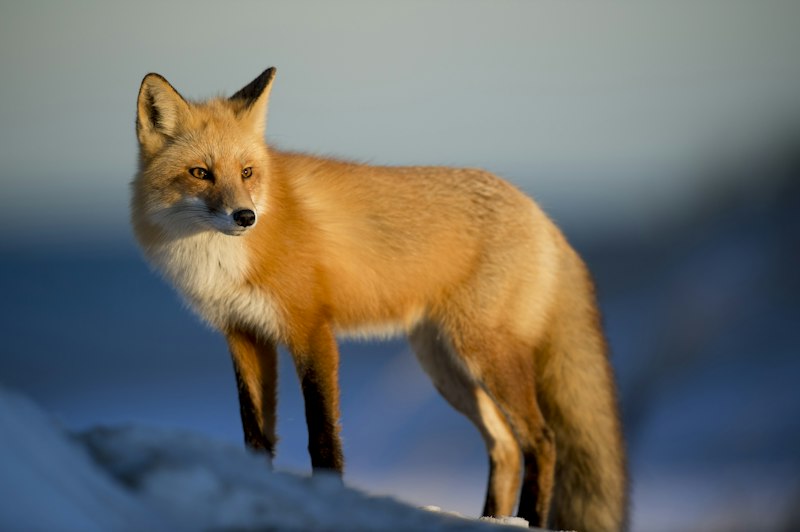 Seasonal
Seasonal highlights
What's happening right now across the moors.
Explore →IconicBig wildlife moments
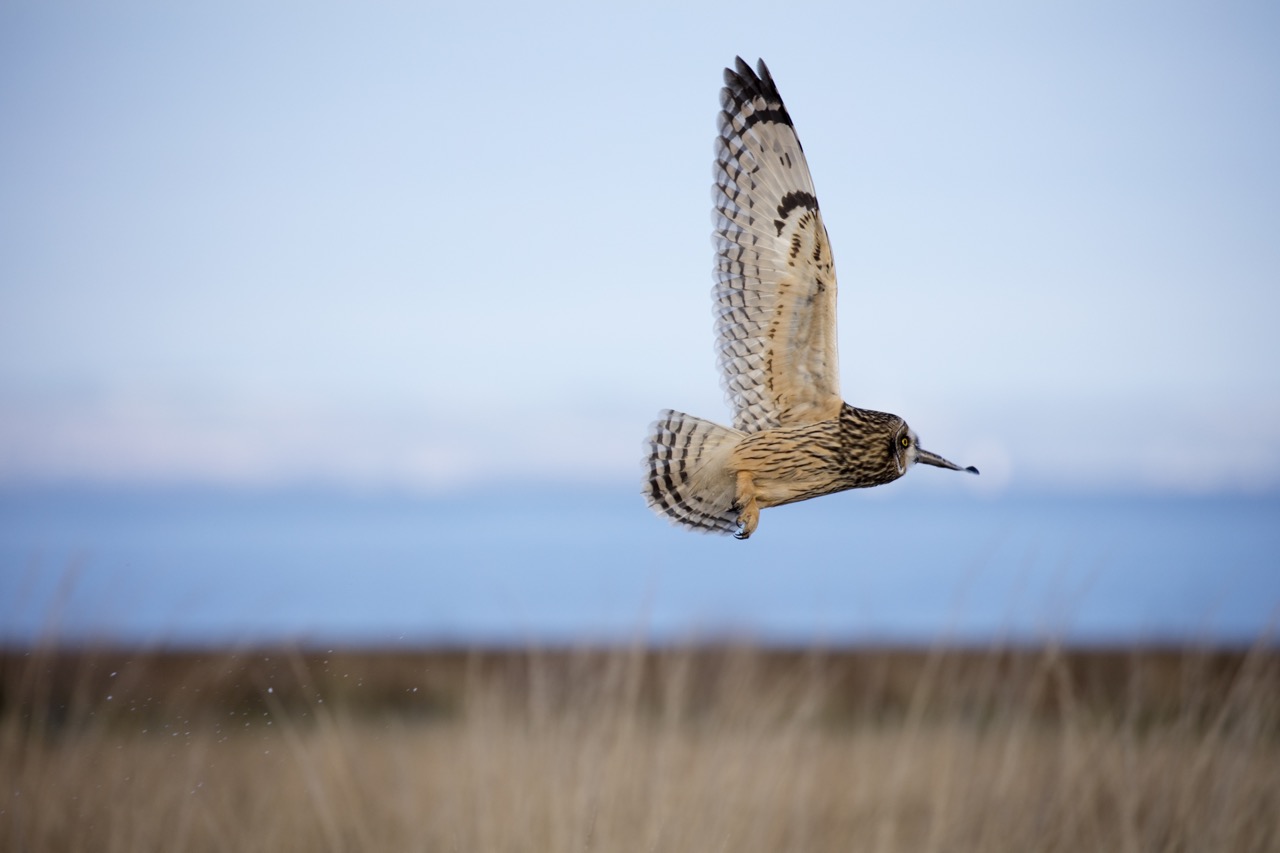
Deer, birds of prey, skylarks and the sightings people remember.
Explore → Coastal
Coastal & marine life
Seals, jellyfish, sharks and hidden coastal wildlife.
Explore →Seasonal
What's happening right now
Wildlife changes fast on the moors — here's what to look for this season.
Spring

Summer
NowPeak visibility for most species. Long days, open ground, and warm air make this the easiest season to explore.
Autumn
Experiences
Wildlife moments you shouldn't miss
Some encounters stay with you long after the walk is over.
Hearing a skylark high above open moor
April–June, Dartmoor or Exmoor. A sustained, rising song that fills the air.
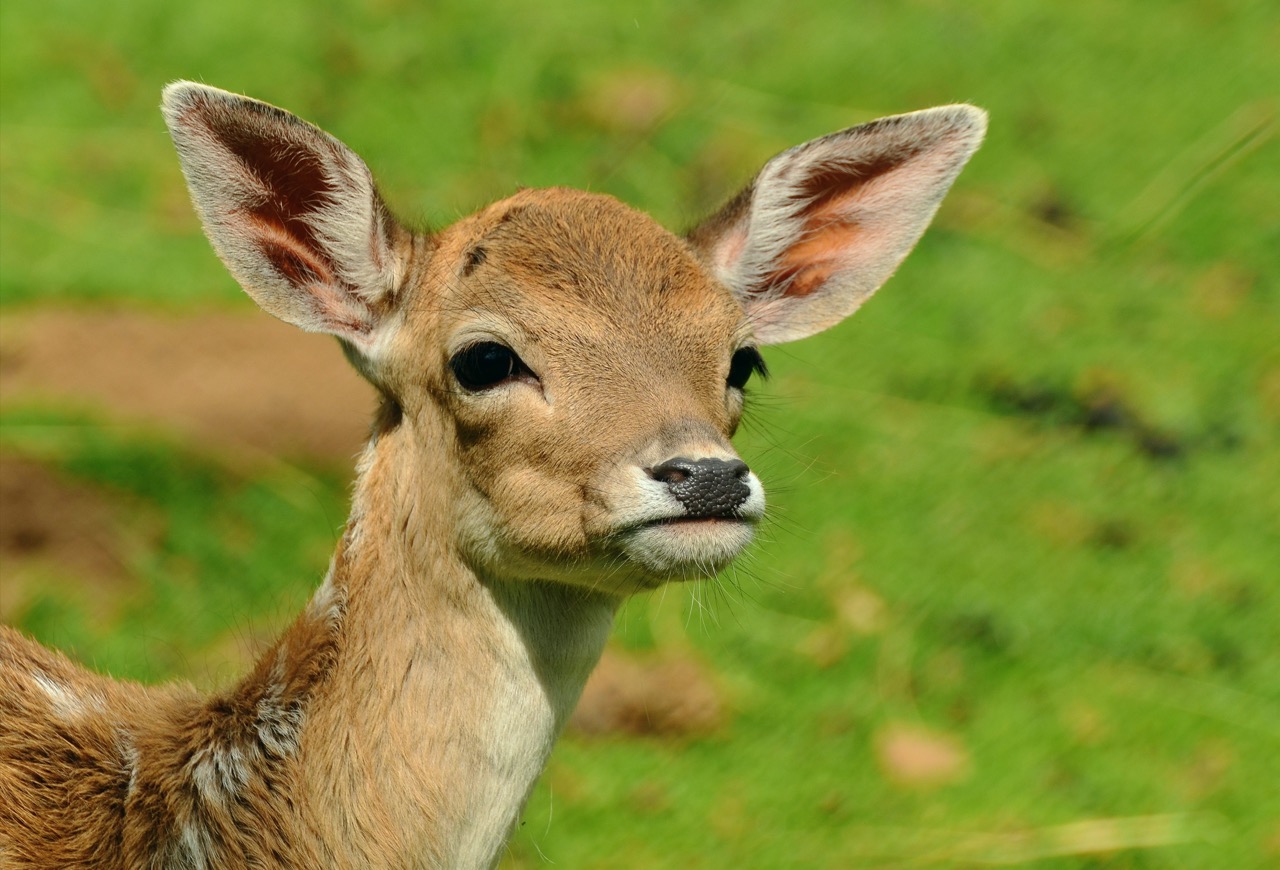
Watching red deer during the autumn rut
October on Exmoor. Stags roar across valleys — one of Britain's great wildlife spectacles.
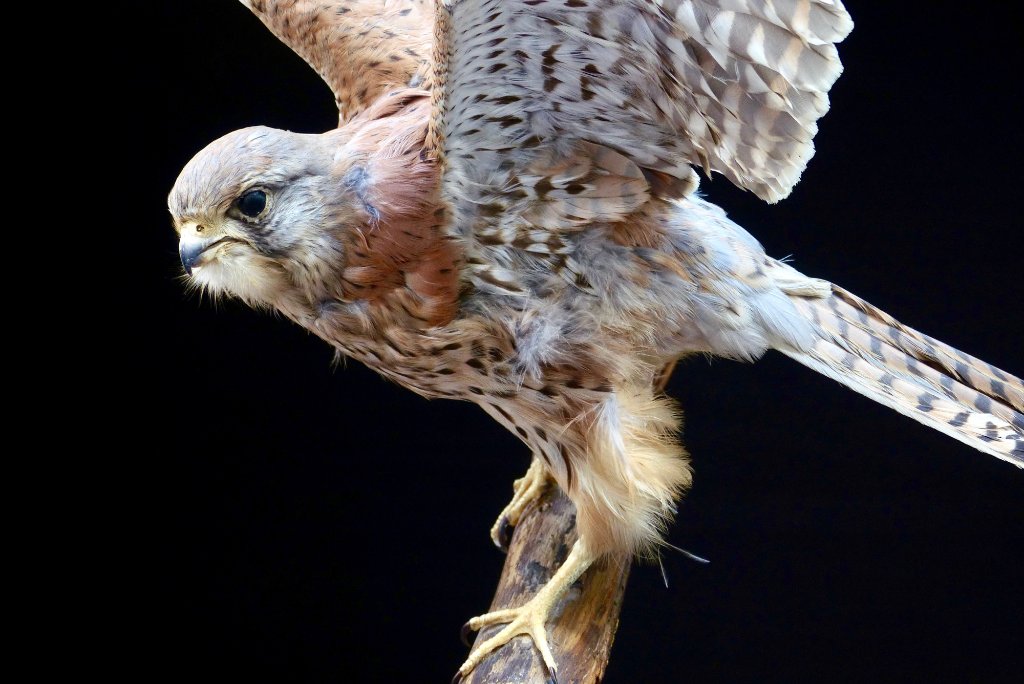
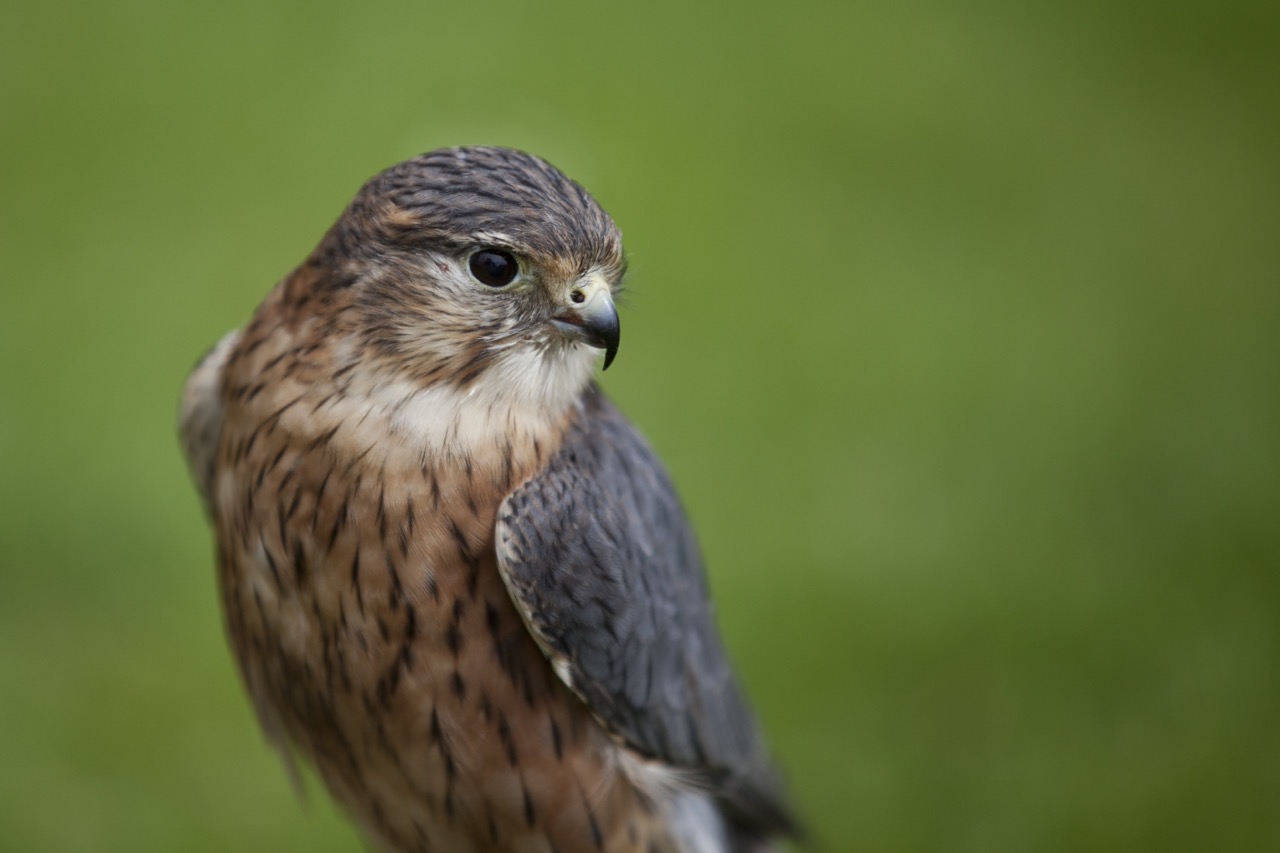
Seeing a kestrel hover perfectly still
Any season, any moor. Motionless in the wind, eyes fixed on the ground below.
Finding fungi after autumn rain
September–November along woodland edges. Hundreds of species — many found nowhere else.
Spotting seals along the coast
North Devon and Cornwall year-round. Haul-out sites within an hour of all three moors.
Catching life beneath the water's surface
Rockpools, snorkelling bays, and clear coastal waters. The South West is extraordinary.
Browse by type
Browse wildlife by type
Explore the moors by the kind of wildlife you want to understand.
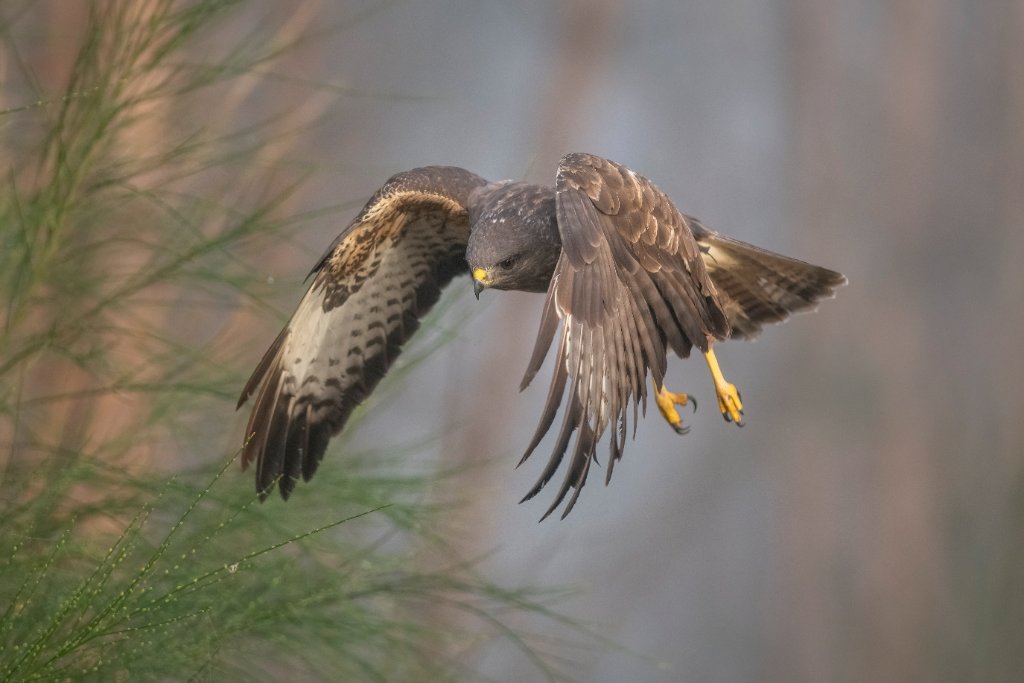
The sound and movement of the moor.
Birds
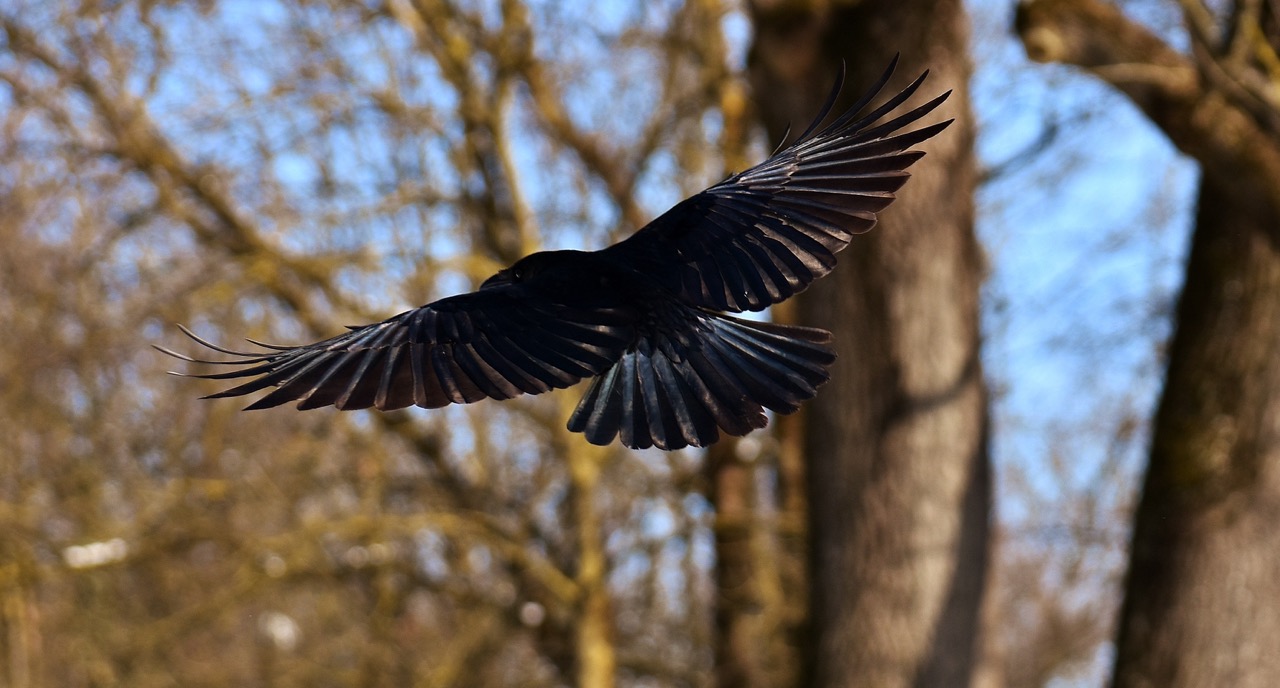
Skylarks, buzzards, ravens and moorland birds.
The animals that shape the landscape.
Mammals
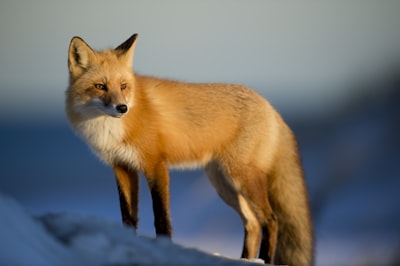
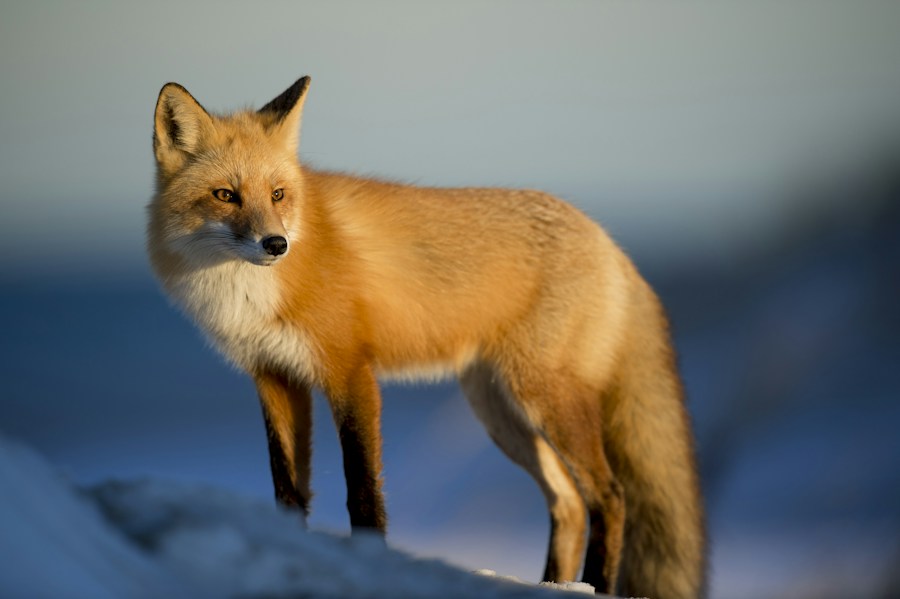
Deer, ponies, foxes, otters and moorland animals.
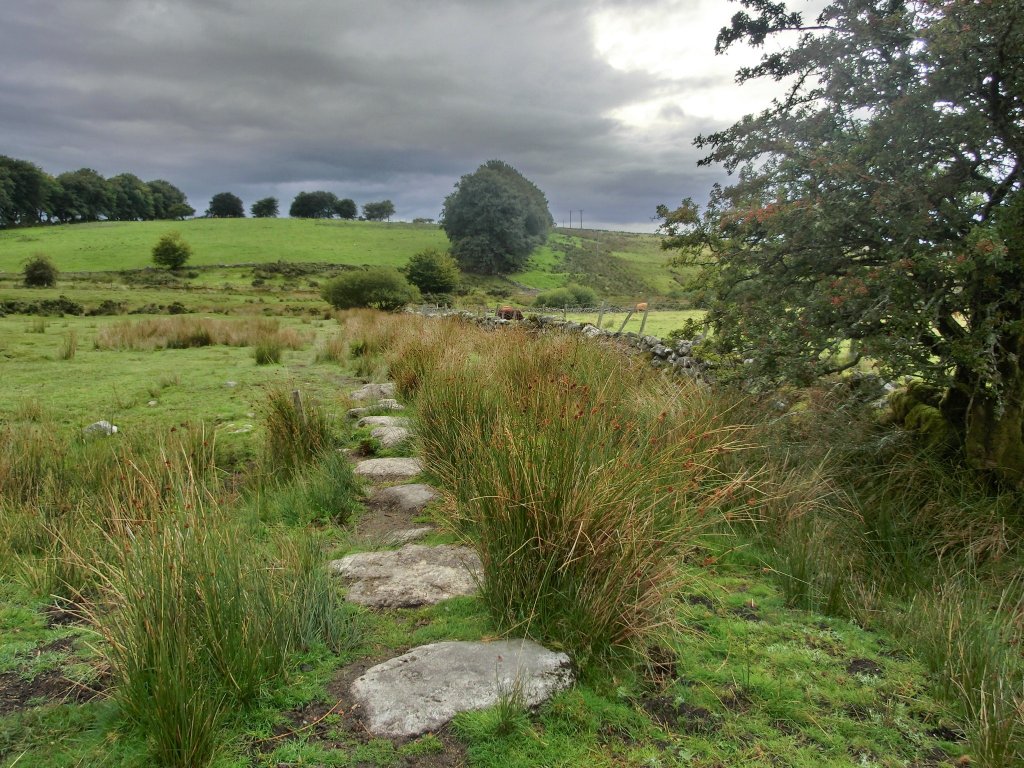
The colours and textures of the seasons.
Plants
Heather, gorse, bog plants and moorland flora.
The wild just beyond the shore.
Marine Life
Seals, dolphins, jellyfish, sharks and coastal species.
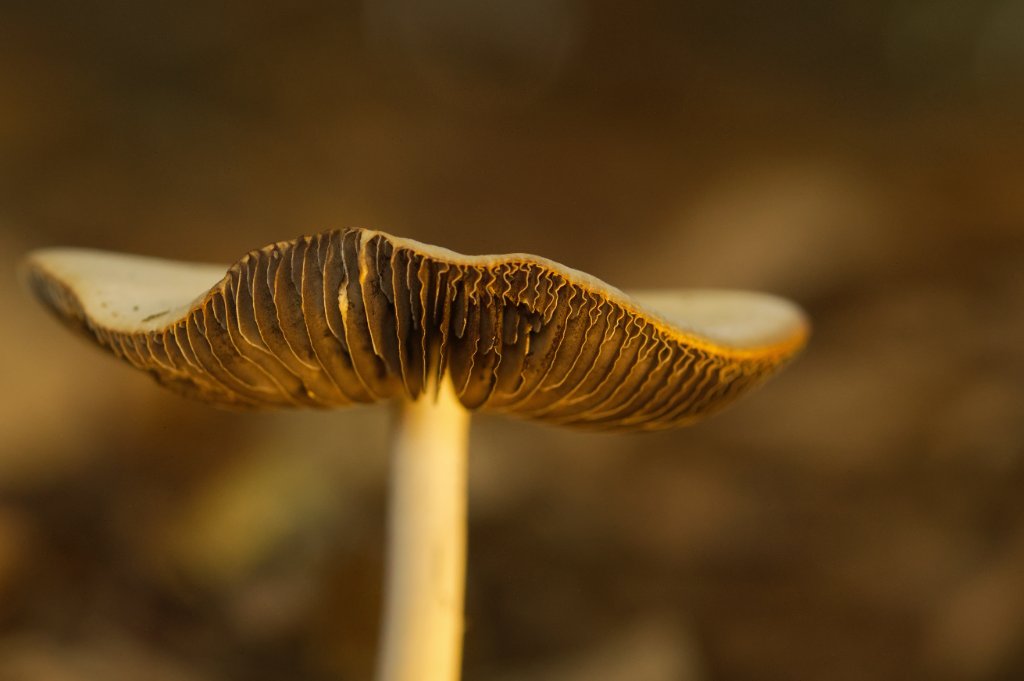
Short-lived, hidden and fascinating.
Fungi
Autumn mushrooms, bracket fungi and moorland species.
Wildlife Guides
Wildlife guides & spotting advice
In-depth guides to help you find, identify and understand the wildlife of the three moors.
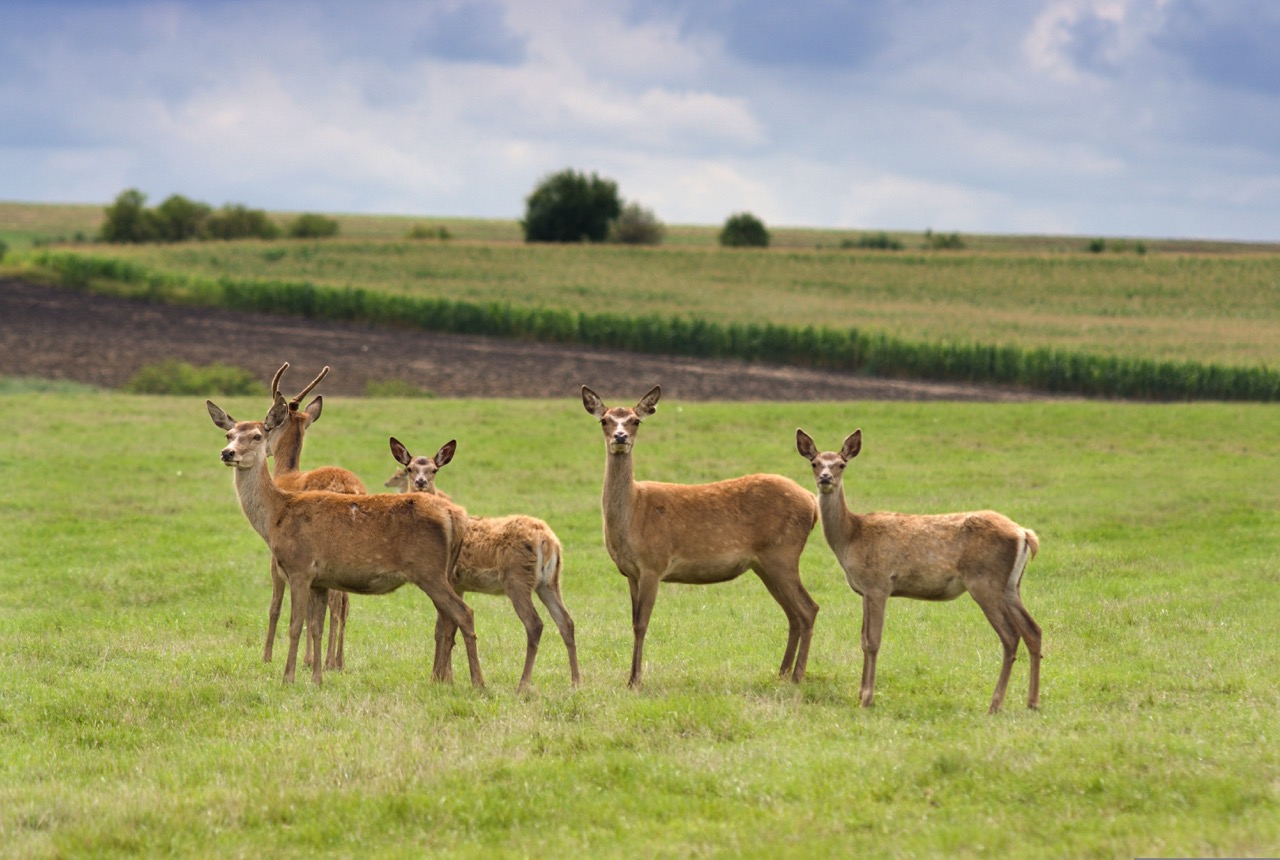
Where to See Deer on the Moors
A realistic guide to seeing red deer and roe deer across Exmoor, Dartmoor, Bodmin Moor and quieter moorland edges.
Read guide →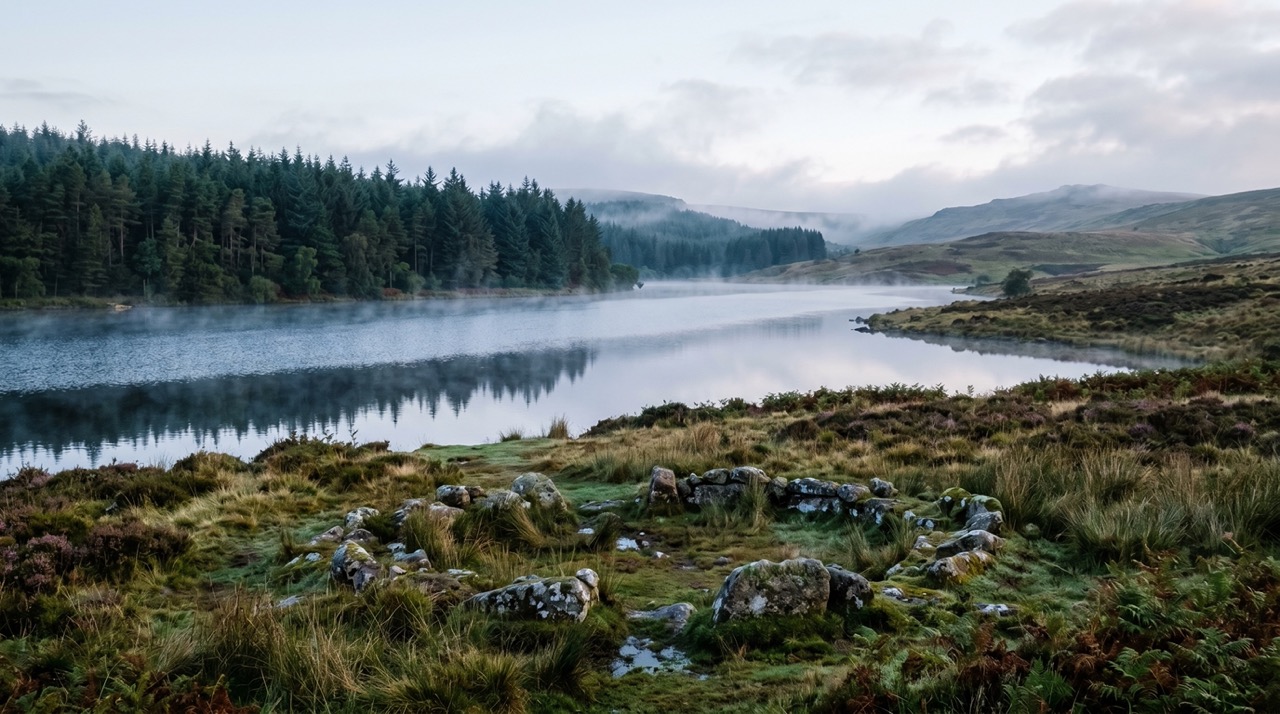
Wildlife You’ll Hear Before You See on the Moors
A sound-led guide to moorland wildlife — from skylarks above you to buzzards calling across valleys.
Read guide →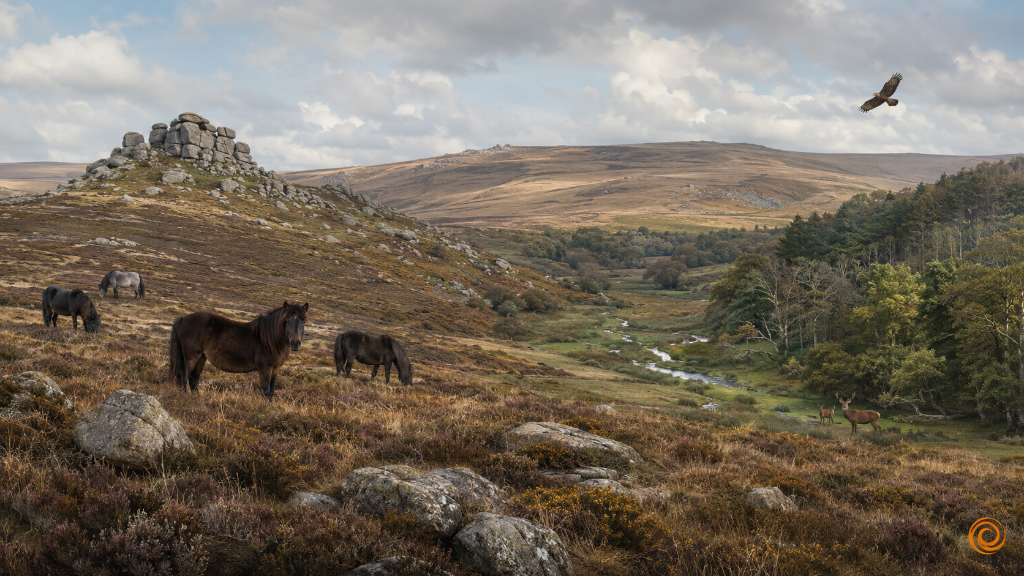
Best Places to See Wildlife on Dartmoor
A practical guide to where you're most likely to see wildlife on Dartmoor, from open moorland to quiet valleys and woodland edges.
Read guide →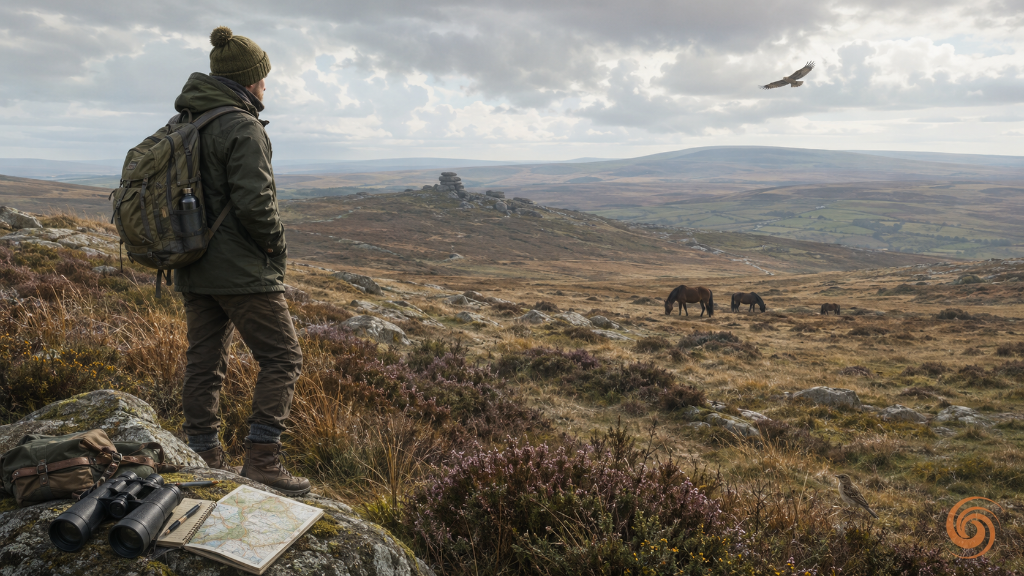
What to Bring for Wildlife Spotting on the Moor
A simple checklist of what to bring if you want to spot more wildlife on the moors, from binoculars to clothing, timing and patience.
Read guide →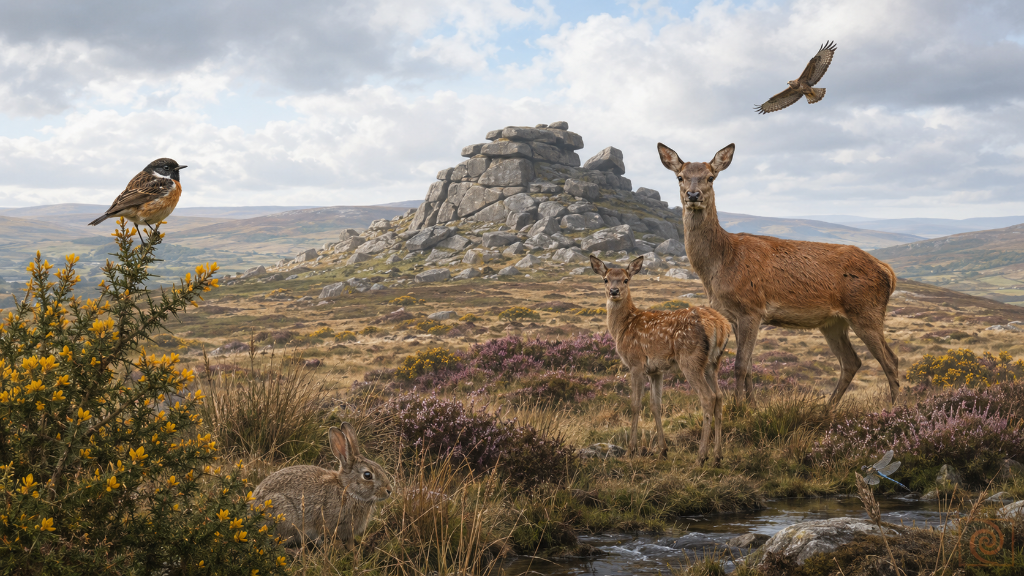
Wildlife on Dartmoor: What You’ll Actually See
A realistic field guide to Dartmoor wildlife — what you're most likely to see, when to go, and how to improve your chances of memorable encounters.
Read guide →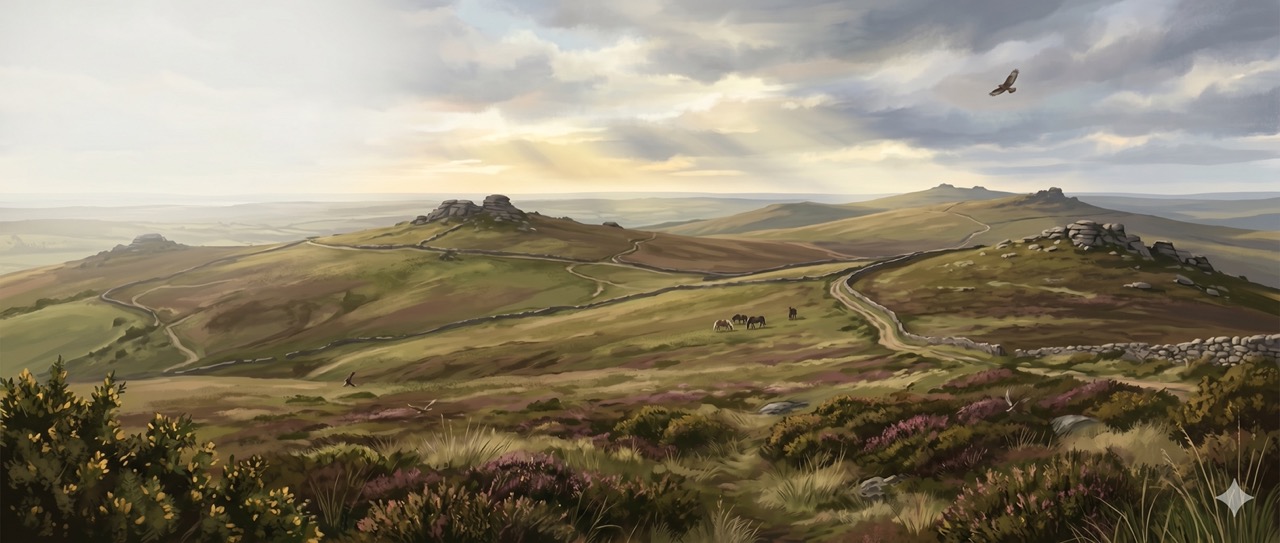
Best Time of Day to See Wildlife on Dartmoor
When to head out if you want a better chance of seeing wildlife on Dartmoor — from dawn birdsong to dusk deer watching.
Read guide →Key species
Start spotting — species worth knowing
These are the species that define the moors — once you recognise them, every walk becomes more rewarding.
BirdBuzzard
Often heard before it's seen — a slow, circling silhouette above the valleys.
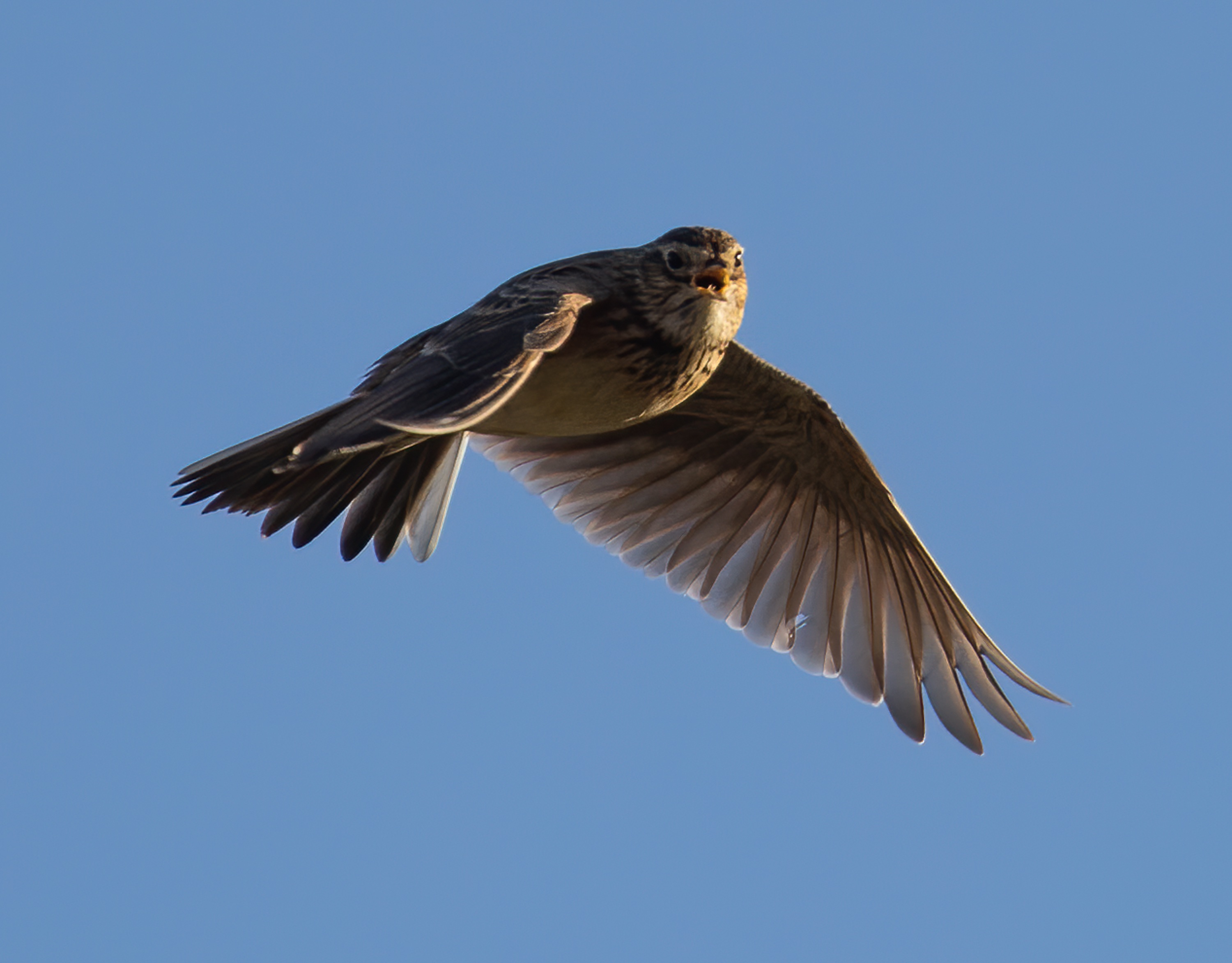 Bird
BirdSkylark
Rises almost vertically from the grass, singing continuously as it climbs.
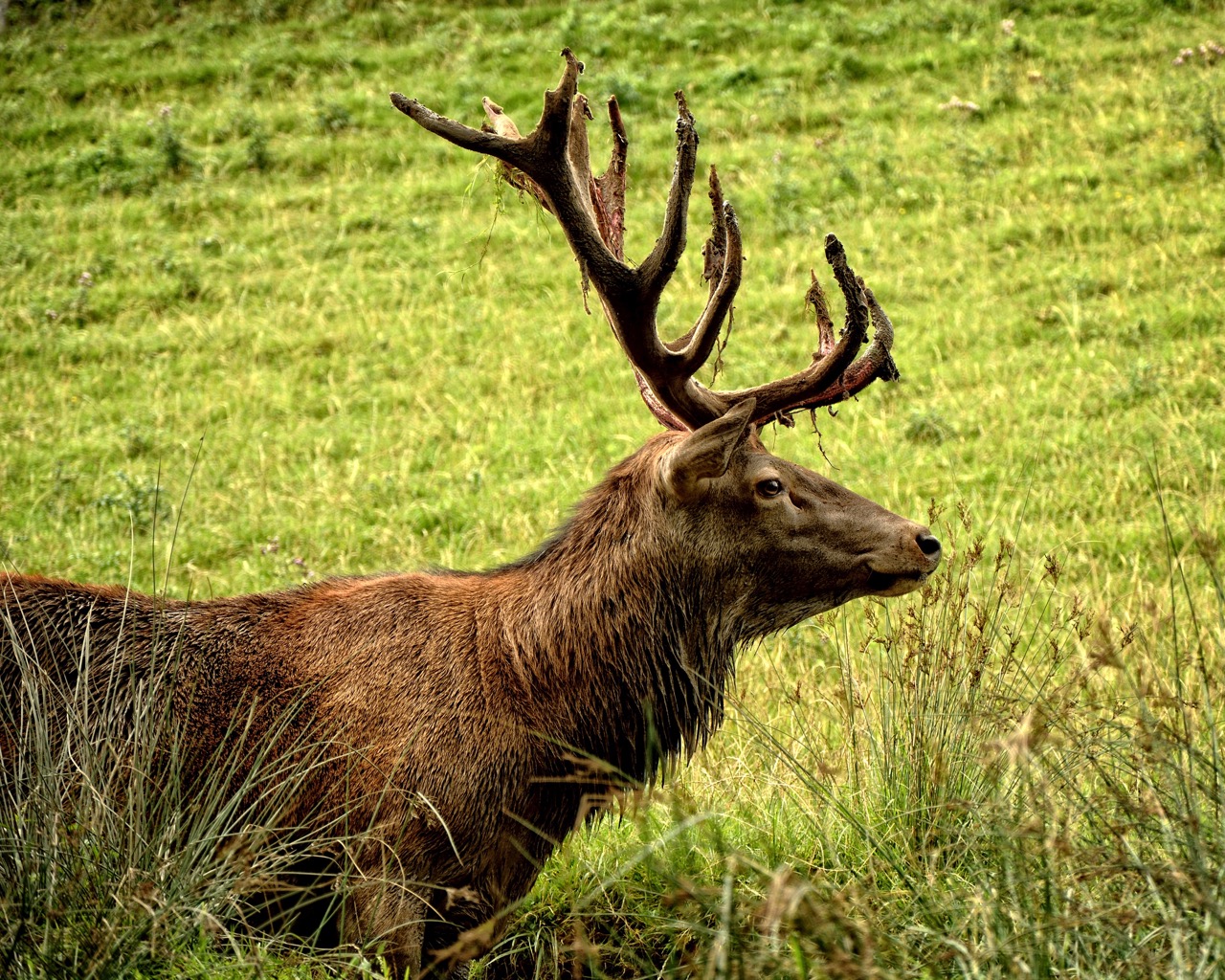 Mammal
Red Deer
Britain's largest land mammal. Look for them on open ground at dusk.
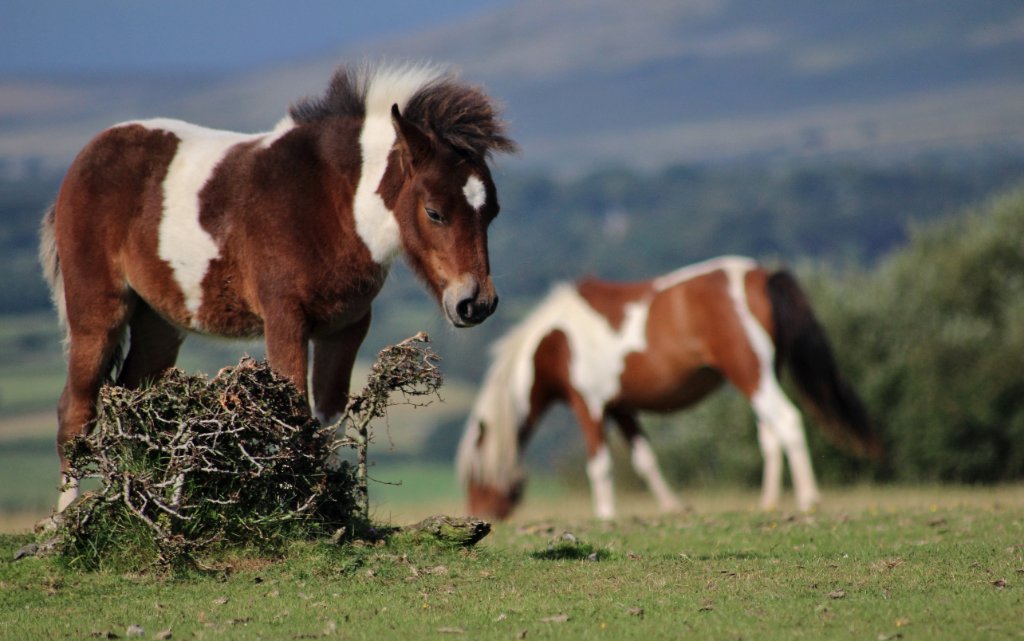 Mammal
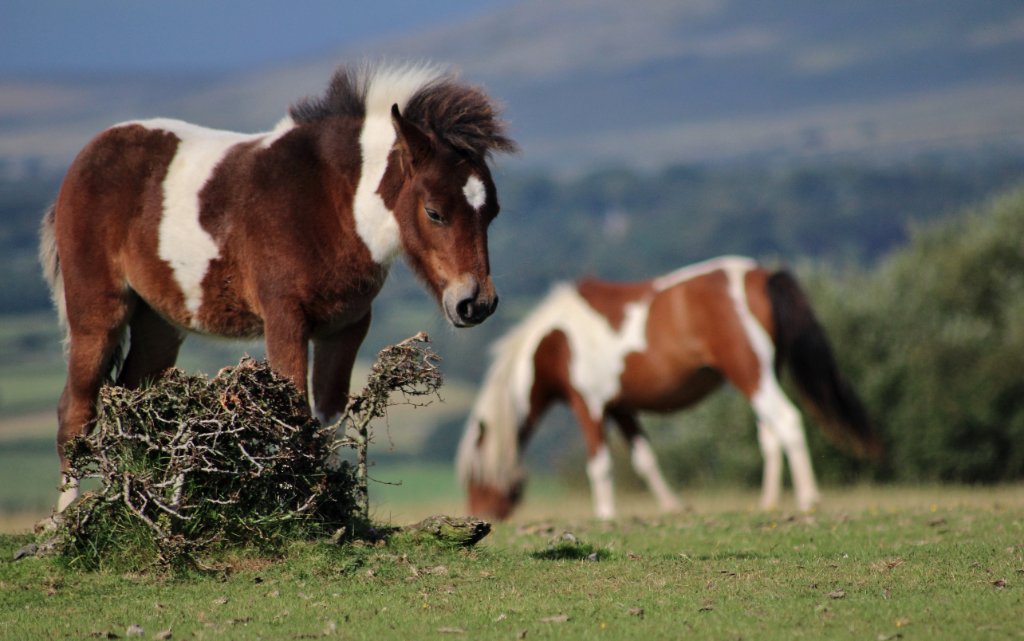
Dartmoor Pony
A native breed roaming free on the moor — one of the oldest in Britain.
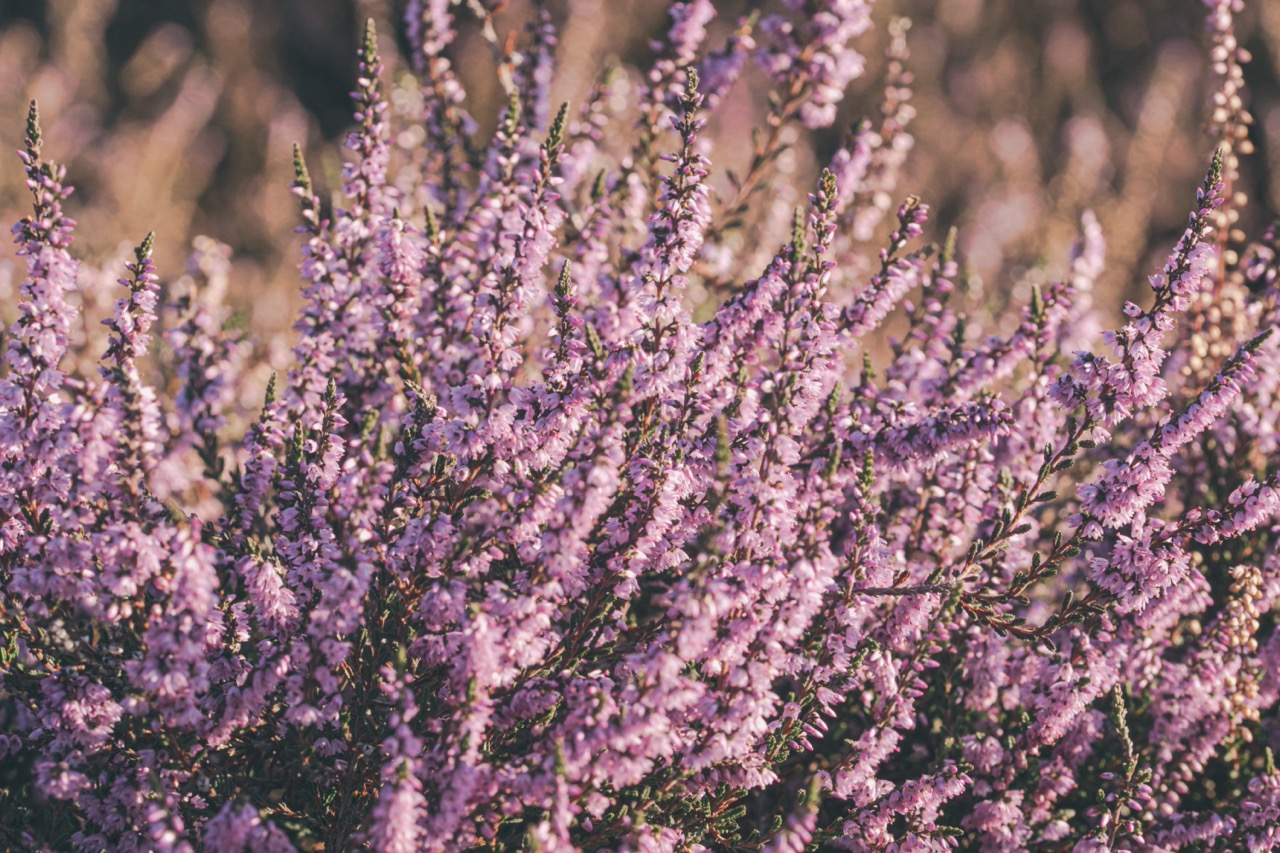 Plant
PlantHeather
Colours the moor deep purple every August — one of the defining sights.
 Marine
Moon Jellyfish
Translucent and otherworldly — drifts in sheltered bays and harbours through summer.

Beyond the moor
Beyond the moor — the coastal wild
The story doesn't end at the edge of the moor.
Along the coast, another world opens up — from seals resting on rocks to sharks moving through deeper water offshore. The South West has some of the richest coastal waters in Britain, all within an hour's drive from any of the three moors.
Explore marine life →Community
Seen something interesting?
Add your wildlife sightings and help build a living picture of what's being seen across the moors and coast.