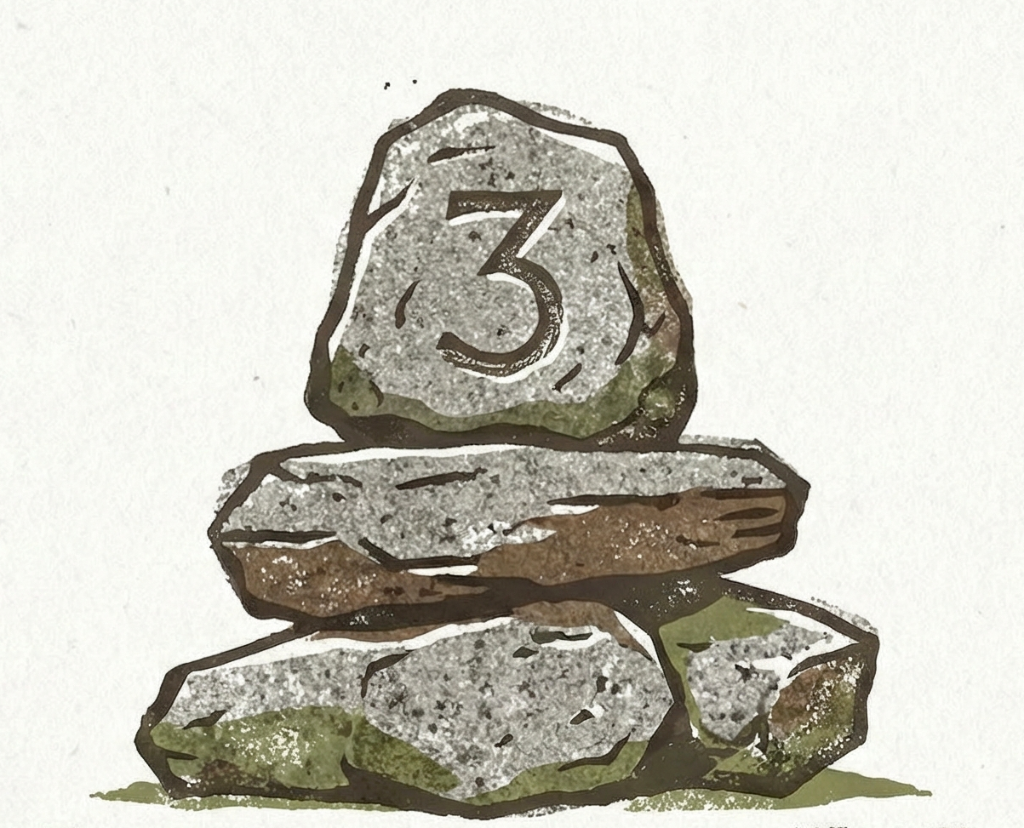

Tors & Stone Circles Walks
Granite outcrops and Bronze Age monuments — the defining landmarks of the South West's ancient moorland.
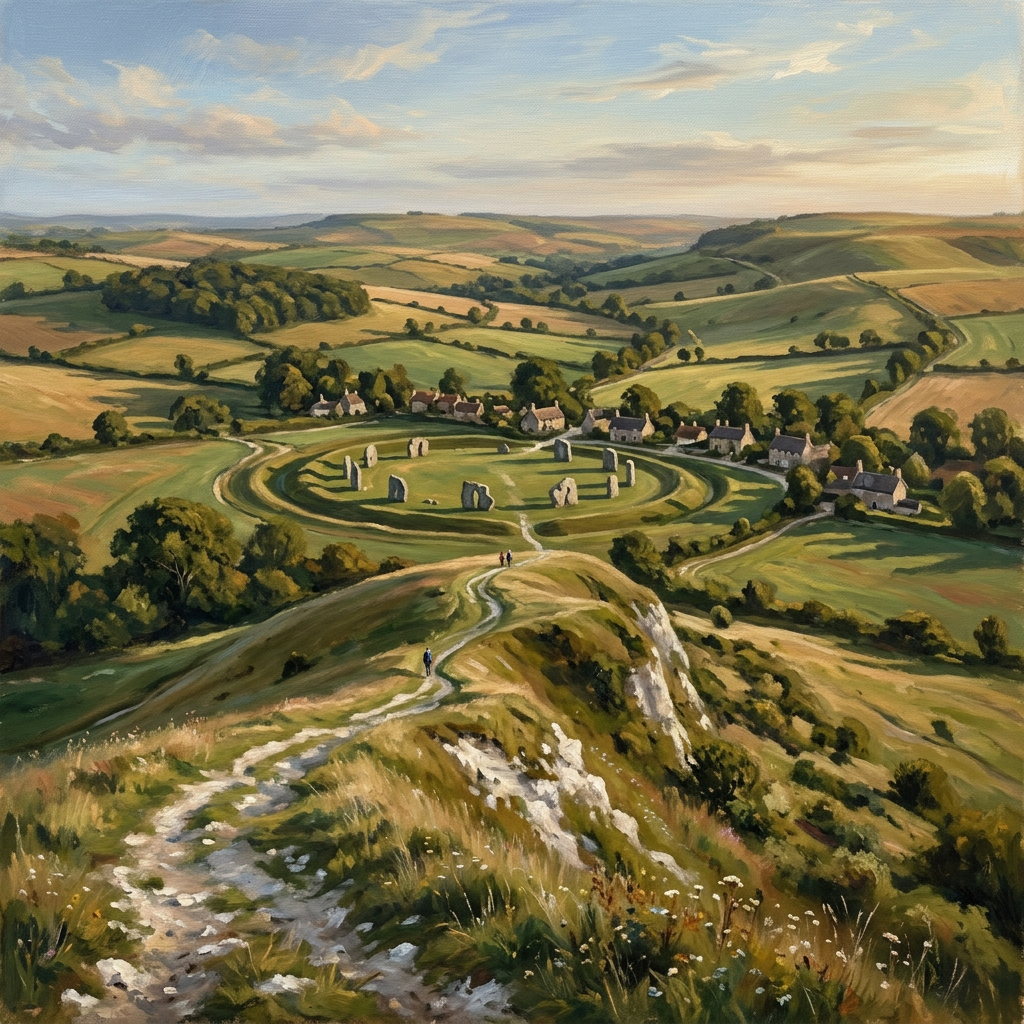
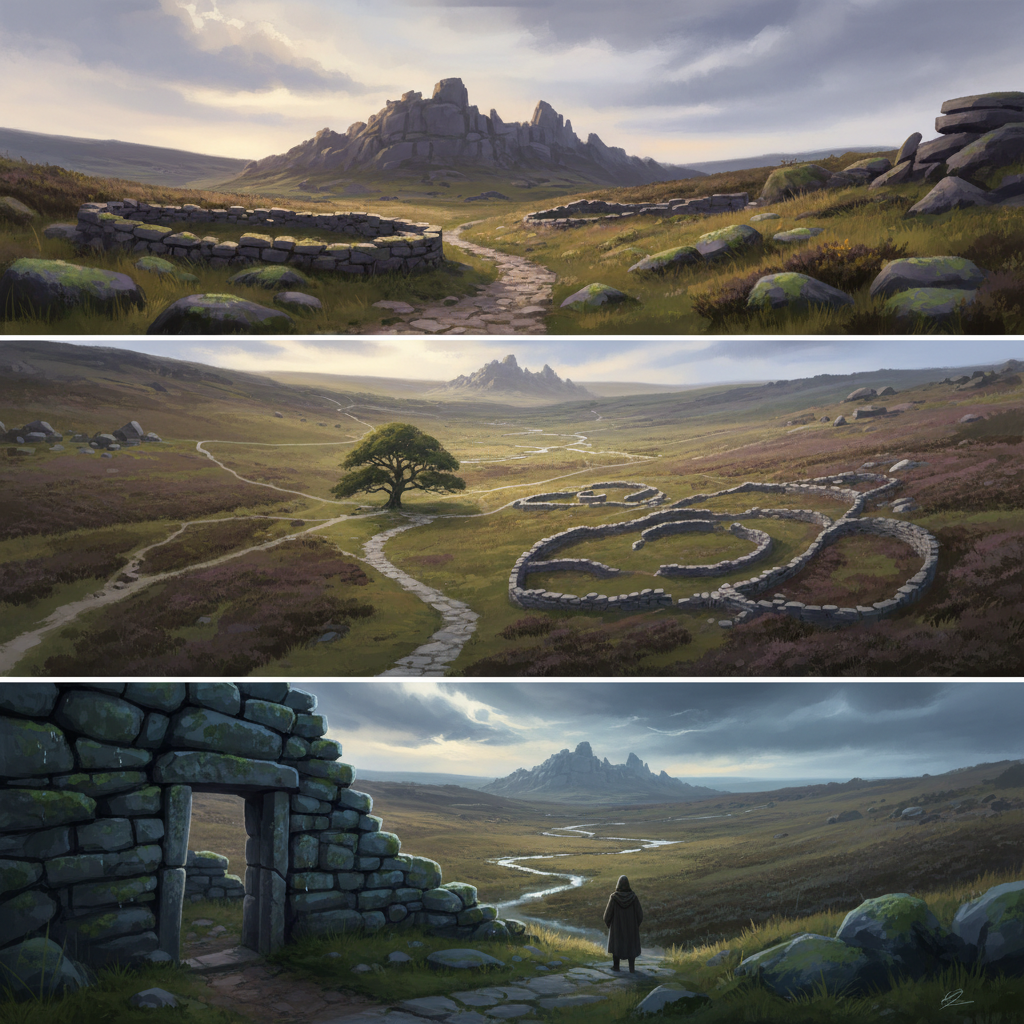
Dartmoor's tors and Bodmin Moor's stone circles are the most visible expressions of a landscape that has been shaped by both geology and human occupation over five thousand years. Neither exists in isolation — the walks here connect multiple sites within coherent routes.
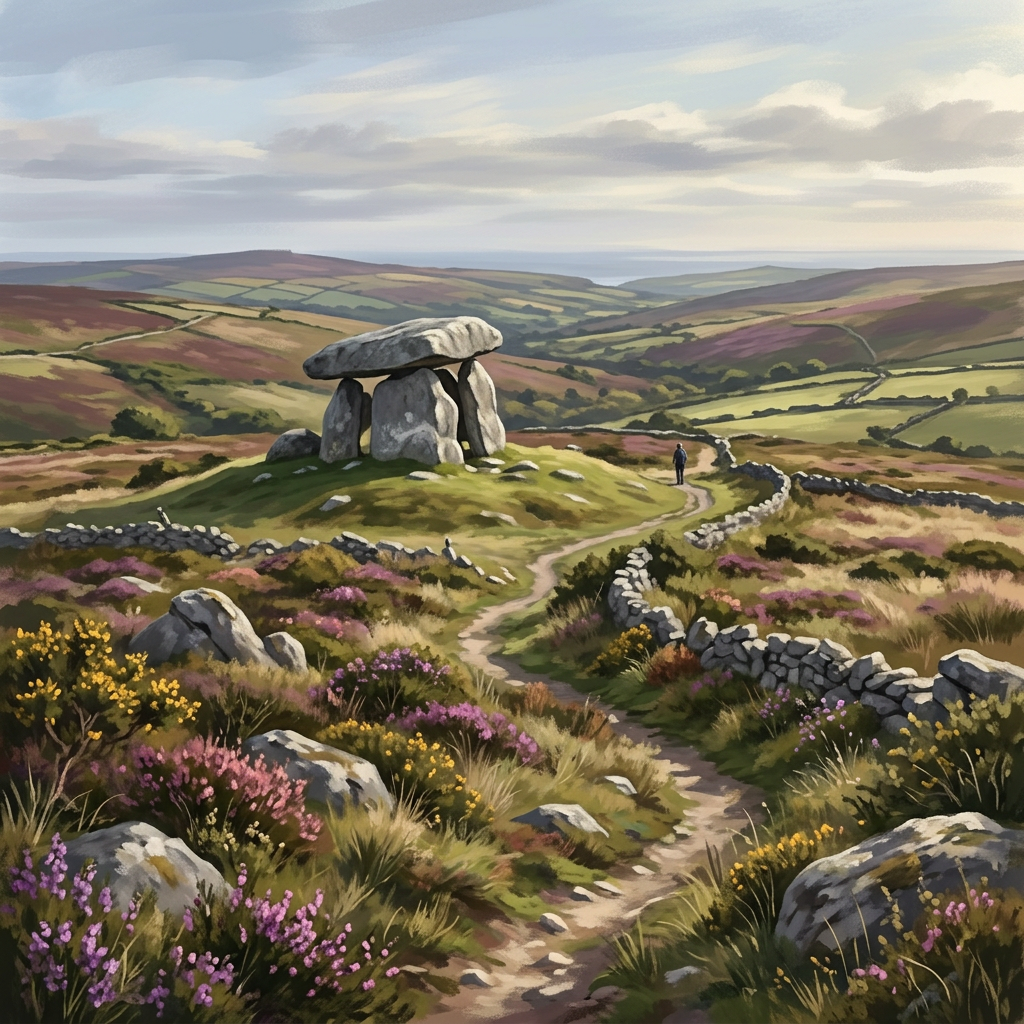
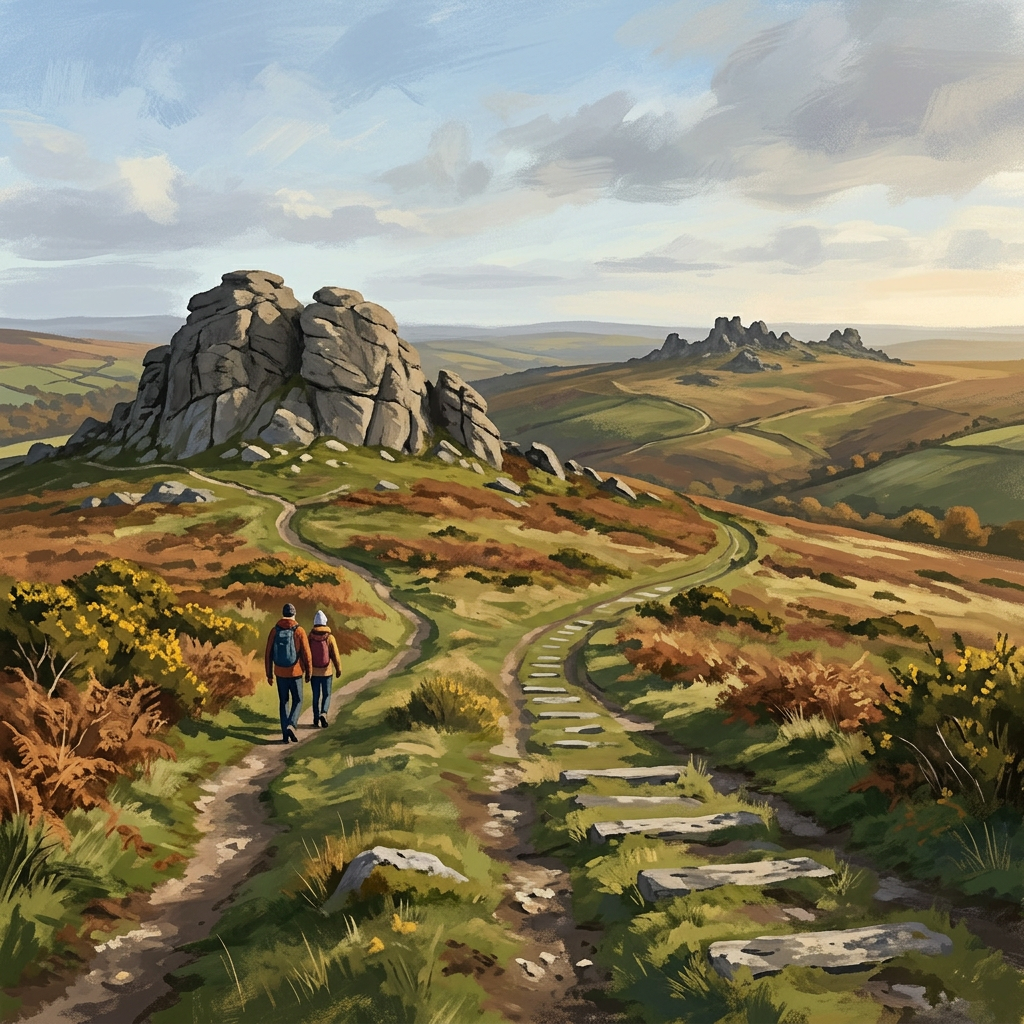
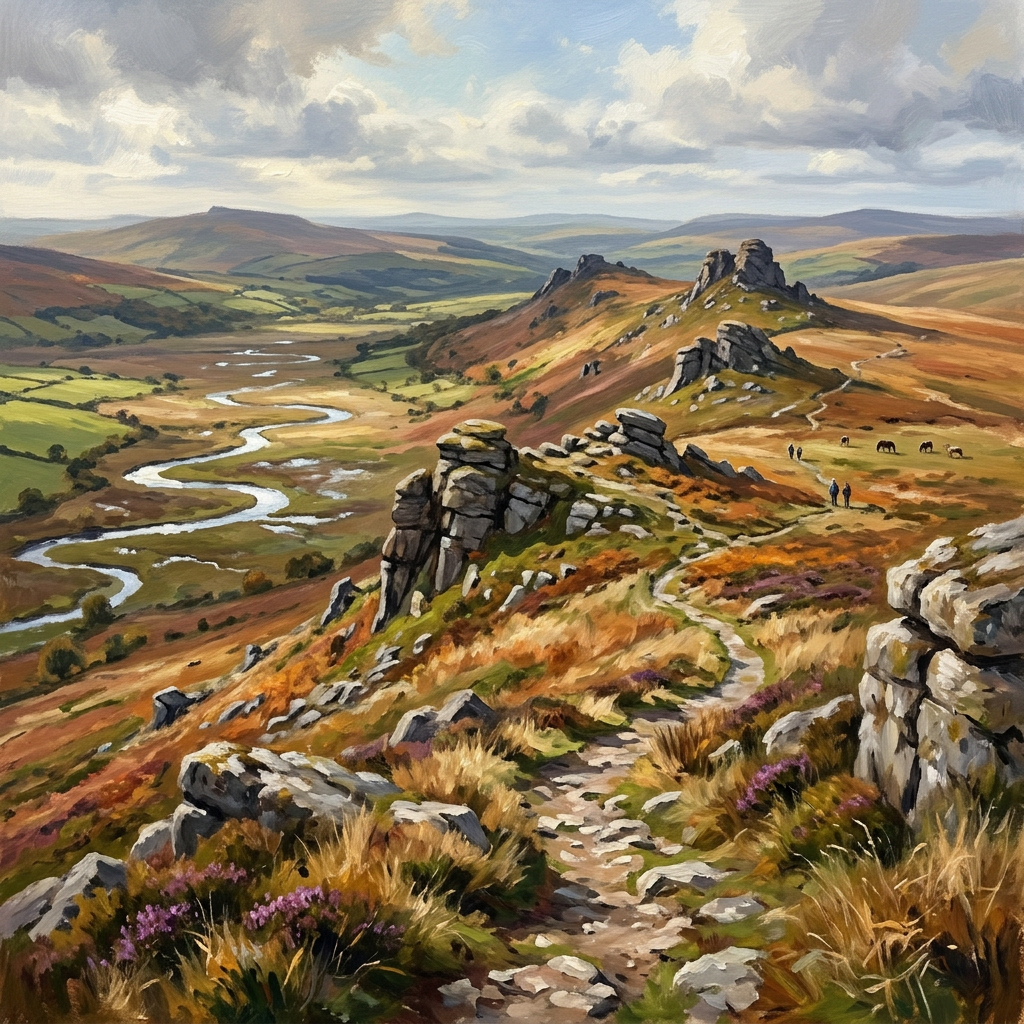
The tors on Dartmoor are weathered granite outcrops, each with a distinct character and a distinct approach. The stone circles on Bodmin are among the best-preserved in Britain. Walking to them on foot, across the moorland paths the Bronze Age communities used, is a fundamentally different experience from driving to a car park.
These routes work as walking routes in their own right — not just archaeology visits — but the ancient landscape is integral to what makes them worthwhile.
Who this page is for
- Walkers with an interest in the ancient landscape who want context alongside exercise
- Anyone who's been to Stonehenge and wants to explore the broader Bronze Age world of the South West
- People who want clear landmarks to navigate between — tors and stone circles are excellent orienteering points
- Families and mixed groups — tor-bagging is a satisfying goal that motivates children and adults equally
76 walks to explore
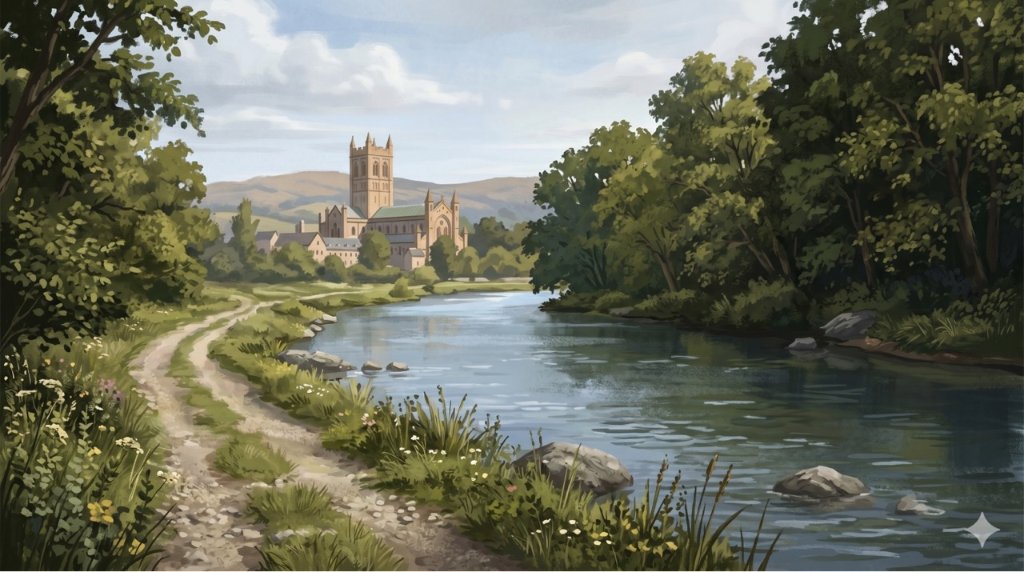
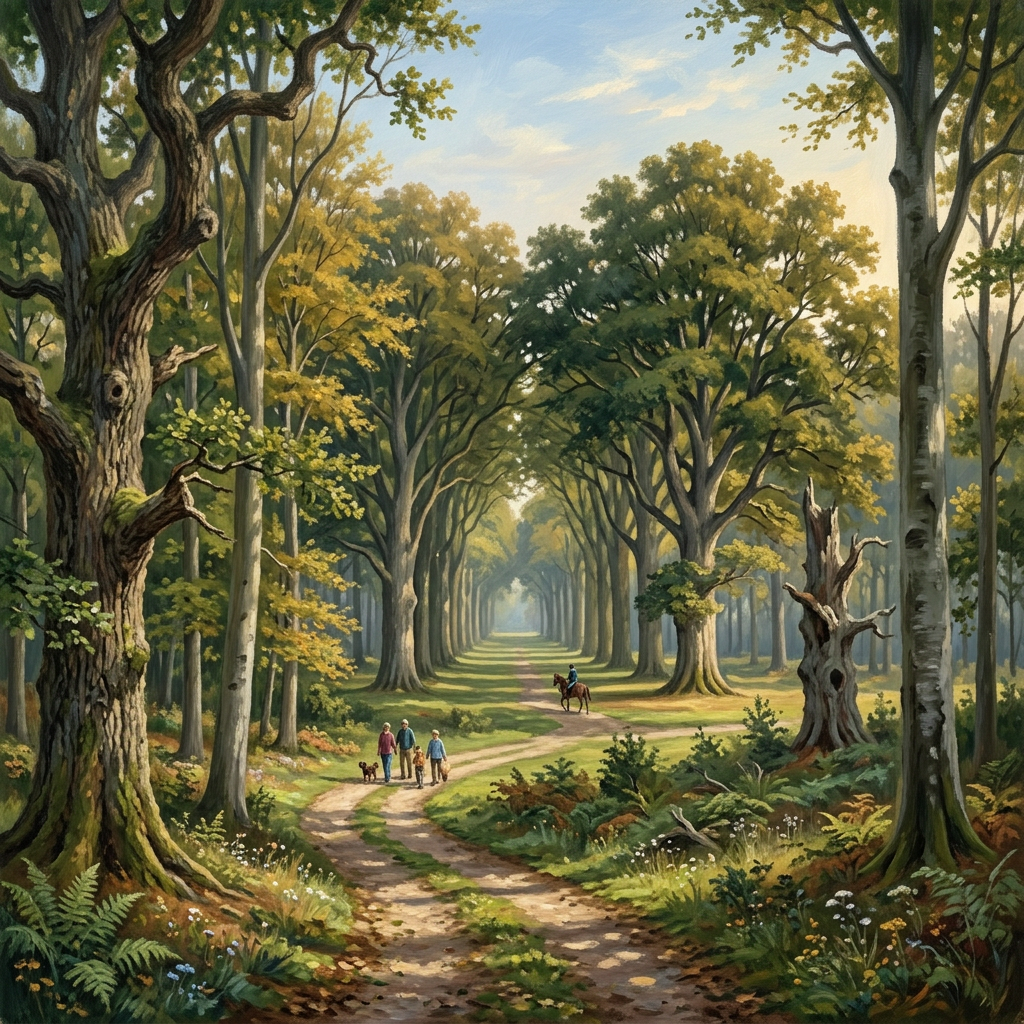








About this area
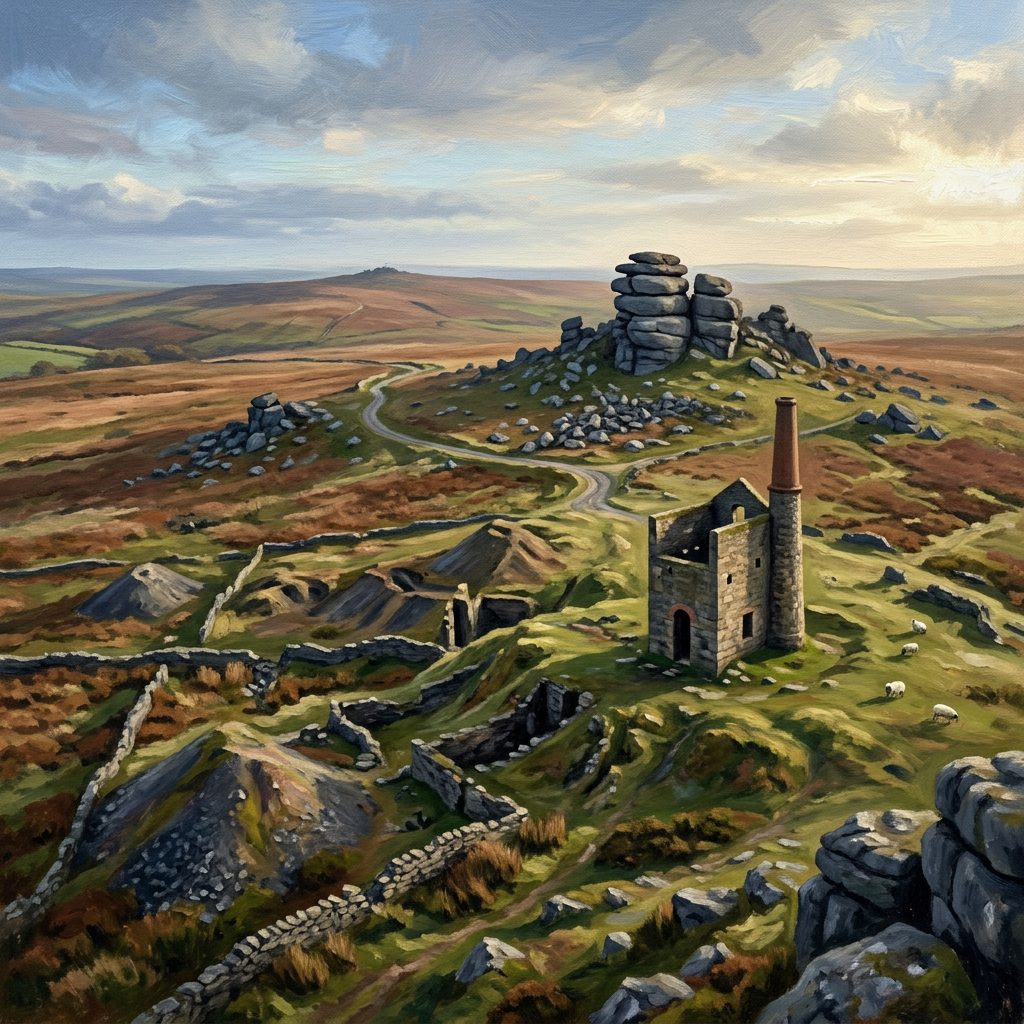
The best tor walking is in the eastern and central parts of Dartmoor — Hay Tor, Hound Tor, Bonehill Rocks and the high plateau tors around Rough Tor. Bodmin Moor's stone circles are concentrated on the southeastern plateau around Minions — The Hurlers, the Cheesewring and the King Doniert stone are all accessible on the same half-day route.
Safety on this terrain
Granite tors look stable but some outcrops have loose rock. Scrambling on tors is an established activity but take care — wet granite is extremely slippery. Keep children supervised near the tops of outcrops.
When to go
Spring (Apr–May)
Excellent walking season. Tors look their best with clear spring light. Ground firm after winter drainage.
Summer (Jun–Aug)
The most popular time. Arrive early at Hay Tor and Hound Tor. The Bodmin stone circle sites are quieter all year.
Autumn (Sep–Oct)
Best light for photography of ancient monuments. Low sun angles emphasise the scale of the stones.
Winter (Nov–Mar)
Atmospheric walking. Frost on the tors and mist around the stone circles gives a quality of landscape that summer can't match.
Plan your visit
Use the interactive map to explore routes, check conditions, and plan your day across all three moors.
Open the map